
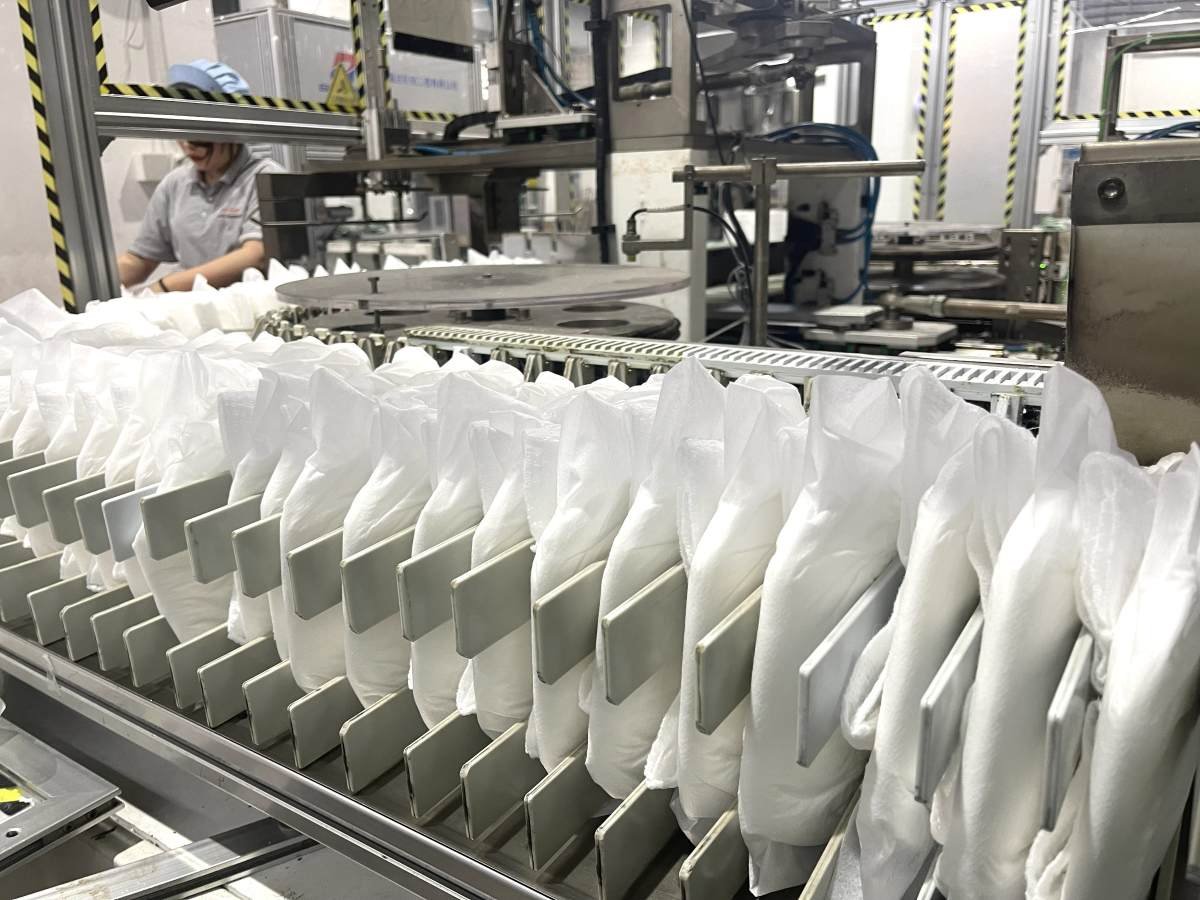
In the hygiene products industry, consistency matters just as much as innovation. For importers, distributors, private label owners, and healthcare brands, a single quality issue can quickly affect customer trust, retailer relationships, and long-term market reputation.
This is why reducing production variance has become a major focus for companies working with OEM diaper manufacturers and hygiene product suppliers. Whether the product is baby diapers, adult diapers, pull-up pants, underpads, or wet wipes, buyers expect every shipment to match approved standards — not only in absorbency, but also in sizing, softness, bonding strength, packaging appearance, and overall performance.
For OEM factories, production variance is not something that can be solved by inspection alone. It requires stable raw materials, disciplined process control, clear communication, and continuous monitoring throughout manufacturing.
At New EcoCare, we work closely with private label partners to improve manufacturing consistency and reduce unnecessary batch-to-batch differences. In this article, we will discuss the common causes of inconsistency and the practical methods OEM partners can use to improve production stability.
Table of Contents
Causes of Inconsistency
Production inconsistency in disposable hygiene products usually comes from several small factors happening at the same time. Even when the final product looks similar from the outside, performance differences may appear during actual use.
Raw Material Fluctuation
One of the most common reasons for production variance is unstable raw materials. Diapers and hygiene products rely on multiple components working together, including:
- SAP (super absorbent polymer)
- Fluff pulp
- Nonwoven fabric
- Elastic materials
- PE film
- Adhesives
- Release tapes and frontal tape systems
If one supplier changes specifications slightly, the final product performance can change as well. For example, SAP with different absorption speed may affect dryness performance, while nonwoven fabric variations may change softness and skin feel.
In OEM manufacturing, maintaining stable supplier relationships is extremely important because low-cost material switching often increases production risk.
Machine Speed and Calibration
High-speed production lines can improve efficiency, but they also increase the importance of machine precision. Small deviations in tension, glue application, embossing pressure, or cutting position can create measurable differences between batches.
For example:
- Uneven SAP distribution may reduce absorbency balance
- Incorrect elastic tension may affect fit and leakage performance
- Poor adhesive control may cause side leakage or weak bonding
Without regular calibration and monitoring, production variance gradually increases over time.
Operator Differences
Even automated factories still depend on experienced operators. Different technicians may handle machine settings differently, especially during startup, shift changes, or specification adjustments.
This is particularly important for OEM diaper manufacturing because different clients often require customized specifications, packaging styles, or absorbency structures. Frequent product switching can increase operational risk if procedures are not standardized.
Incomplete Quality Standards
Some buyers only focus on basic specifications like weight or dimensions. However, real production consistency also includes:
- Absorption distribution
- Rewet performance
- Adhesive strength
- Folding accuracy
- Packaging appearance
- Odor control
- Visual defects
Without clear quality benchmarks, factories and buyers may interpret “acceptable quality” differently.
Process Control Tools
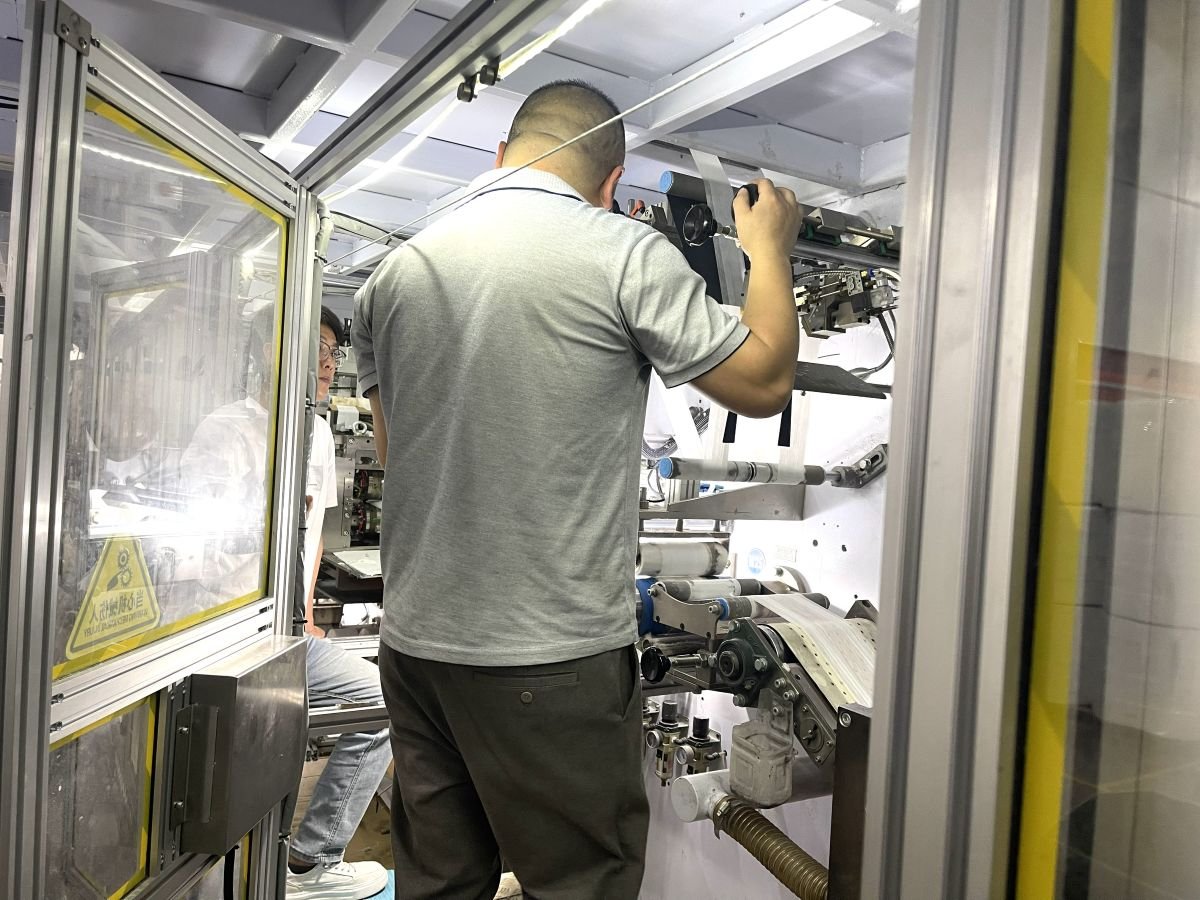
Reducing variance requires more than final inspection. The most effective OEM manufacturers focus on process control throughout production.
Standard Operating Procedures (SOPs)
Clear SOPs help ensure that every operator follows the same production steps. This includes:
- Machine startup procedures
- Material replacement standards
- Tension adjustment ranges
- Glue temperature control
- Sampling frequency
- Packaging inspection methods
When procedures are standardized, production becomes more repeatable and predictable.
For private label diaper manufacturing projects, SOPs are especially important because each brand may have slightly different specifications.
Real-Time Production Monitoring
Modern hygiene factories increasingly use real-time monitoring systems to track production performance during manufacturing.
These systems help detect:
- Weight fluctuation
- Material feeding issues
- Missing components
- Incorrect positioning
- Defective sealing
- Packaging abnormalities
Instead of waiting for finished product inspection, operators can identify problems immediately and reduce large-scale production waste.
At New EcoCare, production monitoring and routine quality tracking are integrated into daily operations to improve manufacturing stability for OEM clients.
Statistical Sampling
Consistent sampling is another important control method. Quality checks should not only happen at the end of production.
Typical in-process checks may include:
- Product weight testing
- Absorbency testing
- Dimension verification
- Bonding strength inspection
- Leakage simulation
- Packaging integrity checks
When factories monitor data continuously, they can identify trends before problems become serious.
Preventive Maintenance
Many production problems are caused by worn machine parts rather than raw materials.
For example:
- Dull cutters may affect product shape
- Worn rollers may change embossing quality
- Aging sensors may reduce positioning accuracy
Preventive maintenance schedules help reduce unexpected downtime and maintain stable product quality.
For OEM buyers evaluating diaper manufacturers in China, maintenance discipline is often a good indicator of long-term manufacturing reliability.
Raw Material Stability
Stable materials are one of the biggest factors behind consistent product quality.
Some OEM factories focus heavily on lowering material costs, but frequent supplier changes can increase quality fluctuation. In contrast, long-term supplier partnerships often improve stability.
Supplier Qualification
Professional OEM manufacturers usually evaluate suppliers based on:
- Material consistency
- Delivery stability
- Technical support capability
- Compliance documentation
- Batch traceability
For hygiene products, stable material performance is often more valuable than small short-term cost reductions.
Incoming Material Inspection
Even qualified suppliers require routine inspection.
Before materials enter production, factories should verify:
- Basis weight
- Absorption performance
- Thickness
- Color consistency
- Tensile strength
- Odor condition
- Packaging integrity
Incoming inspection helps reduce the risk of defective materials entering production lines.
Batch Traceability
Traceability is increasingly important for international private label brands.
If a problem occurs, OEM factories should be able to trace:
- Material batches
- Production dates
- Machine lines
- Operator shifts
- Packaging records
This improves problem-solving speed and helps protect brand reputation.
Many international buyers now request detailed batch records as part of OEM cooperation agreements.
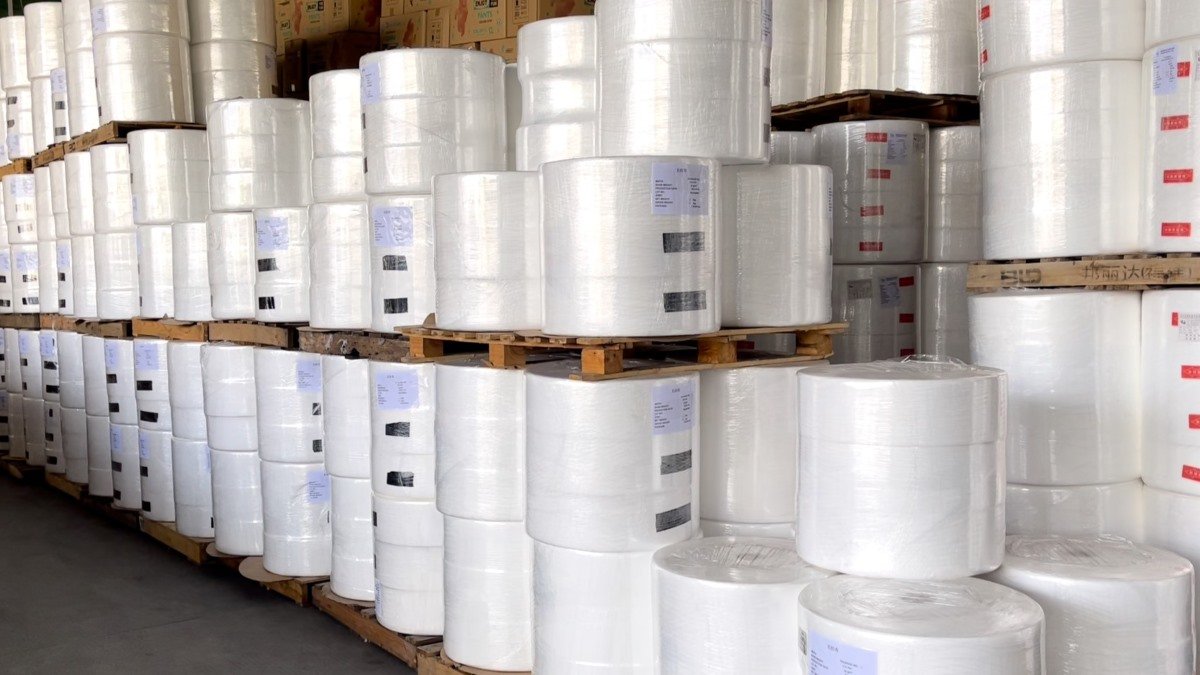
Material Storage Conditions
Even high-quality materials can become unstable if storage conditions are poor.
For example:
- High humidity may affect SAP performance
- Excessive heat may damage elastic materials
- Improper stacking may deform packaging materials
Professional hygiene manufacturers maintain controlled storage systems to protect raw material stability before production begins.
Buyer Communication
One overlooked cause of production variance is poor communication between buyers and OEM factories.
Even experienced manufacturers cannot produce stable results if product requirements are unclear or constantly changing.
Clear Technical Specifications
OEM projects should define:
- Product dimensions
- Core structure
- Absorbency targets
- Material requirements
- Packaging standards
- Labeling details
- Testing methods
Detailed technical sheets help reduce misunderstandings during production.
For buyers sourcing private label diapers from China, detailed specifications are especially important because small interpretation differences can create large production variations later.
Sample Confirmation Process
Approved samples should become the reference standard for future production.
Professional OEM cooperation normally includes:
- Prototype development
- Sample testing
- Buyer feedback
- Revised samples
- Final confirmation
- Mass production approval
Skipping this process often increases production risk.
Realistic Expectations
Some buyers request extremely low pricing while also demanding premium-level performance consistency. However, material selection, production complexity, and inspection frequency all affect manufacturing cost.
A transparent discussion about:
- Product positioning
- Quality priorities
- Market expectations
- Budget limitations
helps create more sustainable OEM partnerships.
Long-Term Cooperation Improves Stability
Factories usually perform better when working with long-term partners because production teams become familiar with product standards and operational requirements.
Long-term OEM cooperation often leads to:
- Better production planning
- More stable material sourcing
- Improved process optimization
- Faster issue resolution
- Lower defect rates
This is one reason many established hygiene brands prefer strategic manufacturing partnerships rather than constantly switching suppliers.
Quick information for Buyers
How can OEM diaper manufacturers reduce production variance?
OEM diaper manufacturers reduce production variance through stable raw material sourcing, standardized operating procedures, real-time production monitoring, preventive machine maintenance, and detailed quality inspection systems.
Why is production consistency important for private label hygiene brands?
Production consistency protects brand reputation, reduces customer complaints, improves retail reliability, and helps maintain stable product performance across different batches.
What causes inconsistency in diaper manufacturing?
Common causes include unstable raw materials, machine calibration issues, operator differences, insufficient process control, and unclear buyer specifications.
What should buyers check when selecting an OEM hygiene products supplier?
Buyers should evaluate process control systems, raw material management, quality inspection procedures, traceability capability, communication efficiency, and long-term production stability.
Why Production Consistency Matters More Than Ever
In today’s market, buyers are no longer comparing products only by price. Retailers, distributors, healthcare suppliers, and online brands increasingly focus on reliability and customer retention.
Inconsistent product quality may lead to:
- Customer complaints
- Retail returns
- Negative online reviews
- Distribution losses
- Brand reputation damage
For disposable hygiene products, consistency directly affects end-user trust.
OEM manufacturers that invest in process discipline, material stability, and communication systems are better positioned to support long-term brand growth for their partners.
At New EcoCare, we understand that stable quality is one of the most important factors for OEM and private label success. From raw material selection to in-process monitoring and shipment inspection, manufacturing consistency remains a key part of our daily operations.
For importers, distributors, and brand owners searching for a reliable OEM hygiene products manufacturer, choosing a factory with strong process control systems can reduce long-term business risk and support sustainable market growth.

 English
  Spanish
  Russian
  Arabic
  German
  French
  Italian
  Portuguese
  Greek
Greek