
Feminine Care Knowledge Center
Practical Insights for Better Feminine Care Product Sourcing
From sanitary pads and panty liners to period panties, developing the right feminine care product requires more than selecting a product type. Materials, absorbency, fit, leakage protection, manufacturing processes, quality control, and customization all influence the final product and its suitability for different markets.
The New EcoCare Feminine Care Knowledge Center brings together practical resources for brand owners, importers, distributors, wholesalers, and procurement professionals. Explore how feminine care products are structured, manufactured, tested, and customized, and learn what to consider when developing your own OEM or private label product range.
In This Guide
Feminine Care Overview
Understanding Feminine Care Products for Different Markets
The feminine care market includes a range of products designed for different stages, preferences, and everyday needs. Sanitary pads, panty liners, and period panties each have their own product characteristics, usage scenarios, and development considerations.
For B2B buyers, sourcing feminine care products involves more than choosing a product category. Product structure, material selection, absorbency, leakage protection, fit, comfort, packaging, quality control, and manufacturing consistency can all influence the final product and its suitability for a target market.
For brands, importers, distributors, wholesalers, and procurement teams, understanding these factors can make product development and supplier evaluation more effective. A clear product specification also helps manufacturers better understand the requirements before sampling and production begin.
As an OEM and private label hygiene product manufacturer, New EcoCare works with international customers to develop customized feminine care products according to their product and market requirements. This Knowledge Center brings together practical information about feminine care products, materials, manufacturing, quality control, customization, and OEM sourcing.
Who Is This Knowledge Center For?
- Feminine Care Brand Owners
- Private Label Buyers
- Importers & Distributors
- Retail Chains
- Procurement Managers
- E-commerce Brands
- Healthcare & Hygiene Wholesalers
- Startup Feminine Care Brands
What You'll Learn in This Guide
Instead of searching through separate resources for each topic, this Knowledge Center brings the key areas of feminine care product development together in one structured guide.
You’ll learn about different feminine care product types, product structure and materials, absorbency and leakage protection, fit and comfort, manufacturing processes, quality control, OEM and private label development, customization, packaging, and supplier selection.
Throughout the guide, you’ll also find links to relevant product pages and technical resources, allowing you to explore specific topics in greater detail when you need them. Whether you are sourcing an established product or developing a new private label range, the goal is to help you better understand the factors that matter before moving from product selection to sampling and production.
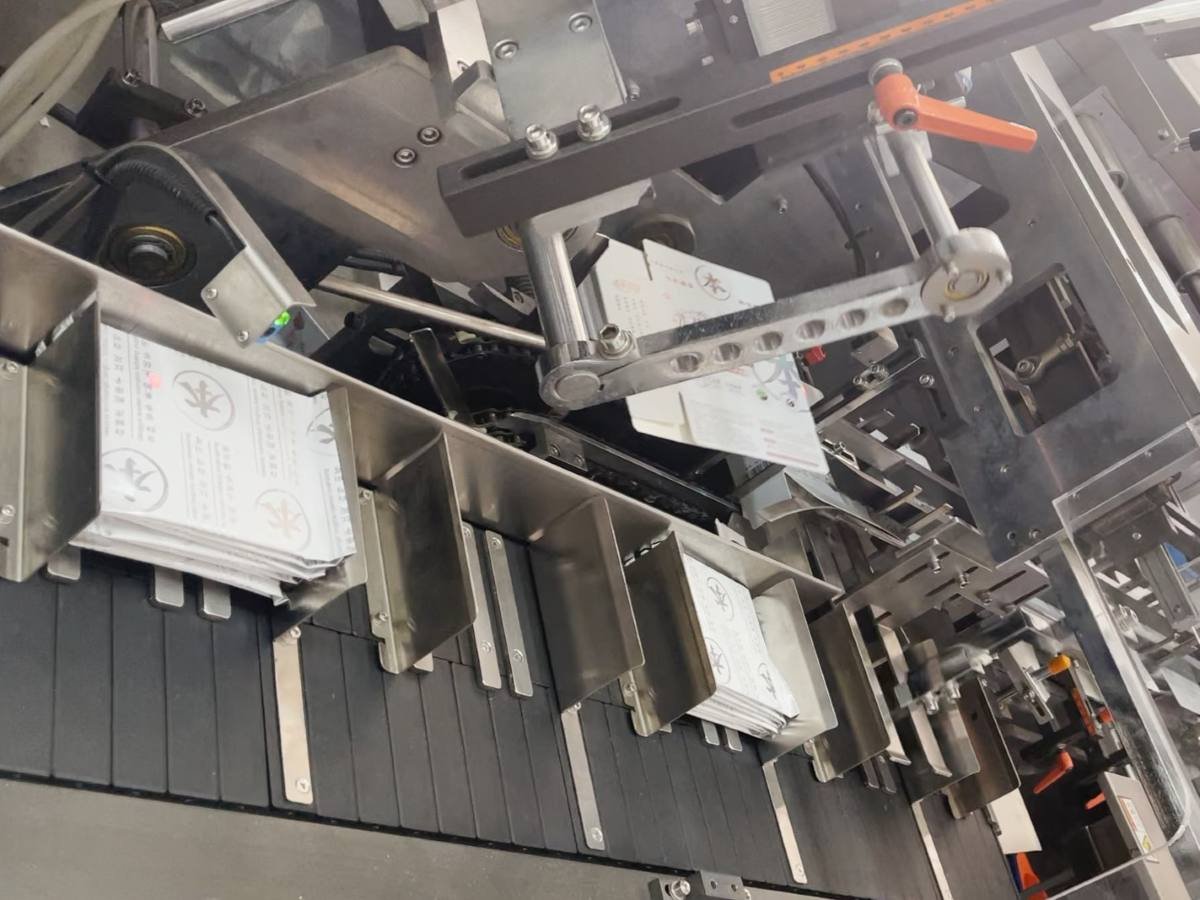
Explore Feminine Care Product Types
Understanding the differences between feminine care products is an important first step in product development. Explore sanitary pads, panty liners, and period panties to see how different product types can serve different market needs.
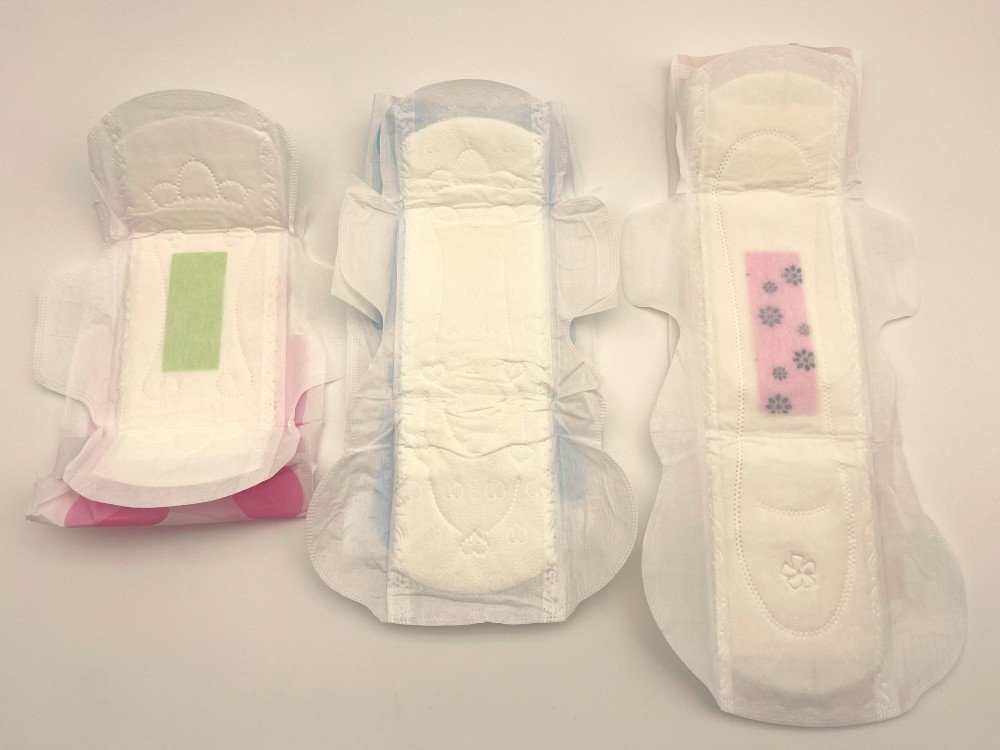
Sanitary Pads & Panty Liners
Everyday Feminine Hygiene Solutions for Different Market Needs
Baby diapers remain one of the most important categories in the global hygiene market, with growing demand for products that combine superior absorbency, skin-friendly materials, comfortable fit, and sustainable design. As consumer expectations continue to rise, brand owners are increasingly seeking experienced OEM manufacturing partners capable of delivering consistent quality, flexible customization, and reliable production capacity.
At New EcoCare, we specialize in manufacturing private label baby diapers for distributors, importers, retailers, wholesalers, supermarkets, and baby care brands worldwide. Our production capabilities cover a wide range of diaper solutions, from economical everyday diapers to premium ultra-thin designs and organic bamboo baby diapers.
Every market has different requirements. Some customers prioritize maximum absorbency for overnight protection, while others focus on ultra-soft materials, eco-friendly components, or competitive pricing. Our engineering and product development teams work closely with each customer to customize diaper structure, core technology, sizing, packaging, and branding according to local market preferences.
With modern automated production lines, strict quality management systems, and carefully selected raw materials, New EcoCare helps customers develop baby diaper products that combine reliable performance with long-term supply stability.
What Can Be Customized?
- Pad & Liner Several Sizes for Option
- Day, Night & Heavy Absorbency
- Absorbent Core Structure
- Topsheet Material
- Backsheet & Breathability
- Wings & Embossing
- Individual & Retail Packaging
- العلامة التجارية الخاصة

Flexible Product Options
Sanitary pads and panty liners can be developed in different specifications to match daily, overnight, lighter-flow, or specific market requirements.
Reliable Leakage Protection
Core structure, absorbency, wings, channels, and anti-leak barriers can be considered together to support reliable protection and product performance.
Comfortable Material Selection
Soft topsheet materials, breathable backsheet options, and suitable product structures can be selected according to the intended product positioning and comfort requirements.
Flexible OEM Solutions
From product specifications and materials to packaging and private label branding, New EcoCare supports customized feminine care products for different B2B markets.
Explore Our Sanitary Pad & Panty Liner Solutions
New EcoCare currently offers several sanitary pad products for different product positioning and OEM requirements. Panty liners can also be considered as part of a broader feminine hygiene range according to your target market and product specifications.
Sanitary Napkins OEM Supplier
A private label sanitary napkin solution supporting different sizes, absorbency levels, materials, core structures, and packaging formats for global B2B buyers.
Learn More About Sanitary Pads & Panty Liners
The resources below can help buyers better understand sanitary pad sourcing, private label manufacturing, product customization, and broader feminine care product development.
How to Choose the Right Sanitary Napkin Private Label Partner for Long-Term Brand Growth
Learn what B2B buyers should consider when evaluating a sanitary napkin private label manufacturer, including product specifications, quality control, customization, supply stability, and long-term cooperation.
Explore Period Panties
Period panties offer a different approach to menstrual protection, combining underwear-style construction with absorbent materials and leak protection. Explore how period panties are designed, customized, and manufactured for different market needs.
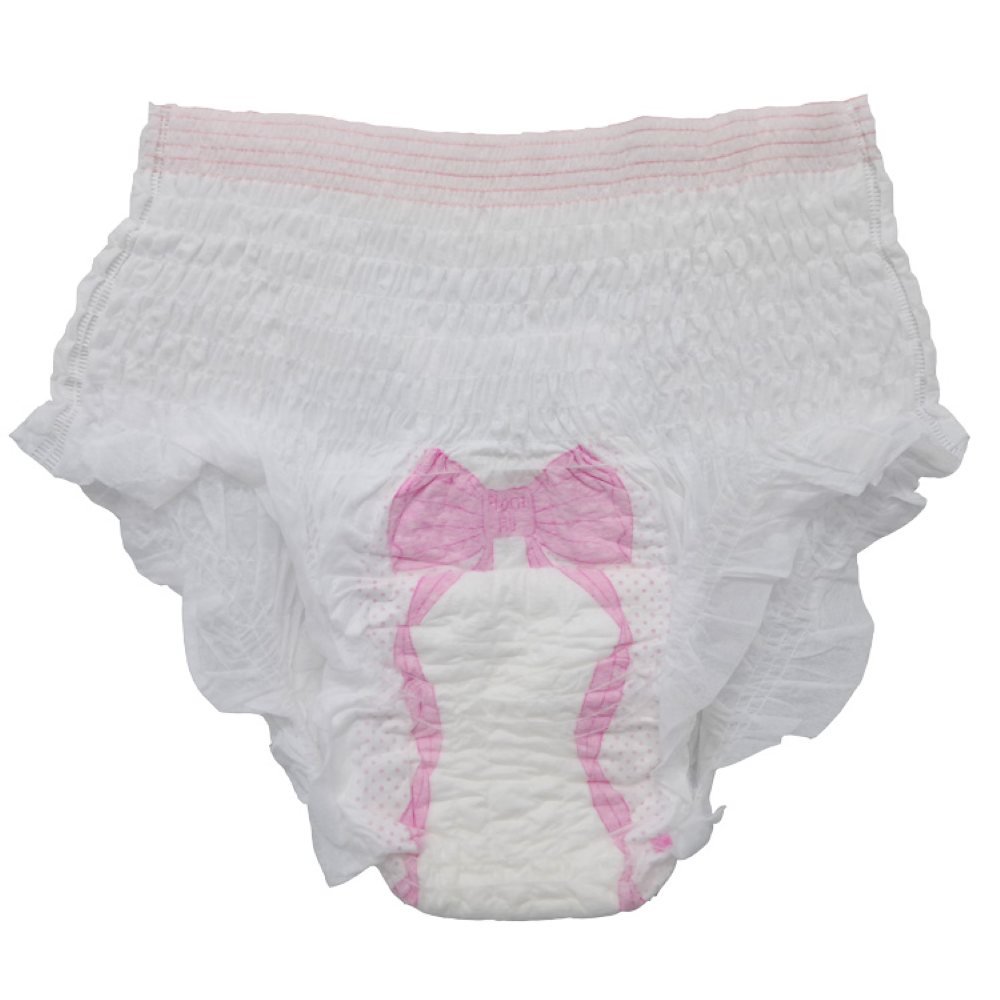
ملاءمة مريحة
Soft non-woven materials, elastic waistbands, and suitable leg openings help create a secure fit while supporting everyday wearing comfort.
Flexible OEM Manufacturing
Brands can customize key product specifications, packaging, and private label elements to develop disposable period panties for their target market.
Reliable Absorbency
An absorbent core is integrated into the panty structure to help manage menstrual flow and provide protection without requiring a separate sanitary pad.
الحماية من التسرب
A leak-resistant barrier and suitable absorbent structure help reduce the risk of leakage during daily activities, overnight use, and other situations where additional protection is needed.
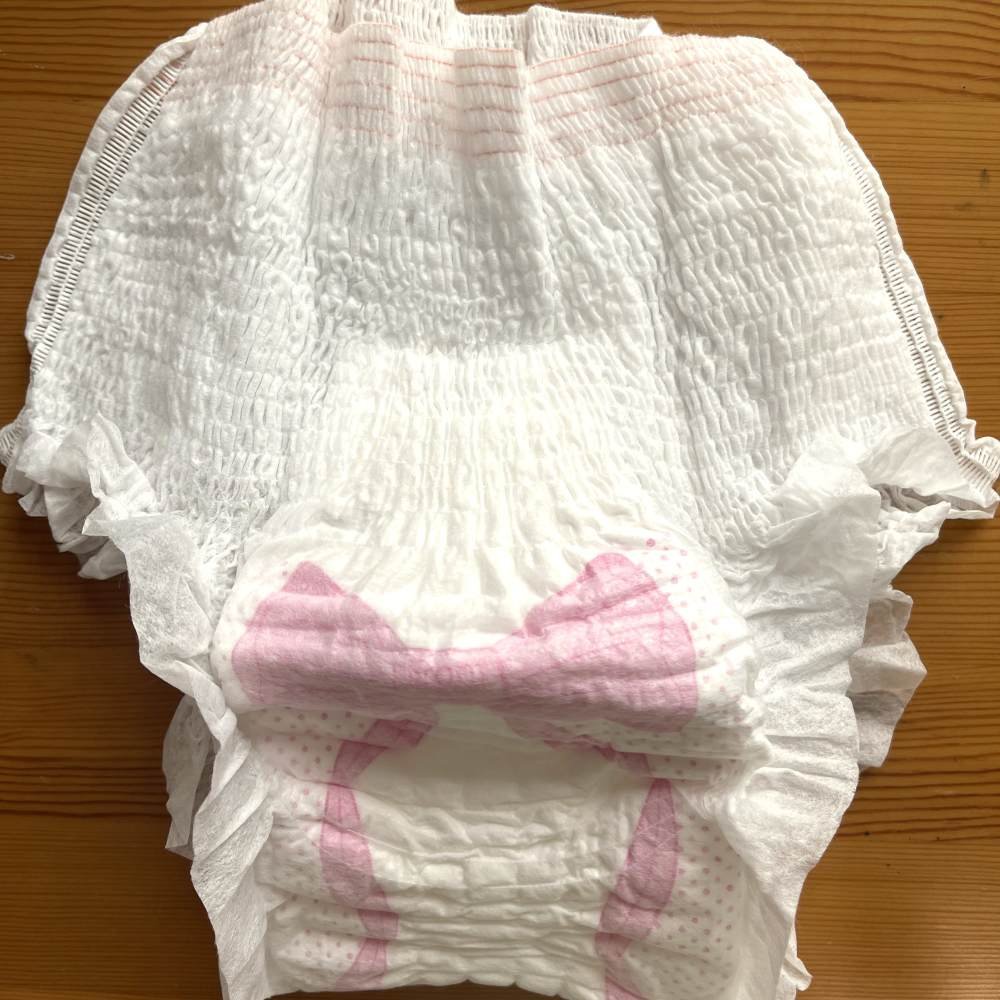
Period Panties
Disposable Menstrual Underwear for Comfortable and Reliable Protection
Period panties provide an underwear-style alternative to traditional sanitary pads, combining a wearable panty design with an absorbent core and leakage protection. Disposable period panties can be especially useful for overnight use, travel, postpartum care, and situations where convenience and easy disposal are important.
For B2B buyers, developing a reliable period panty requires more than choosing a basic underwear shape. Material selection, absorbent core structure, waist and leg fit, leakage protection, sizing, packaging, and product performance all need to work together.
New EcoCare manufactures disposable non-woven period panties for brands, importers, distributors, wholesalers, and other hygiene product buyers. The product can be developed for different market requirements, including size, absorbency, packaging, and private label branding.
Whether you are adding period panties to an existing feminine care range or developing a dedicated menstrual product line, understanding the product structure and customization options can help you communicate your requirements more clearly with your OEM manufacturer.
OEM Customization Options
- Product Size & Dimensions
- Absorbency Performance
- Absorbent Core Structure
- Topsheet & Backsheet Materials
- تصميم حزام الخصر
- Product Color & Printed Graphics
- تصميم العبوات
- العلامة التجارية الخاصة
Explore Our Period Panty Solution
New EcoCare offers disposable period panties designed with an absorbent core, breathable non-woven materials, elastic construction, and leakage protection. The product can be customized for different market requirements and private label applications.
Menstrual Diaper Pants
A disposable menstrual panty solution combining a soft non-woven topsheet, breathable backsheet, ultra-thin composite absorbent core, elastic waistband, and leak-resistant barrier. Available in different sizes and designed for applications such as overnight use, travel, and menstrual protection.
Recommended Reading for Period Panty Buyers
Explore these resources to better understand disposable period panties, OEM manufacturing, product customization, and the considerations involved in developing a feminine care product line.
شركة تصنيع سراويل الدورة الشهرية النسائية - اختيار الشريك المناسب لنجاح B2B
Learn what B2B buyers should consider when evaluating a disposable period panty manufacturer, including materials, customization, production capabilities, quality control, and OEM support.
ما هي سراويل الدورة الشهرية؟ دليل شامل للعناية الثورية بالدورة الشهرية
Understand what period panties are, how they work, and how this menstrual care product differs from traditional feminine hygiene products.
Understand Feminine Care Product Structure & Materials
The performance of a feminine care product depends heavily on how its materials and components work together. Next, explore the key materials and structural elements used in sanitary pads, panty liners, and period panties.
Product Structure & Materials
Choosing the Right Materials for Better Feminine Care Products
The performance of a feminine care product begins with its materials and overall structure. From the topsheet and absorbent core to the backsheet, leakage barriers, and elastic components, each part plays a different role in comfort, absorbency, fit, and protection.
For B2B buyers, understanding these components makes it easier to compare different product specifications and communicate clear requirements to an OEM manufacturer. Material selection can also influence product thickness, softness, absorbency, breathability, production cost, and the overall positioning of a product.
Sanitary pads, panty liners, and period panties do not use exactly the same product structure. Their materials and component combinations need to be selected according to the intended use, absorbency requirements, product format, and target market.
New EcoCare works with customers to develop feminine care products based on their required specifications and market positioning. By considering materials and product structure together, brands can create products that balance performance, comfort, manufacturing requirements, and cost.
Carefully Selected Materials
Different materials contribute to softness, absorbency, breathability, leakage protection, and overall product performance.
Functional Product Structure
The topsheet, absorbent core, backsheet, and protective layers work together to create the finished feminine care product.
Performance & Comfort
Material combinations can influence surface dryness, liquid absorption, flexibility, breathability, and wearing comfort.
Flexible Material Selection
OEM buyers can discuss different material and structure options according to product positioning, performance requirements, and target market needs.

Key Materials Used in Feminine Care Products
- Soft Nonwoven Topsheet
- Absorbent Core Materials
- بوليمر فائق الامتصاص (SAP)
- Fluff Pulp
- Breathable Backsheet
- حاجز مقاوم للتسرب
- Elastic Materials
- Hot Melt Adhesives
Key Material Highlights
Understanding the role of each component helps buyers evaluate feminine care products more effectively and communicate their requirements during OEM product development.
Soft Nonwoven Topsheet
The topsheet is the skin-contact layer of many feminine care products. Its softness, surface structure, and liquid-transfer characteristics can influence comfort and how quickly liquid moves into the absorbent core.
الجزء الداخلي الماص
The absorbent core captures and retains menstrual fluid. Depending on the product structure and required performance, it can combine materials such as fluff pulp and SAP to support different absorbency requirements.
Breathable Backsheet
The backsheet helps prevent liquid from passing through the product while supporting breathability and overall product comfort. Different backsheet structures can be considered according to the product design and market requirements.
حاجز مقاوم للتسرب
Leak-resistant barriers help contain liquid within the absorbent area and support protection around the sides and other areas of the product where leakage may occur.
Understand Feminine Care Materials & Product Performance
Continue exploring these resources to better understand feminine care product development, material selection, OEM manufacturing, and the factors that influence product performance.
سراويل الحيض الداخلية: بديل مريح وصديق للبيئة
Explore menstrual panties as an alternative feminine care product and consider factors such as comfort, product design, and sustainability when developing a new product range.
How to Choose the Right Sanitary Napkin Private Label Partner for Long-Term Brand Growth
Explore the key factors B2B buyers should consider when evaluating a sanitary napkin private label partner, including product specifications, materials, quality control, packaging, and long-term manufacturing support.
Explore Absorbency & Leakage Protection
Materials provide the foundation, but product performance also depends on how the absorbent core, liquid distribution, and leakage protection work together. Next, explore the key factors that influence absorbency and leakage protection in feminine care products.
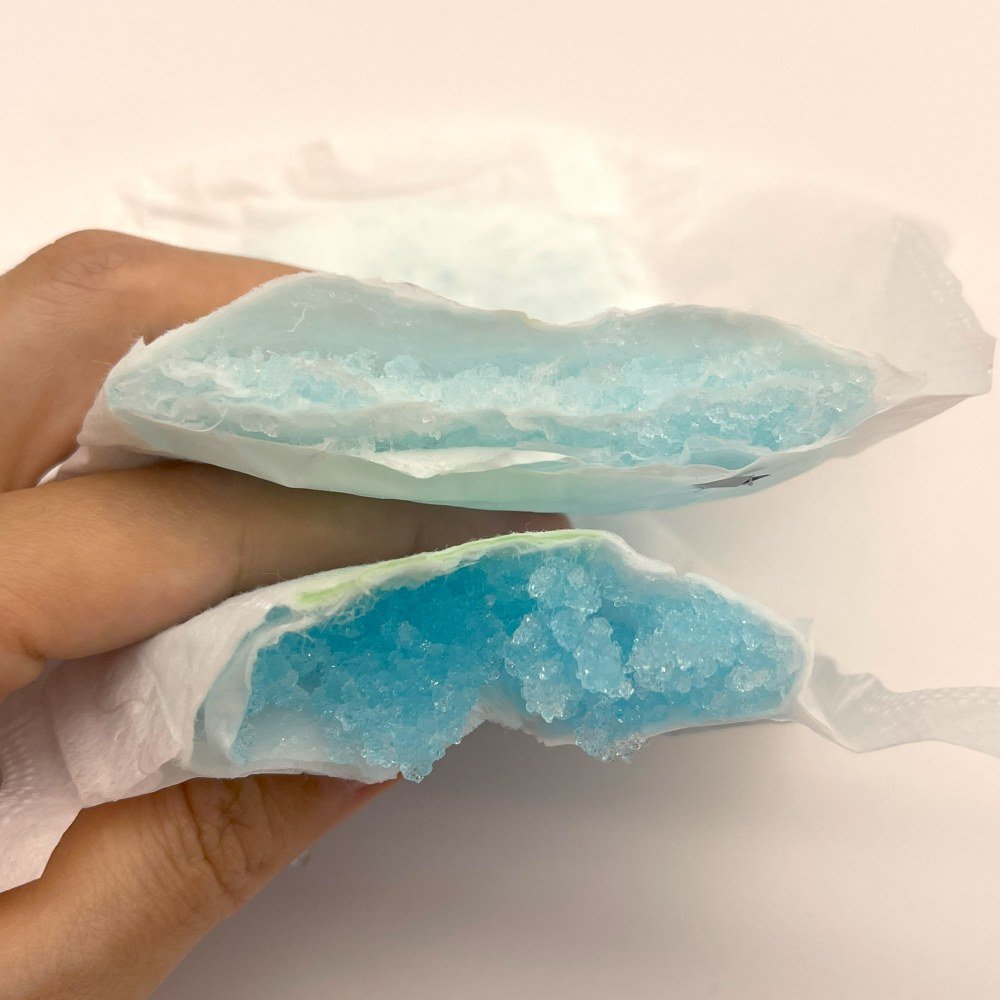
Efficient Liquid Absorption
The absorbent core needs to receive and retain liquid efficiently to support the required level of protection for the intended product application.
Reliable Leakage Protection
Leakage protection depends on the interaction between the absorbent core, side barriers, backsheet, product shape, and overall construction.
Effective Liquid Distribution
Absorption is not only about capacity. Liquid distribution within the absorbent structure can help make better use of the available absorbent area and reduce localized saturation.
Performance for Different Uses
Day-use pads, overnight products, panty liners, and period panties can require different absorbency and protection configurations according to their intended use.
Absorbency & Leakage Protection
Understanding What Drives Feminine Care Product Performance
Absorbency and leakage protection are two of the most important performance considerations when developing sanitary pads, panty liners, and period panties. However, overall protection does not depend on absorbent capacity alone. The way liquid is received, distributed, absorbed, and contained within the product also affects performance.
For B2B buyers, it is important to evaluate the complete product structure rather than focusing on a single specification. Core composition, absorbent materials, product thickness, liquid distribution, side protection, backsheet construction, and product shape can all influence how a product performs under different usage conditions.
Different feminine care products also have different performance requirements. A panty liner designed for light daily protection does not need the same absorbency configuration as an overnight sanitary pad or a disposable period panty designed for menstrual protection.
New EcoCare works with customers to develop feminine care products according to their required absorbency levels, product structures, sizes, materials, and market positioning. Performance requirements can be discussed during product development and adjusted according to the intended application and target market.
What Can Affect Absorbency & Leakage Protection?
- Absorbent Core Structure
- SAP & Fluff Pulp Ratio
- Product Absorbency Level
- Liquid Distribution
- Core Thickness & Product Profile
- Side Leakage Protection
- Backsheet & Barrier Structure
- Product Shape & Fit
Key Performance Factors
A well-designed feminine care product balances absorbency, leakage protection, comfort, thickness, and fit rather than maximizing one specification alone.
Absorbent Core Design
The absorbent core is one of the main components responsible for receiving and retaining menstrual fluid. Core composition and structure can be adjusted according to the required absorbency level and product format.
Product Fit & Structure
Even a highly absorbent product can perform poorly if its shape or fit does not suit the intended use. Product dimensions and structural design therefore need to be considered alongside absorbency requirements.
مستوى الامتصاص
Different products can be developed for different levels of menstrual flow and usage conditions. Buyers should define the intended use before selecting the appropriate absorbency specification.
الحماية من التسرب
Leakage protection can involve side barriers, product shape, backsheet construction, and other structural elements working together with the absorbent core.
Understand Feminine Care Product Performance
Explore these resources to better understand absorbency, product structure, leakage protection, and the technical considerations involved in developing feminine care products.
الشركة العالمية المصنعة للمناديل الصحية وسراويل الحيض المصنعة للمعدات الأصلية
Explore how sanitary pads and menstrual pants can be customized in terms of size, materials, core structure, absorbency, and packaging for different markets.
Improve Fit, Comfort & Product Design
Absorbency and leakage protection are only part of the product experience. The next step is to consider how size, shape, materials, flexibility, and overall design influence comfort and fit across different feminine care products.
Fit, Comfort & Product Design
Designing Feminine Care Products Around Comfort and Fit
A feminine care product needs to provide protection while remaining comfortable during everyday use. Size, shape, flexibility, surface softness, product thickness, and the way the product stays in place can all influence the overall wearing experience.
For B2B buyers, product design should be considered together with the intended use and target market. A thin panty liner, an overnight sanitary pad, and a disposable period panty have different structural requirements and cannot be evaluated using exactly the same design criteria.
Fit is also closely connected with leakage protection. A product that does not match the intended body shape or usage conditions may move out of position during daily activity, even when its absorbent structure has been properly designed.
New EcoCare works with customers to develop feminine care products around different sizes, shapes, materials, absorbency requirements, and packaging needs. The goal is to create a practical balance between protection, comfort, product performance, manufacturing feasibility, and market positioning.
What Can Be Customized?
- Product Size & Dimensions
- Pad Shape & Profile
- Wing & Side Protection Design
- Topsheet Softness
- Product Thickness
- Elastic Waistband & Leg Design
- Embossing & Surface Pattern
- تصميم العبوات والعلامات الخاصة
Key Design Considerations
Good feminine care product design is not simply about making a product thinner or more absorbent. The overall structure needs to match the intended use, wearing conditions, and expectations of the target market.
Size & Dimensions
Product dimensions should be selected according to the product type, intended use, absorbency requirements, and target market. Different sizes may be appropriate for different product applications.
Shape & Product Profile
The shape and profile of a sanitary pad or panty liner influence how the product sits and interacts with underwear. Product shape can also be adjusted alongside absorbency and leakage protection requirements.
Softness & Surface Comfort
The topsheet is the primary skin-contact layer in many feminine care products. Its material and surface structure can influence softness, liquid transfer, and overall comfort.
Flexibility & Movement
Products need to accommodate normal body movement without compromising protection. Flexible materials, suitable dimensions, and appropriate structural design can all contribute to a better fit during use.
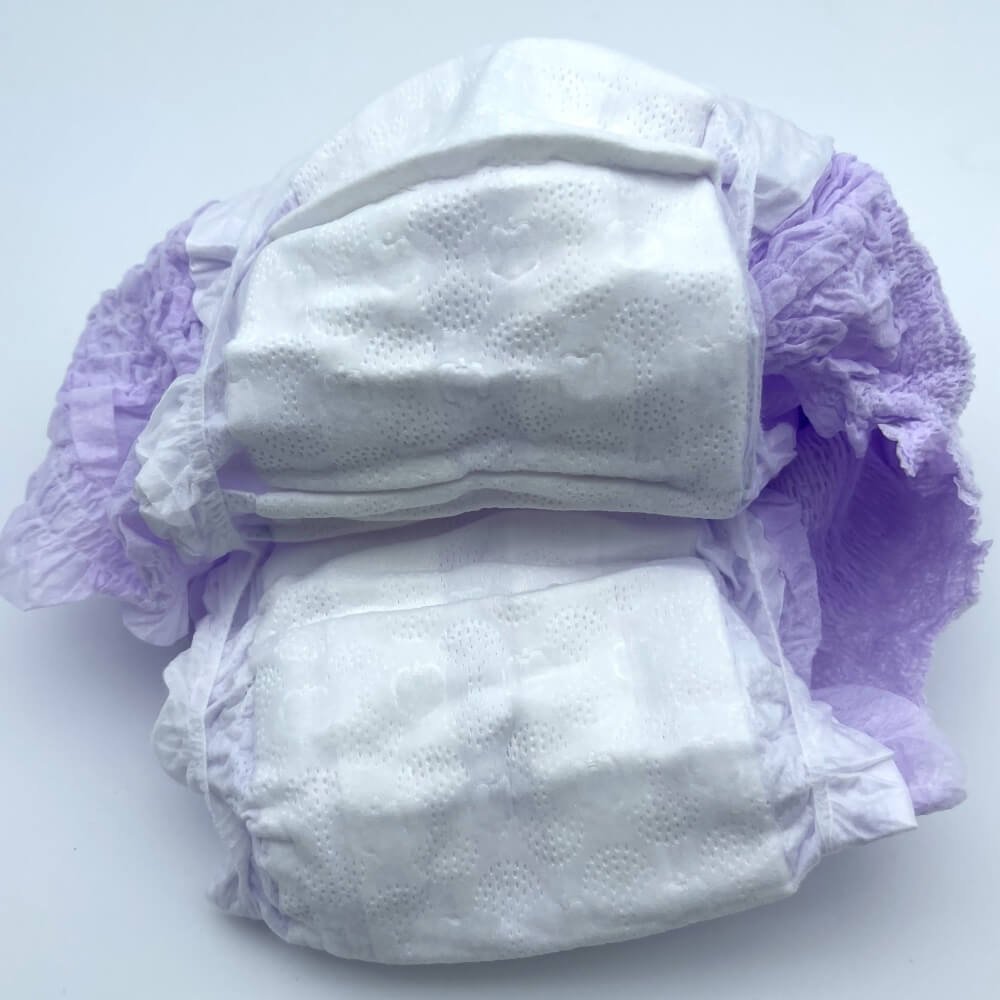
Comfortable Materials
Soft topsheet materials and suitable surface structures can help improve the wearing experience, particularly for products designed for regular or extended use.
Flexible OEM Development
Brands can discuss product dimensions, materials, structure, packaging, and other design requirements with their OEM manufacturer to create products suited to their target market.
Secure Product Fit
Product dimensions, shape, wings, elastic components, and overall construction can work together to help the product remain properly positioned during use.
Practical Product Design
Thickness, flexibility, absorbency, and protection should be balanced according to the intended product type rather than optimized independently.
Understand Feminine Care Product Design
Explore these resources to learn more about feminine care product development, OEM manufacturing, and the factors buyers should consider when evaluating different product designs.
شركة تصنيع سراويل الدورة الشهرية النسائية - اختيار الشريك المناسب لنجاح B2B
Learn what B2B buyers should consider when evaluating a period panties manufacturer, including product development, customization, manufacturing capabilities, and quality control.
Explore Feminine Care Manufacturing
Once product requirements and design specifications are confirmed, the next step is understanding how feminine care products move from material preparation and forming to assembly, inspection, packaging, and shipment.
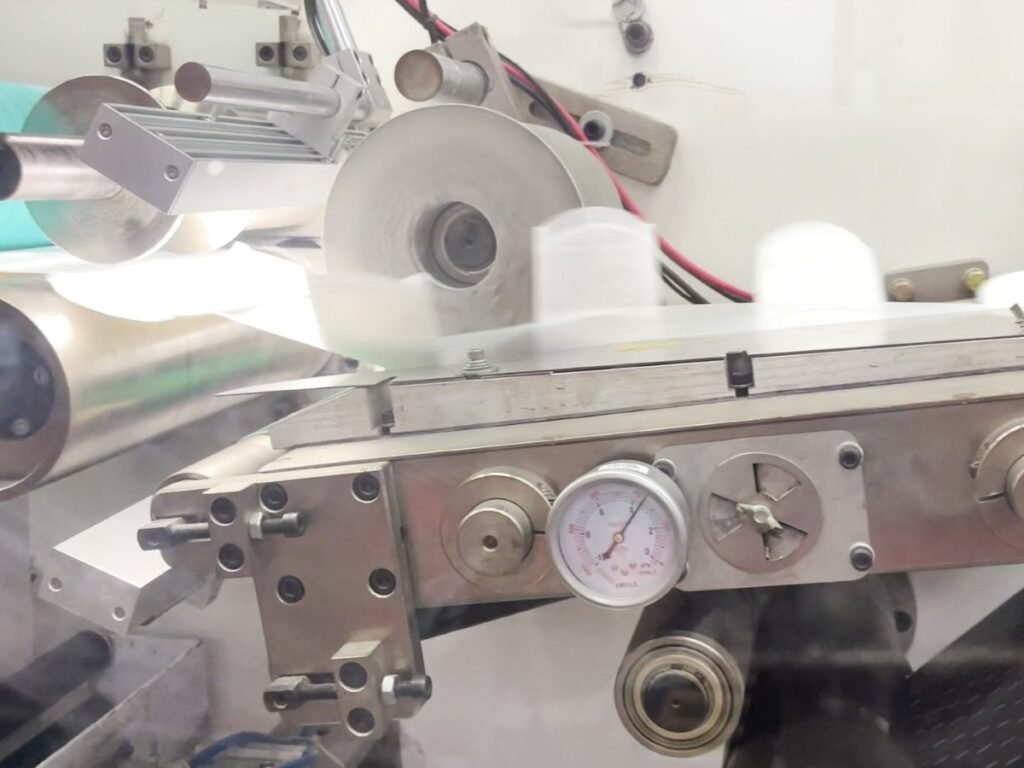
Controlled Material Handling
Incoming materials need to be checked and prepared before entering production to help maintain consistent product specifications.
Consistent Product Forming
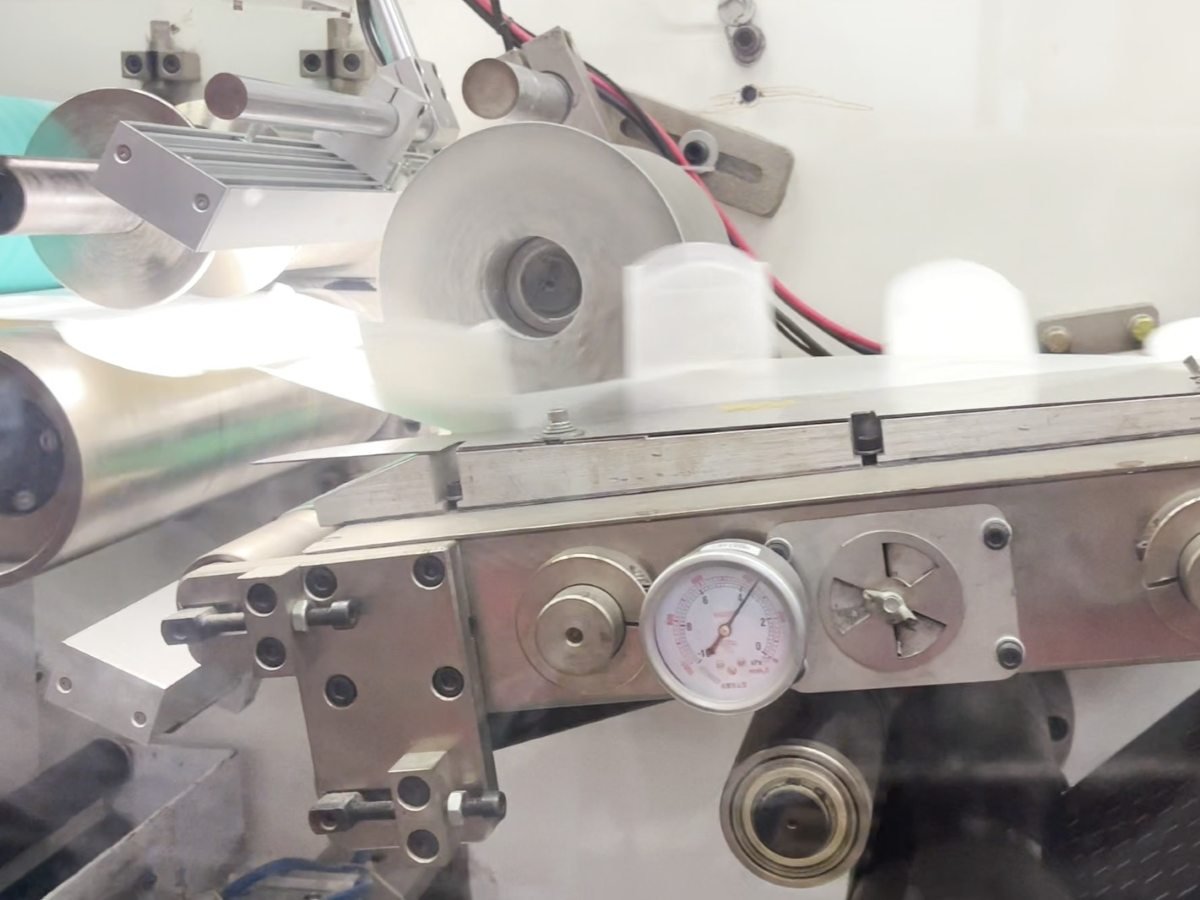
Production equipment forms and assembles the different layers and components according to the specified product structure.
In-Process Quality Control
Quality checks during production help identify dimensional, material, appearance, and structural issues before products move to final packaging.
Organized Packaging & Shipment
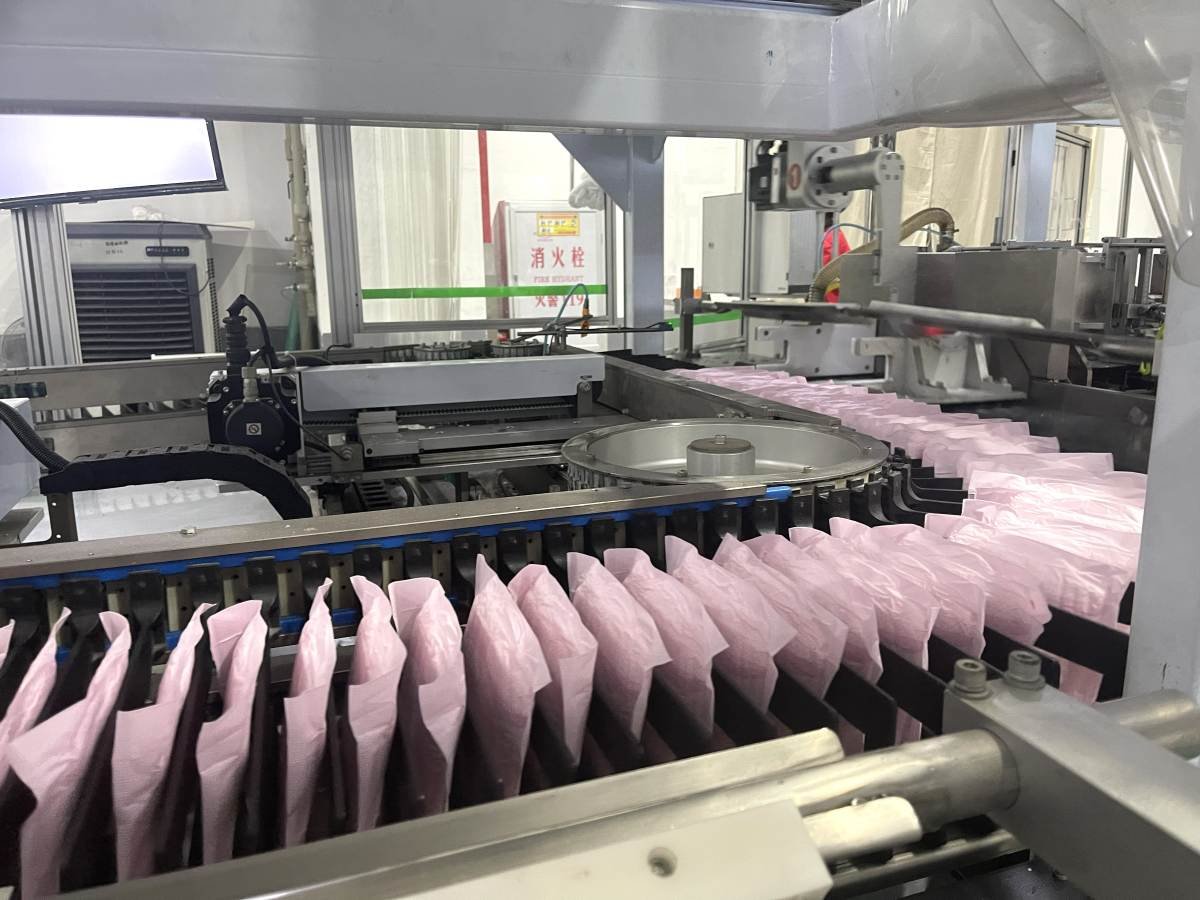
Finished products are inspected, packed according to the agreed packaging specifications, checked for quantity, and prepared for shipment.
عملية التصنيع
From Material Preparation to Finished Feminine Care Products
Consistent feminine care products depend on a controlled manufacturing process. From incoming material inspection and preparation to forming, assembly, quality checks, packaging, and shipment, each stage contributes to the consistency of the finished product.
For B2B buyers, understanding the manufacturing process can make it easier to evaluate a potential OEM partner. A capable manufacturer should have clear production procedures, appropriate equipment, quality control checkpoints, and experienced personnel throughout the production process.
The exact process varies according to the product type. Sanitary pads, panty liners, and disposable period panties have different structures and production requirements, but all require careful control of materials, forming, assembly, inspection, and packaging.
New EcoCare supports OEM and private label feminine care manufacturing from product specification confirmation through production and final shipment. Our team can coordinate product requirements, packaging, production scheduling, quality control, quantity checking, and shipping arrangements throughout the project.
Key Steps in Feminine Care Manufacturing
- Raw Material Inspection
- Material Preparation
- Product Forming
- Core & Component Assembly
- Embossing & Structural Forming
- Product Inspection
- Packaging & Quantity Checking
- Final Quality Control & Shipment
Manufacturing Highlights
A reliable OEM manufacturing process requires coordination between materials, production equipment, operators, quality control, packaging, and logistics.
تحضير المواد الخام
Materials are inspected and prepared according to the product specifications before production begins. This helps ensure that the required components are available and suitable for the production schedule.
Product Forming & Assembly
The selected materials are processed and assembled into the specified product structure. Depending on the product type, this can include absorbent core forming, layer assembly, embossing, cutting, shaping, and other production steps.
In-Process Inspection
Quality checks are carried out during production to monitor product appearance, dimensions, structure, and other agreed specifications. Identifying issues during production helps reduce the risk of inconsistent finished products.
Packaging & Final Inspection
After production, finished products are checked and prepared for packaging. Packaging, quantity, product specifications, and other agreed requirements are reviewed before the goods are arranged for shipment.
Explore Feminine Care Quality Control & Testing
Consistent production is only one part of a successful OEM project. Next, explore the quality control and testing considerations that help manufacturers monitor materials, product performance, appearance, packaging, and finished goods.
Quality Control & Testing
Maintaining Consistent Quality from Raw Materials to Finished Products
Quality control is an important part of feminine care manufacturing because product performance depends on many factors, including material quality, product structure, absorbency, dimensions, leakage protection, and packaging.
For sanitary pads, panty liners, and period panties, quality requirements should be defined before production begins. Raw materials, product specifications, production parameters, and finished products all need to be checked against the agreed requirements.
At New EcoCare, quality control is integrated throughout the manufacturing process rather than being limited to the final inspection. Incoming materials are checked before production, products are monitored during manufacturing, and finished goods are inspected before shipment.
For OEM and private label buyers, a clear quality control process also makes it easier to confirm product specifications, evaluate samples, identify potential issues, and maintain consistency between production batches.
Key Quality Checks for Feminine Care Products
- Raw Material Inspection
- Material & Component Verification
- Production Process Monitoring
- Product Dimensions & Structure
- Absorbency & Leakage Performance
- Appearance & Workmanship Inspection
- Packaging & Quantity Inspection
- Final Quality Verification
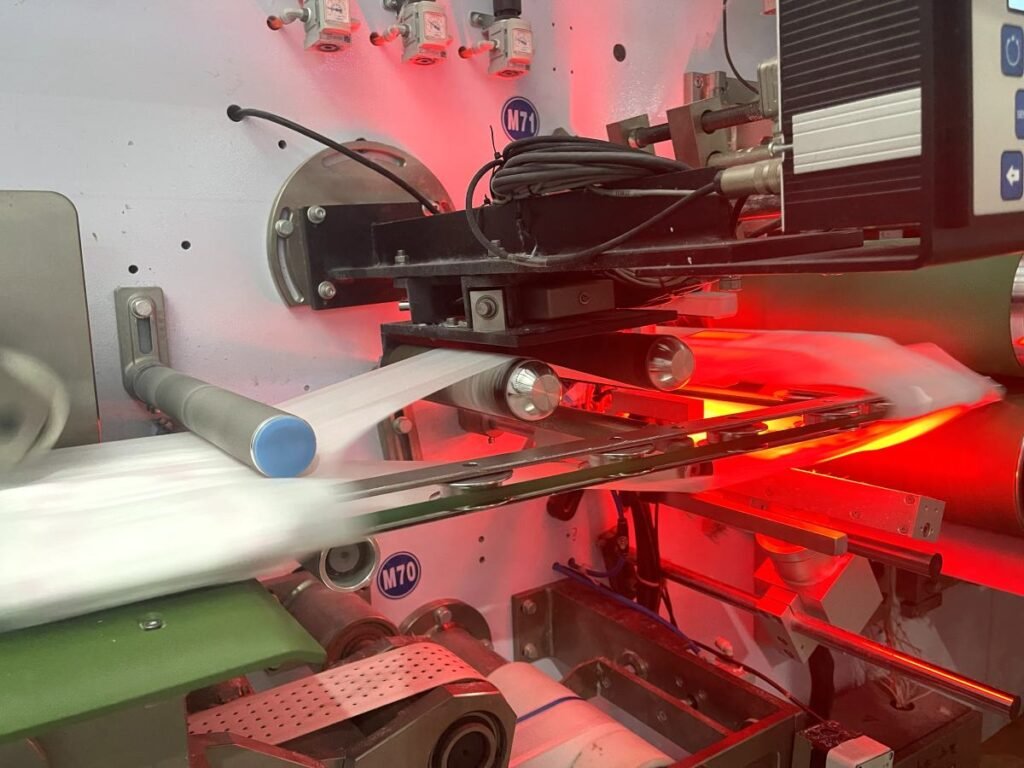
Raw Material Control
Incoming materials are checked before production to help ensure they meet the agreed specifications and support consistent product quality.
In-Process Inspection
Production monitoring and inspection help identify potential issues during manufacturing instead of relying only on final inspection.
Product Performance
Product dimensions, structure, absorbency, leakage protection, and other agreed performance requirements can be evaluated according to the project specifications.
Final Quality Verification
Finished products are checked for appearance, packaging, quantity, and other agreed requirements before shipment.
Quality Control Highlights
Raw Material Inspection
Quality control starts before production. Incoming materials are checked against the required specifications before they enter the manufacturing process.
Production Monitoring
During production, inspection procedures help monitor product structure, material positioning, appearance, and other key manufacturing requirements.
Product Testing
Testing and inspection can be arranged according to the product type, agreed specifications, target market, and applicable requirements.
Final Inspection
Finished products are checked before shipment to verify product condition, packaging, quantity, and other agreed requirements.
Understand OEM Product Sampling & Quality Verification
Before moving into mass production, product samples give buyers an opportunity to review the agreed product specifications and confirm whether the product meets their expectations.
What Happens During OEM Product Sampling? A Guide for Hygiene Product Buyers
Learn what buyers should check during OEM product sampling, including product construction, dimensions, performance, packaging, and other requirements before sample approval.
Develop Feminine Care Products for Your Brand
Once product quality requirements are clear, the next step is defining your OEM and private label requirements, including product specifications, branding, packaging, and production needs.
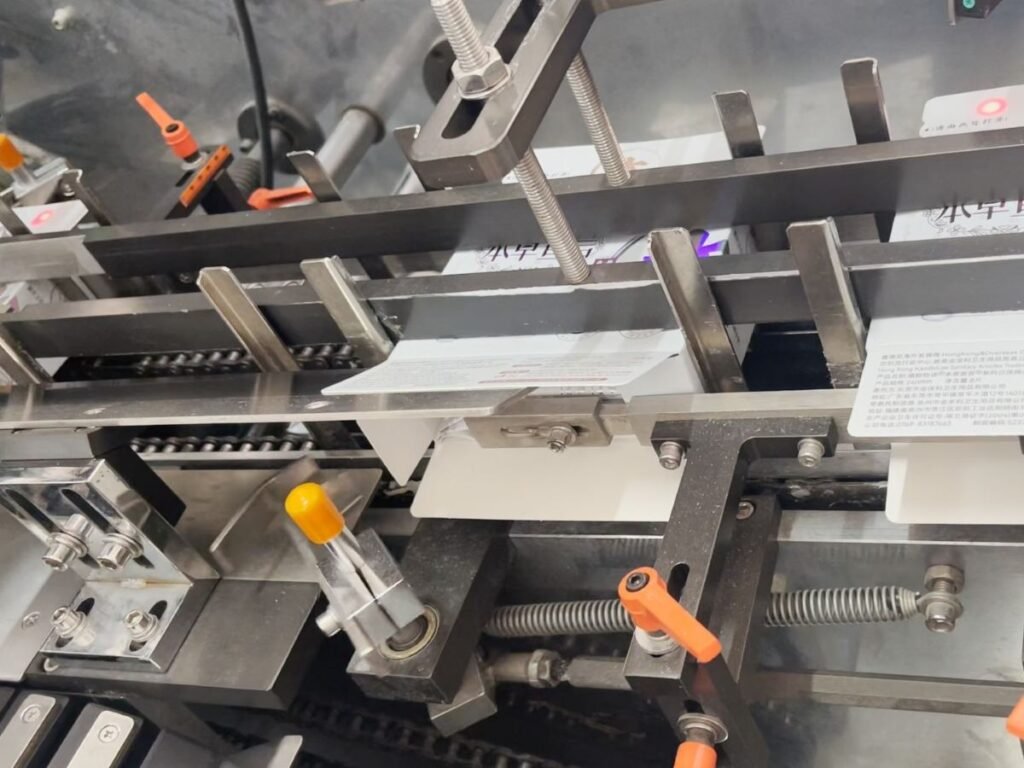
Flexible Customization
Customize product structure, materials, absorbency, dimensions, packaging, and branding according to your project requirements.
Private Label Support
Develop feminine care products under your own brand with customized artwork, packaging, and product specifications.
Product Development Support
Work with our team to define practical product specifications based on your target market, positioning, and expected requirements.
End-to-End Project Support
From product consultation and sampling to production, quality inspection, packaging, and shipment, our team supports the key stages of your OEM project.
OEM & Private Label Manufacturing
Flexible OEM Manufacturing for Feminine Care Brands
Developing a feminine care brand does not require building your own manufacturing facility. With an experienced OEM partner, brands can develop products based on their target market, product positioning, performance requirements, and packaging needs.
For feminine care products such as sanitary pads, panty liners, and period panties, OEM manufacturing can cover much more than private label packaging. Product structure, materials, absorbency, dimensions, shape, leakage protection, packaging, and branding can all be considered during product development.
At New EcoCare, we work with brand owners, importers, distributors, wholesalers, retailers, and other B2B buyers to develop feminine care products according to agreed specifications. Our team can support the process from product selection and customization to sampling, production, quality inspection, packaging, and shipment.
Whether you are launching a new feminine care brand or expanding an existing product range, the right OEM approach should balance product performance, market requirements, production feasibility, and commercial goals.
What Can Be Customized?
- Product Type & Size
- Absorbency & Core Structure
- Topsheet Materials
- Backsheet & Leakage Protection
- Shape & Product Design
- Packaging Format
- Artwork & Private Label Branding
- Product Specifications for Your Market
OEM Service Highlights
Product Development
Turn your product concept into a practical specification covering product type, dimensions, materials, absorbency, structure, and other key requirements.
Material & Performance Customization
Select suitable materials and define product performance requirements according to the intended application and market positioning.
Packaging & Private Label
Develop customized packaging, artwork, branding, pack quantities, and other commercial packaging requirements for your product range.
Production & Export Support
After product specifications and samples are confirmed, New EcoCare supports mass production, quality inspection, packaging, and international shipment.
Learn More About OEM Product Customization
Private label development is not simply about adding a logo to an existing product. Product structure, materials, performance, packaging, sampling, and production requirements all need to work together.
For B2B buyers, defining the right customization priorities early can make the product development process clearer and help avoid unnecessary changes later.
Private Label Baby Diapers: What Should You Customize With Your OEM Manufacturer?
This article explains how buyers can prioritize product structure, materials, performance, packaging, and other customization decisions when developing a private label hygiene product.
Customize Your Feminine Care Products
With your OEM approach defined, the next step is to determine the specific product and packaging details that should be customized for your brand and target market.
Product Customization & Packaging
Customize the Product and Packaging Around Your Brand
Product customization allows feminine care brands to develop products that match their target market, product positioning, and customer expectations. The right customization should focus on the details that have a practical impact on product performance, comfort, appearance, and commercial requirements.
For sanitary pads, panty liners, and period panties, customization can cover product dimensions, absorbency, materials, product structure, shape, packaging, and private label branding. The exact options depend on the product type and agreed specifications.
Packaging should also be considered together with the product itself. Pack quantity, individual wrapping, bag or box format, artwork, labeling, and carton configuration can affect the final product presentation as well as production and shipping requirements.
For OEM projects, it is therefore useful to confirm the main product specifications and packaging requirements before finalizing artwork. This helps reduce unnecessary changes and keeps the product, packaging, and production plan aligned.
What Can Be Customized?
- Product Size & Dimensions
- Absorbency Requirements
- اختيار المواد
- Product Structure & Shape
- Individual Packaging
- Retail Packaging
- Branding & Artwork
- Carton & Shipping Configuration
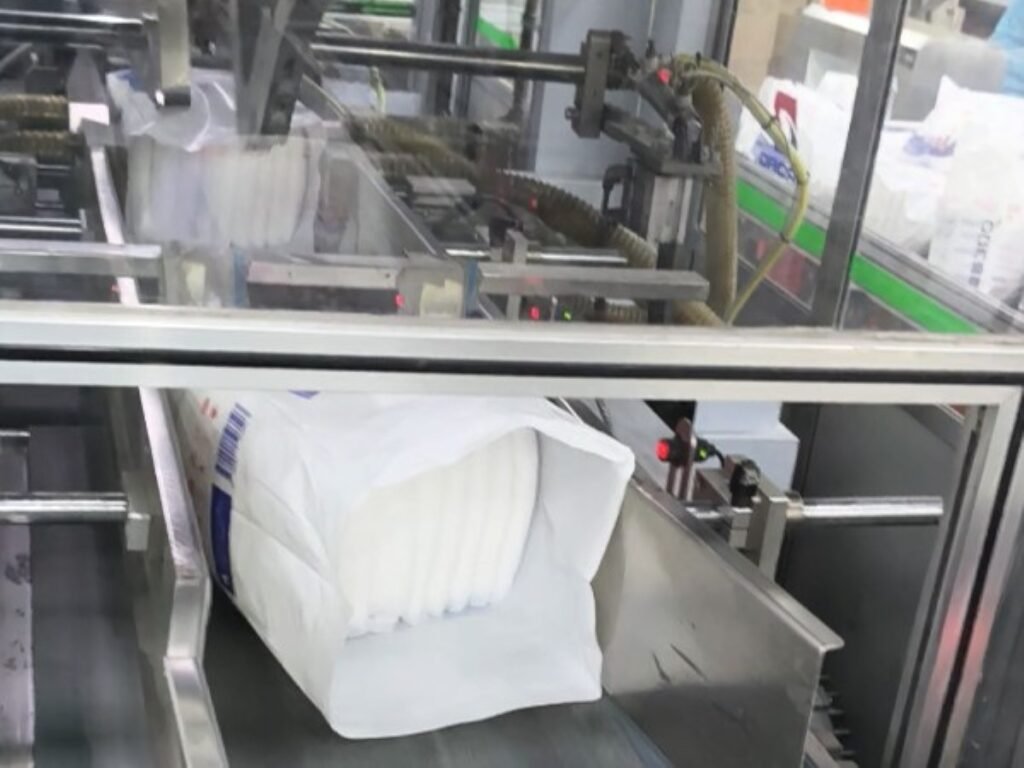
Product Specification
Define the product size, absorbency, materials, structure, and other specifications around your target market.
Flexible Packaging
Choose suitable individual, retail, or bulk packaging formats based on the product and sales channel.
العلامة التجارية الخاصة
Customize packaging artwork, logo, product information, barcode, languages, and other brand elements.
Practical SKU Planning
Consider product variations, pack quantities, packaging formats, and carton configuration together to create a practical product range.
Key Customization Considerations
مواصفات المنتج
Confirm product type, dimensions, absorbency, materials, structure, and other performance requirements before finalizing the product.
Packaging Format
Select packaging based on product type, pack quantity, retail channel, product protection, and brand presentation.
Artwork & Labeling
Prepare artwork with the required logo, product information, language, barcode, and other market-specific details.
MOQ & Production Planning
Customization should be considered together with SKU quantity, packaging requirements, production planning, and order volume to create a practical launch plan.
Build a Practical Feminine Care Product Range
Customization gives brands flexibility, but more customization does not always mean a better product range. A practical launch should balance product variety with production requirements, packaging complexity, order quantities, and market demand.
For new brands in particular, starting with a focused range can make product development and inventory management easier. Additional sizes, absorbency levels, packaging formats, or product types can then be introduced as the product range develops.
Choose the Right Feminine Care Products
With product specifications, customization options, and packaging requirements clearly defined, the next step is to evaluate which feminine care products best fit your target market and customer needs.

Sanitary Pads
A versatile feminine care option available in different sizes, absorbency levels, shapes, and packaging formats for different menstrual protection needs.
Panty Liners
Designed for lighter daily protection and personal hygiene applications, with options for different sizes, materials, shapes, and packaging requirements.
Period Panties
Underwear-style menstrual protection combining an integrated absorbent structure with a wearable design for customers seeking an alternative to traditional menstrual products.
Multi-Product Ranges
Brands can develop different feminine care products together to serve multiple customer needs, price points, usage occasions, and market segments.
Choosing the Right Feminine Care Products
Match the Product to Your Market and Customer Needs
Choosing the right feminine care product is not simply about selecting the most advanced or highest-absorbency option. The right choice depends on your target customers, intended use, market positioning, product expectations, and commercial requirements.
Sanitary pads, panty liners, and period panties serve different purposes. Sanitary pads can cover a wide range of everyday, overnight, and heavier-flow applications. Panty liners are generally designed for lighter daily protection and personal hygiene needs. Period panties combine underwear-style construction with an integrated absorbent structure for menstrual protection.
For B2B buyers, product selection should also take into account size range, absorbency requirements, material preferences, packaging format, target price positioning, and expected order volume. These factors can influence which product configuration is practical for your market.
Before developing a new product range, it is useful to define the customer group and primary use case first. This provides a clearer starting point for selecting the product type, specifications, materials, packaging, and customization options.
What Should You Consider When Choosing?
- Target Customer & Market
- Intended Use
- نوع المنتج
- Absorbency Requirements
- Size & Fit
- تفضيلات المواد
- Packaging & Sales Channel
- Price Positioning & Order Requirements
Key Product Selection Factors
نوع المنتج
Start with the product type that best matches the primary customer need and intended use.
Protection Level
Select an appropriate absorbency and protection configuration based on the intended application rather than using the same specification across every product.
Comfort & Fit
Consider softness, product thickness, shape, flexibility, dimensions, and fit-related features that influence the user experience.
Market & Commercial Requirements
Balance product performance, packaging, customization, order volume, and target price to create a product range that is practical for your market.
Build a Product Range That Fits Your Market
A successful feminine care range does not necessarily need to include every available product type. A more practical approach is to begin with products that address clear customer needs and then expand the range as market demand develops.
For example, a brand may start with sanitary pads in several absorbency levels and later add panty liners or period panties to reach additional customer segments. The right product mix depends on the brand’s positioning, distribution channels, target customers, and commercial strategy.
For OEM buyers, discussing these requirements with the manufacturer at an early stage can also help identify suitable product structures, customization options, packaging formats, and production configurations.
Find the Right Feminine Care Manufacturing Partner
Once you have identified the products and specifications that fit your market, the next step is to evaluate whether your OEM manufacturer can provide the product quality, customization, production support, and supply capabilities your business requires.
Choosing the Right Feminine Care Manufacturer
What Should B2B Buyers Look for in an OEM Partner?
Choosing a feminine care manufacturer involves more than comparing product prices or production capacity. For brand owners, importers, distributors, and private label buyers, the manufacturing partner also needs to match the product requirements, quality expectations, customization needs, and long-term supply plans of the business.
A suitable manufacturer should have relevant experience with the products you plan to develop, including sanitary pads, panty liners, period panties, or other feminine care solutions. It is also important to understand how the manufacturer manages raw materials, production, quality inspection, packaging, and shipment.
For OEM projects, communication and product development support are equally important. Clear communication during product specification, sample development, packaging design, and production can help reduce misunderstandings and unnecessary changes.
Before placing a larger order, buyers should therefore evaluate the manufacturer’s product capabilities, quality management, customization options, production resources, project support, and ability to meet agreed specifications consistently.
What Should You Check Before Choosing a Manufacturer?
- Manufacturing Experience
- مجموعة المنتجات
- Material & Product Knowledge
- Quality Management
- التخصيص حسب الطلب
- Sampling & Product Development
- Production Capacity & Order Planning
- Communication & Export Support

Relevant Manufacturing Experience
Look for experience with the feminine care products and specifications relevant to your target market.
Consistent Quality
Review the manufacturer’s raw material control, production inspection, finished product inspection, and quality management procedures.
Flexible OEM Support
Consider whether the manufacturer can support product development, customization, packaging, branding, and sample approval.
Reliable Project Support
Clear communication, production coordination, packaging support, and shipment preparation are important throughout an international OEM project.
Key Manufacturer Evaluation Factors
Product Capability
Confirm that the manufacturer can produce the specific feminine care products, sizes, absorbency levels, materials, and structures required for your project.
Quality & Consistency
Look beyond a single sample. Ask how the manufacturer controls raw materials, production processes, finished products, and batch-to-batch consistency.
Customization & Packaging
Evaluate whether the manufacturer can support your required product customization, private label branding, packaging artwork, pack configuration, and carton requirements.
Long-Term Supply Support
Consider whether the manufacturer’s production resources, project management, communication, and export support are suitable for your expected business development and future orders.
Questions to Ask Before Starting an OEM Project
Before selecting a manufacturing partner, it can be useful to prepare a clear list of questions covering the entire project.
Ask about product specifications, available materials, absorbency options, customization, sample development, packaging, quality inspection, order quantities, production lead time, and shipment arrangements.
You should also clarify which specifications need to be confirmed before production and how changes are handled after sample approval. Having these details agreed in advance can make communication clearer and help both sides work from the same product requirements.
Explore Our Featured Feminine Care Products
Now that you understand the key factors to consider when selecting feminine care products and an OEM manufacturing partner, explore our featured products to see the types of feminine care solutions available for private label development.
Featured Feminine Care Products
Explore Feminine Care Solutions for Your Brand
Explore selected feminine care products from New EcoCare for different menstrual protection and private label requirements. Our current range includes sanitary pads and disposable period pants, with product specifications and customization options available according to the project requirements.
Whether you are developing a new feminine care brand, expanding an existing product portfolio, or sourcing products for distribution, reviewing specific product formats can help you identify a suitable starting point for your OEM project.
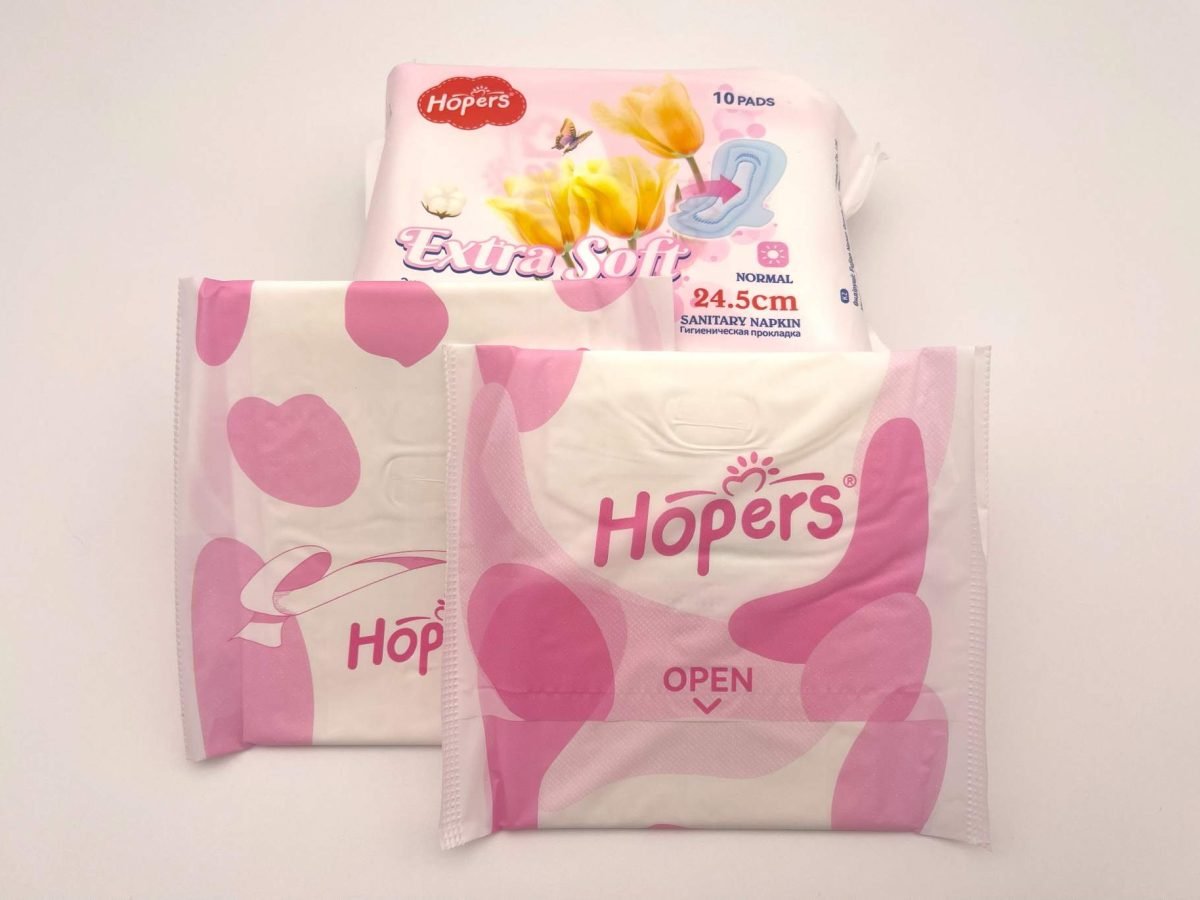
Sanitary Pads
المصنع الصيني لفوط الدورة الشهرية الصحية
An OEM sanitary pad solution available in different lengths and absorbency levels for day, night, and heavier-flow applications. The product supports customized materials, absorbency, individual wrapping, and retail packaging for private label projects.
Key Details:
- Ultra-thin / wood pulp construction
- 245 mm / 290 mm / 350 mm standard lengths
- 60–200 ml and customized absorbency options
- Super soft nonwoven or bamboo fabric topsheet options
- Individually wrapped packaging available
- PE bag, paper box, zip-lock bag, or aluminum foil bag options
- OEM / ODM / Private Label support
Disposable Period Pants
Sanitary Pad Panty Period Pants China OEM Factory
Disposable period pants designed for menstrual protection with an underwear-style construction. The current product specifications include M–L and XL sizes, 200 ml listed absorbency, and customized options for product specifications, materials, packaging, and branding.
Key Details:
- M–L and XL size options
- 200 ml listed absorbency
- Soft nonwoven topsheet
- Breathable outer layer
- High-absorbency SAP core
- 360° elastic waistband
- Leak guards
- Customized packaging and private label branding
Need a Different Feminine Care Product?
Our Feminine Care range also includes additional sanitary pad and period pant options for different product specifications, absorbency requirements, materials, and private label applications.
If you already have a product specification or packaging concept, our OEM team can discuss your requirements and help identify a suitable product direction.
See How Feminine Care Products Are Made
Product specifications are only one part of an OEM project. Take a closer look at product manufacturing, customization, quality control, and other aspects of feminine care production through our video resources.
Feminine Care Video Center
See Feminine Care Products in Production
Photos and specifications can tell you what a feminine care product looks like, but production videos provide a closer look at how the product is made, customized, inspected, and prepared for shipment.
Explore our feminine care video resources to see sanitary pad and disposable period pant production, product structure, quality inspection, packaging, and OEM customization in more detail.
For B2B buyers, these videos can also provide a practical view of the manufacturing process before starting a new OEM or private label project.
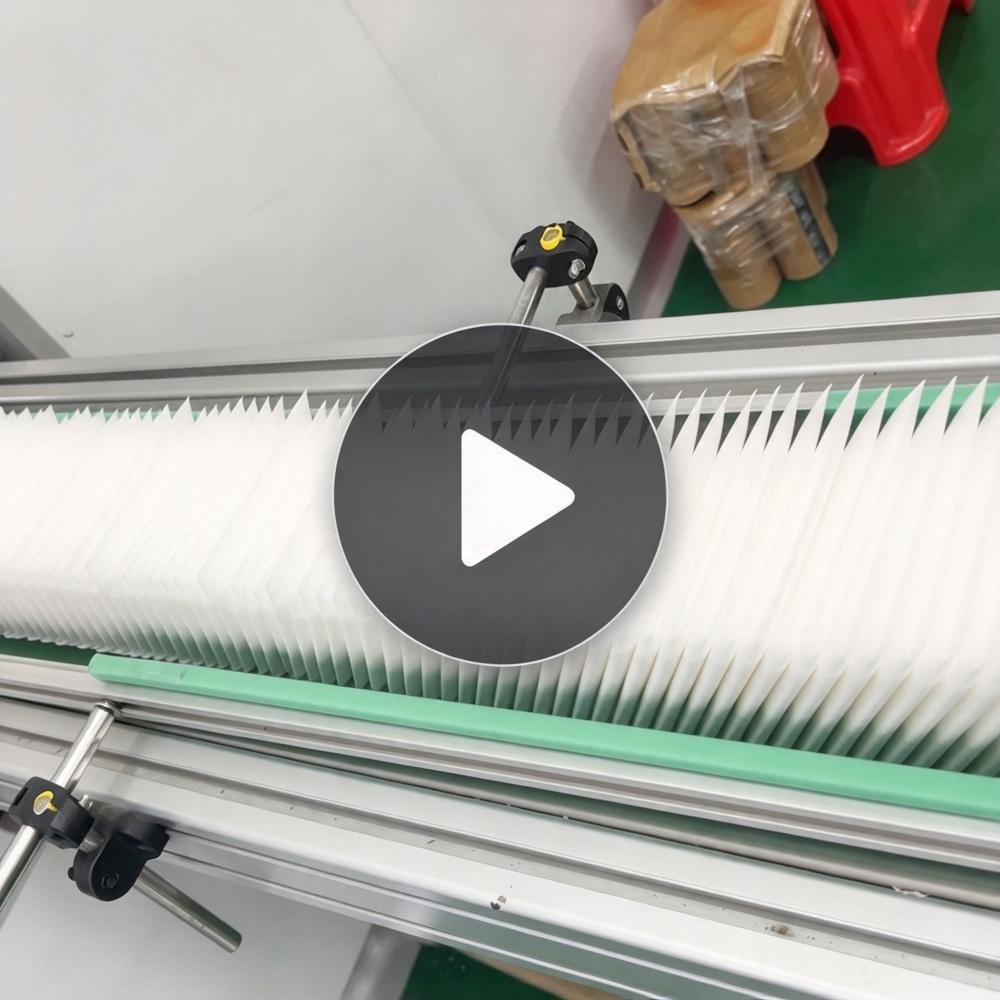
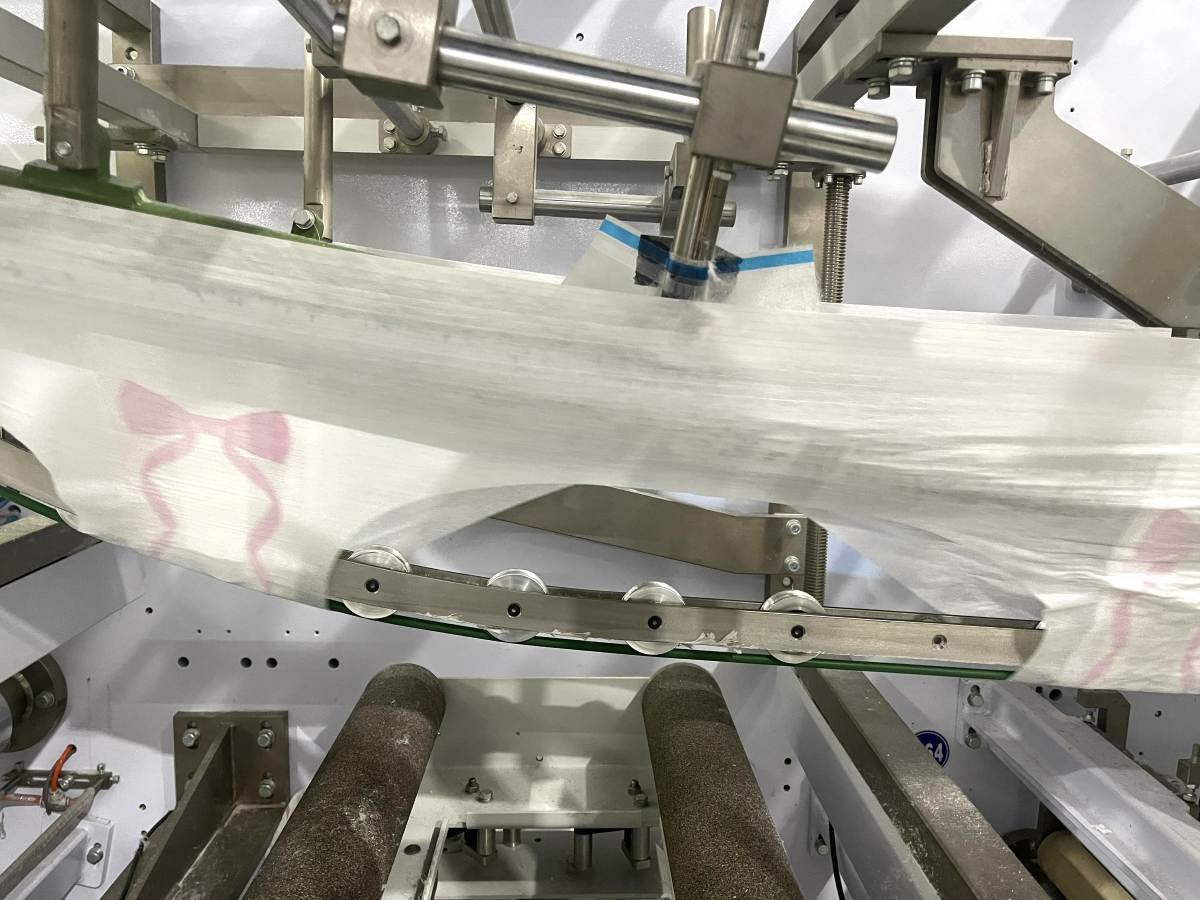
Sanitary Pad Manufacturing Process
See how sanitary pads move through the main stages of material preparation, absorbent core forming, product assembly, embossing, cutting, inspection, and packaging.
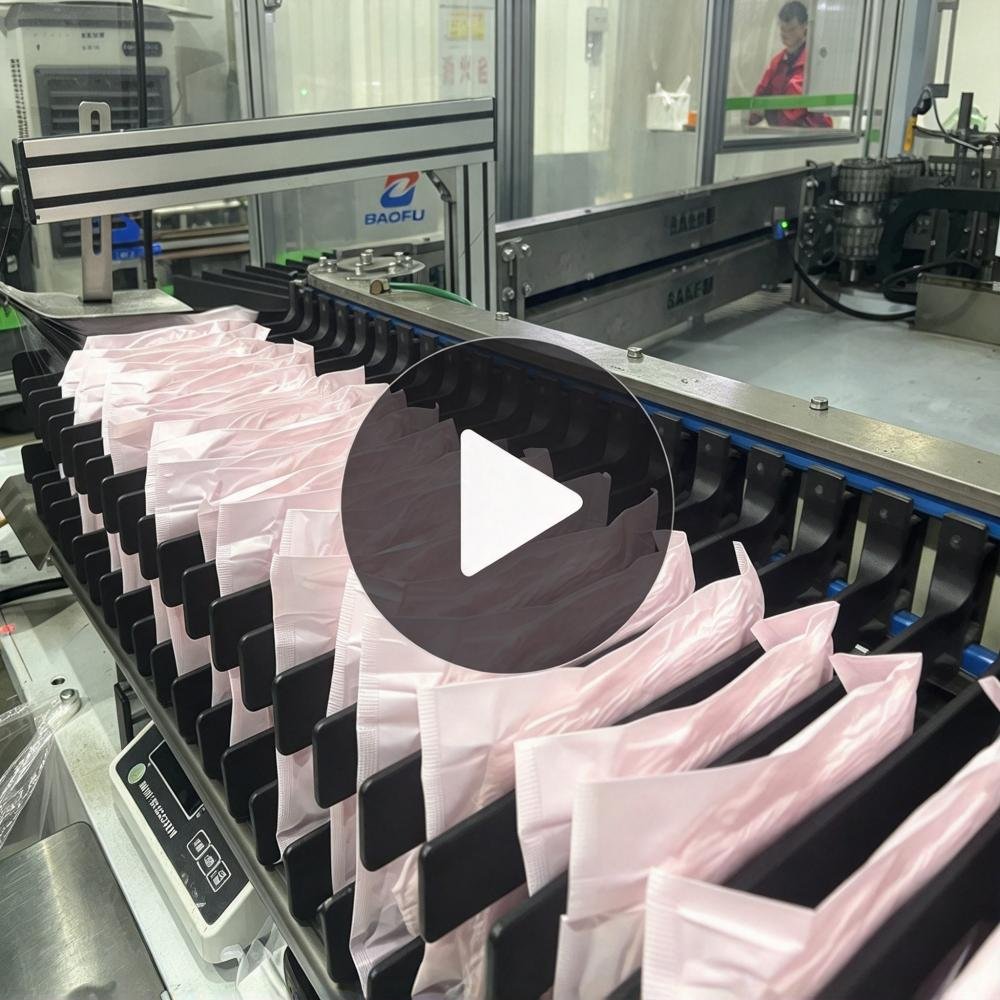
Disposable Period Pants Manufacturing Process
Take a closer look at the production of disposable period pants, including material preparation, absorbent core construction, product forming, elastic components, inspection, and packaging.
Looking for a Specific Product or Process?
If you are developing sanitary pads, panty liners, or disposable period pants and need more information about production, product structure, customization, or packaging, our OEM team can discuss your requirements and provide relevant product information.
الأسئلة المتداولة
Common Questions About Feminine Care Products, OEM & Private Label Manufacturing
Choosing and developing feminine care products involves many details, from product types and materials to absorbency, customization, packaging, quality control, and production. Below are some common questions from B2B buyers sourcing sanitary pads, panty liners, and disposable period panties.
New EcoCare currently offers feminine care products including sanitary pads, panty liners and disposable period pants. Product specifications, materials, absorbency, packaging, and branding can be discussed according to the requirements of each OEM or private label project.
Yes. Product size, dimensions, absorbency requirements, and other product specifications can be discussed during product development. The available options depend on the product type and the agreed product structure.
Material options can be discussed according to the product type and performance requirements. Depending on the product, this may include topsheet, absorbent core, backsheet, barrier, elastic components, and other materials.
Yes. OEM projects can include customized packaging and private label branding. Packaging options may include individual wrapping, retail bags, boxes, pack quantities, artwork, labeling, and carton configurations, depending on the product and project requirements.
Yes. B2B buyers can provide their own product specifications, samples, packaging concepts, or reference products for discussion. The specifications can then be reviewed with the OEM team to determine a practical product configuration.
Yes. Product samples can be discussed and arranged before mass production. Sample development allows buyers to review key product characteristics and confirm specifications before moving forward with bulk production.
Quality control covers different stages of the manufacturing process, including incoming material inspection, production monitoring, finished product inspection, packaging checks, and final verification according to the agreed product requirements.
It is helpful to provide the product type, required size, absorbency level, material preferences, packaging format, pack quantity, target market, estimated order quantity, and any available artwork or reference samples. The more details provided, the easier it is to evaluate the project requirements.
Yes. You can discuss your target market, customer group, intended use, product positioning, packaging requirements, and expected order volume with the OEM team. These details can help identify a suitable product direction.
Yes. A brand can develop different feminine care product types under the same private label brand. Product specifications, packaging, branding, and product positioning can be planned as a coordinated product range.
Still Can't Find the Answer?
Our experienced OEM specialists are happy to answer your questions about feminine care product development, materials, absorbency, customization, packaging, quality control, sampling, production, and international shipping.
If you have a specific product requirement or project question, contact our team to discuss your needs and receive practical support for your OEM or private label project.
Ready to Develop Your Feminine Care Product?
From product selection and customization to sampling, production, quality control, and packaging, New EcoCare supports B2B buyers throughout the key stages of feminine care OEM and private label development.
Looking for Something More Specific?
Contact our team for product recommendations, OEM consultation, sample requests, private label development support, or customized feminine care product solutions.
 Arabic
  English
  Spanish
  Russian
  German
  French
  Italian
  Portuguese
  Greek
Greek