Neue Eigenmarken für Windeln haben oft mit Schwierigkeiten zu kämpfen, die auf eine übereilte Auswahl von OEM-Partnern, unklare Spezifikationen und übersehene Compliance-Anforderungen zurückzuführen sind. Durch die Vermeidung dieser häufigen Fehler können Marken von Anfang an ihre Produktqualität, ihre Gewinnmargen und ihr langfristiges Wachstum sichern.
Neue Eigenmarken für Windeln haben oft mit Schwierigkeiten zu kämpfen, die auf eine übereilte Auswahl von OEM-Partnern, unklare Spezifikationen und übersehene Compliance-Anforderungen zurückzuführen sind. Durch die Vermeidung dieser häufigen Fehler können Marken von Anfang an ihre Produktqualität, ihre Gewinnmargen und ihr langfristiges Wachstum sichern.
Die Einführung einer Eigenmarke für Windeln scheint auf dem Papier ganz einfach zu sein. Man wählt ein Produkt aus, sucht eine Fabrik, entwirft die Verpackung und beginnt mit dem Verkauf. In der Realität haben viele neue Marken jedoch nicht wegen des Marketings oder der Nachfrage Schwierigkeiten, sondern aufgrund von Entscheidungen, die bereits in der frühen Phase der OEM-Entwicklung getroffen wurden.
Durch unsere jahrelange Zusammenarbeit mit internationalen Vertriebshändlern, Importeuren und Markeninhabern haben wir festgestellt, dass sich immer wieder dieselben Probleme wiederholen. Diese Fehler treten nicht immer sofort zutage – doch wenn sie auftreten, wirken sie sich auf die Produktqualität, die Einhaltung gesetzlicher Vorschriften, die Gewinnmargen und das Vertrauen in die Marke aus.
Nachfolgend finden Sie die Die sieben häufigsten Fehler, die neue Eigenmarken für Windeln machen, und wie man sie bei der Zusammenarbeit mit einem OEM-Hersteller vermeiden kann.
Inhaltsübersicht
Unterschätzung der Auswirkungen von Stoffen auf die Haut
Eine der häufigsten Annahmen, die neue Marken treffen, ist, dass “alle Windelmaterialien mehr oder weniger gleich sind”. Das sind sie jedoch nicht.
Schon kleine Veränderungen bei der Obermaterialstruktur, der Kernzusammensetzung oder der Atmungsaktivität des Untermaterials können den Tragekomfort erheblich beeinflussen – insbesondere bei Babys, Senioren oder Personen, die die Produkte über längere Zeit tragen. Neue Marken konzentrieren sich oft auf optische Merkmale oder den Preis, ohne vollständig zu verstehen, wie sich die Materialien nach stundenlangem Tragen verhalten.
Aus Sicht der Erstausrüster wird der Tragekomfort nicht durch ein einziges Material bestimmt. Es ist vielmehr die Wechselwirkung zwischen den Schichten:
Weichheit und Durchlässigkeit der Deckschicht
Absorptionsgeschwindigkeit und -verteilung im Kern
Atmungsaktivität der Rückseite
Elastische Druckpunkte
Wenn Marken dies außer Acht lassen, riskieren sie Beschwerden wie Hautrötungen, Überhitzung oder Unwohlsein – Probleme, die sich nur schwer beheben lassen, sobald das Produkt bereits auf dem Markt ist.
Was erfahrene OEM-Einkäufer anders machen:
Sie verlangen fundierte Erklärungen und nicht nur Proben. Sie testen Produkte unter realen Anwendungsbedingungen und wissen, dass “hautfreundlich” ein Gesamtkonzept ist und nicht nur ein Etikett.
Den Preis der Produktionsstabilität vorziehen
Der Preisdruck ist real, insbesondere für neue Marken, die versuchen, wettbewerbsfähig zu bleiben. Die Auswahl eines Windel-OEM Sich ausschließlich auf das günstigste Angebot zu verlassen, ist einer der schnellsten Wege, langfristige Probleme zu verursachen.
Hinter extrem niedrigen Preisen verbergen sich oft Risiken wie:
Unsichere Rohstoffbeschaffung
Uneinheitliche Produktionslinien
Begrenzte Kontrollpunkte bei der Qualitätskontrolle
Geringe Skalierbarkeit bei Nachbestellungen
Viele Marken erkennen dies erst nach ihrer zweiten oder dritten Bestellung, wenn sich die Leistung ändert oder die Lieferzeiten unvorhersehbar werden.
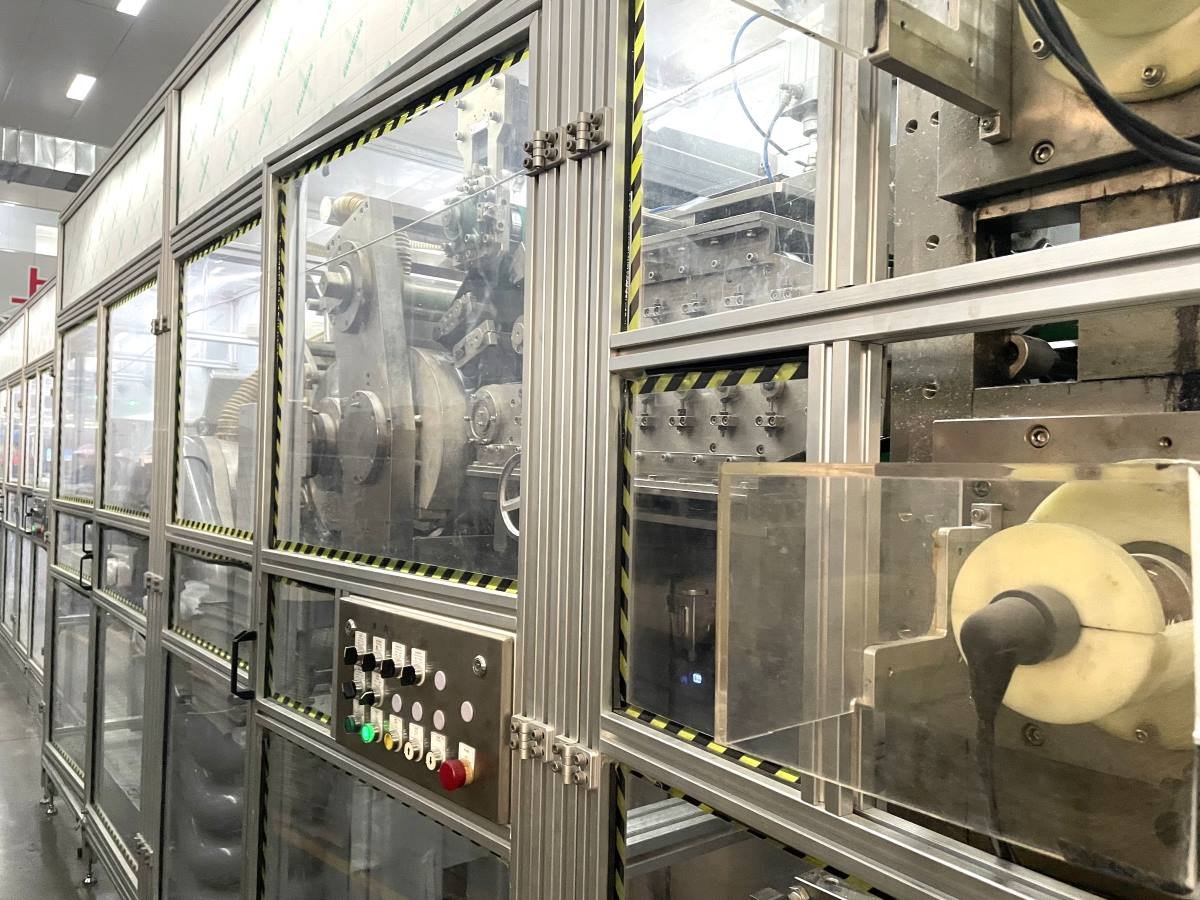
Ein etablierter OEM-Hersteller von Windeln konzentriert sich auf Prozesskonsistenz, nicht nur die Kosten. Dazu gehören eine kontrollierte Materialbeschaffung, standardisierte Produktionsparameter und eine gleichbleibende Qualität über alle Chargen hinweg.
Worauf erfahrene Käufer achten:
Nicht die günstigste Fabrik – aber die zuverlässigste, die ein langfristiges Wachstum im Eigenmarkenbereich ohne Überraschungen gewährleisten kann.
Unberücksichtigung der regulatorischen Unterschiede nach Märkten
Compliance wird oft als “Problem, das sich später regeln lässt” betrachtet. Das ist ein kostspieliger Fehler.
Die verschiedenen Märkte stellen unterschiedliche Anforderungen hinsichtlich Dokumentation, Prüfung, Kennzeichnung und Produktangaben. Eine Windel, die sich in einer Region gut verkauft, erfordert in anderen Regionen möglicherweise zusätzliche Unterlagen oder Anpassungen.
Neue Marken gehen manchmal davon aus, dass die bestehenden Zertifikate eines Herstellers automatisch für alle Märkte gelten. In Wirklichkeit hängt die Einhaltung der gesetzlichen Vorschriften jedoch von folgenden Faktoren ab:
Anforderungen des Ziellandes
Vertriebskanal (Einzelhandel, Gesundheitswesen, institutioneller Bereich)
Produktpositionierung und Werbeaussagen
Wird dies frühzeitig ignoriert, können Marken mit Kosten für die Neuetikettierung, verspäteten Lieferungen oder blockierten Importen konfrontiert werden.
Intelligente Zusammenarbeit mit OEMs bedeutet:
Bereits im ersten Gespräch die Zielmärkte erörtern und die Produktspezifikationen, den Testumfang sowie die Dokumentation entsprechend darauf abstimmen.
Zu frühe, übermäßige Anpassung
Die Anpassbarkeit ist einer der größten Vorteile von Eigenmarken-Windel Fertigung – aber sie kann auch zu einer Falle werden.
Neue Marken versuchen manchmal, alles auf einmal individuell anzupassen:
Einzigartige Formen
Spezielle Materialien
Sondergrößen
Komplexe Verpackungsstrukturen
Dies verlängert die Entwicklungszeit, erhöht die Werkzeugkosten und vergrößert das Risiko – insbesondere solange noch keine nachweisbare Nachfrage nach dem Produkt besteht.
Aus Sicht der Erstausrüster führt eine zu frühe, übermäßige Anpassung oft zu Verzögerungen in der Produktion und erschwert die Qualitätskontrolle. Außerdem kann es dadurch schwieriger werden, später Anpassungen vorzunehmen, falls die Resonanz auf dem Markt anders ausfällt als erwartet.
Ein effektiverer Ansatz:
Beginnen Sie mit einem stabilen, bewährten Basisprodukt. Passen Sie es strategisch an – dort, wo es für Ihre Positionierung am wichtigsten ist – und bauen Sie die Differenzierung aus, sobald das Volumen und das Feedback dies rechtfertigen.
Mangelhafte Kommunikation mit OEM-Partnern
Viele Probleme im Zusammenhang mit Eigenmarken sind nicht technischer Natur – es handelt sich vielmehr um Kommunikationsprobleme.
Zu den häufigsten Problemen gehören:
Unklare Spezifikationen
Annahmen statt Bestätigungen
Änderungen, die nicht eindeutig dokumentiert sind
Unterschiedliche Erwartungen hinsichtlich Leistung oder Toleranzen
Bei der OEM-Fertigung kommt es auf jedes Detail an. Schon kleine Missverständnisse können zu erheblichen Abweichungen bei den Endprodukten führen.
Starke Beziehungen zu OEMs basieren auf strukturierte Kommunikation, keine beiläufigen Gespräche. Eine klare Dokumentation, Musterbestätigungen und Versionskontrolle sind wichtiger als Schnelligkeit.
Erfolgreiche Marken betrachten OEMs als Partner und nicht als Lieferanten.
Sie investieren im Vorfeld Zeit, um sich über Ziele, Rahmenbedingungen und Zuständigkeiten abzustimmen.

Den OEM als kurzfristige Lösung betrachten
Manche neuen Marken betrachten die OEM-Fertigung als vorübergehende Lösung – als etwas, das später ersetzt werden soll, sobald die Stückzahlen steigen.
Diese Denkweise führt oft zu oberflächlicher Zusammenarbeit, mangelnder Transparenz und verpassten Verbesserungsmöglichkeiten.
Tatsächlich wachsen die erfolgreichsten Eigenmarken für Windeln gemeinsam mit ihren OEM-Partnern. Eine langfristige Zusammenarbeit ermöglicht:
Kostenoptimierung im Zeitverlauf
Prozessoptimierung
Materialverbesserungen
Bessere Produktionsplanung
Ein engagierter OEM-Partner wird zu einem wesentlichen Bestandteil der operativen Struktur der Marke.
Warum diese Fehler heute wichtiger denn je sind
Der heutige Windelmarkt ist wettbewerbsintensiver und transparenter denn je. Händler, Einkäufer im Gesundheitswesen und Endverbraucher bemerken Unstimmigkeiten schnell. Online-Bewertungen und KI-gestützte Suchergebnisse verstärken sowohl Stärken als auch Schwächen.
Das Vermeiden dieser häufigen Fehler hilft neuen Marken:
Margen sichern
Betriebsrisiken reduzieren
Vertrauen bei Käufern aufbauen
Reibungsloser skalieren
Aus Sicht eines OEM entstehen die stärksten Partnerschaften mit Marken, die die Realitäten der Fertigung verstehen – und nicht nur die Marketingziele.
Abschließende Gedanken von New EcoCare
Unter Neue EcoCare, arbeiten wir eng mit Private-Label-Kunden zusammen, die nachhaltige Windelmarken aufbauen möchten – und nicht nur Produkte auf den Markt bringen wollen.
Die OEM-Fertigung funktioniert am besten, wenn Entscheidungen auf fundierten Informationen beruhen, die Erwartungen klar sind und das Wachstum Schritt für Schritt geplant wird. Um die oben genannten Fehler zu vermeiden, ist keine Perfektion erforderlich – es reichen die richtigen Fragen zur richtigen Zeit.

 German
  English
  Spanish
  Russian
  Arabic
  French
  Italian
  Portuguese
  Greek
Greek