
Consumer expectations in comfort, sustainability, and pricing increasingly shape diaper OEM design decisions. Understanding these trends helps private label brands develop competitive products for 2026 and beyond.
Consumer expectations in the diaper category are changing faster than many brands realize. By 2026, buying decisions—whether made by parents, caregivers, or procurement teams—will be shaped less by basic functionality and more by how well products align with comfort, sustainability, and perceived value.
For private label brands and distributors, this shift matters. Consumer preferences increasingly influence OEM design priorities, from material selection to cost structure and production planning. Brands that understand these expectations early are better positioned to develop products that perform well not only at launch, but over time.
This insight report looks at four key areas shaping diaper purchasing decisions in 2026, and what they mean for brands working with OEM manufacturers.
Table of Contents
Comfort Expectations
Comfort has always mattered in diapers, but in 2026 it is no longer viewed as a premium feature—it is the baseline.
Consumers today are more informed. They read reviews, compare materials, and notice small differences in wear experience. Complaints about stiffness, heat buildup, or poor fit spread quickly, especially in competitive markets.
From a consumer perspective, comfort is defined by daily experience, not technical specifications. Buyers focus on outcomes such as:
How dry the skin feels after hours of use
Whether the diaper feels bulky under clothing
How well it fits during movement
Whether it causes irritation over repeated use
For OEM manufacturing, this shifts the conversation away from “what materials are used” to how materials interact. A soft topsheet alone is not enough if the core absorbs slowly or traps heat. Similarly, high absorbency does not guarantee comfort if airflow is restricted.
In 2026, brands that perform well on comfort typically work closely with their diaper OEM manufacturer to fine-tune:
Absorption speed, not just capacity
Core distribution to reduce pressure points
Elastic balance for secure but gentle fit
Breathability across the full structure
Comfort is no longer a feature to highlight—it is a requirement to compete.

Sustainability Signals
Sustainability continues to influence buying behavior, but the way consumers interpret it has matured.
By 2026, many buyers are skeptical of vague claims. Instead of broad terms like “eco-friendly,” they look for clear signals that suggest responsible manufacturing choices, even if the product is not fully biodegradable.
Common sustainability signals consumers respond to include:
Reduced material waste through thinner designs
More breathable structures that use materials efficiently
Clear communication around material sourcing
Packaging that appears minimal and practical
Importantly, sustainability expectations vary by market. Some regions prioritize environmental messaging, while others focus more on safety and compliance. This is where OEM strategy becomes critical.
From an OEM perspective, sustainability is often about balanced optimization, not extreme changes. Brands that succeed tend to:
Introduce incremental material improvements
Optimize core efficiency to reduce total material use
Adjust packaging formats for logistics efficiency
In 2026, sustainability is less about perfection and more about credibility. Consumers want to see effort backed by consistency, not marketing language unsupported by product experience.
Pricing Sensitivity
Despite rising expectations, pricing sensitivity remains strong—and in many markets, it is increasing.
Consumers want better diapers, but they are also comparing value more closely. This does not mean they always choose the cheapest option. Instead, they assess whether the product feels “worth the price.”
For private label brands, this creates a complex challenge. Higher comfort and sustainability standards can increase costs, while competitive pricing remains essential.
OEM manufacturing plays a central role here. Price is not determined by one factor, but by a series of decisions:
Core design efficiency
Material sourcing stability
Production scale and line utilization
Packaging and logistics optimization
In 2026, successful brands work with OEM partners who understand cost-performance balance, rather than pushing either extreme.
From a consumer point of view, acceptable pricing is closely tied to trust. If performance is stable and consistent, buyers are more willing to accept modest price differences. Inconsistent quality, on the other hand, quickly erodes perceived value.
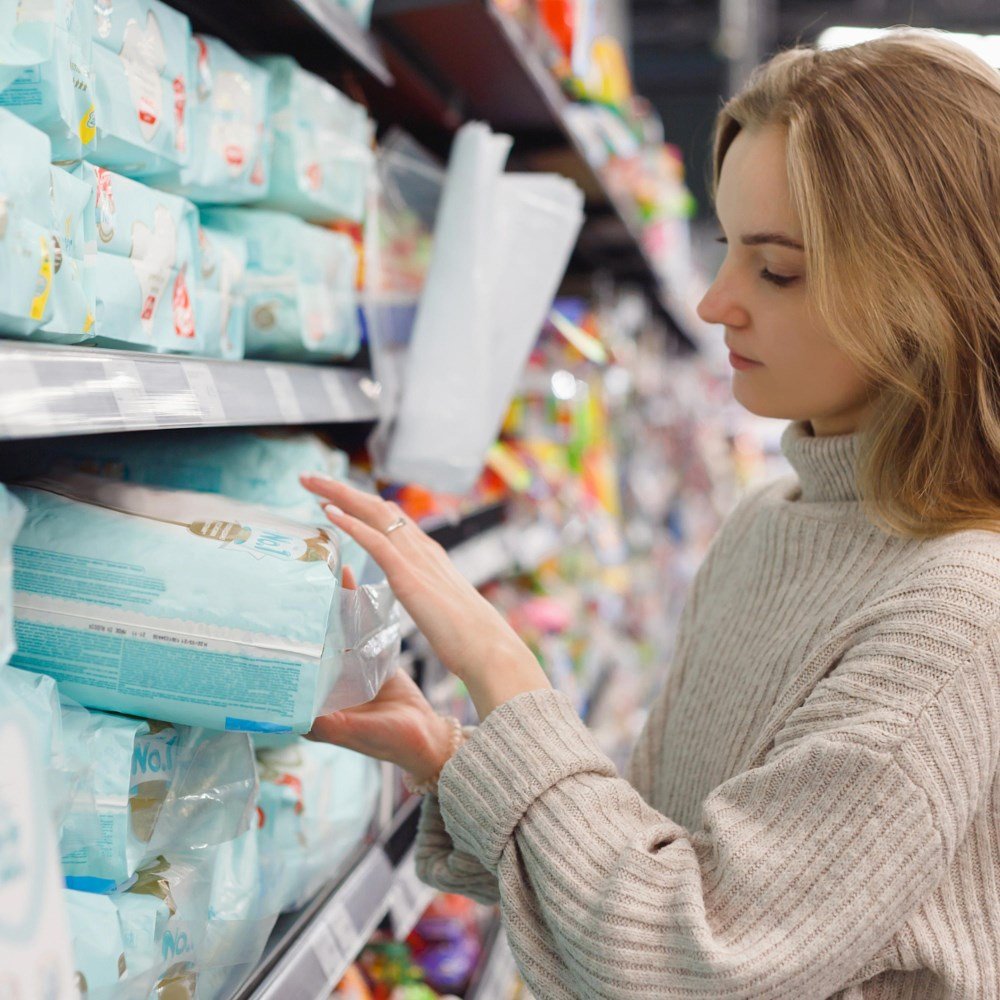
OEM Response: Translating Insight Into Manufacturing Decisions
Consumer insight only creates value when it is translated into execution. This is where OEM capability becomes a competitive advantage.
In 2026, leading diaper OEM manufacturers are responding to buyer expectations in several practical ways.
1. Modular Product Design
Instead of fully custom products from day one, OEMs increasingly offer modular structures. This allows brands to:
Adjust comfort or absorbency levels
Control cost based on target segment
Scale production without redesigning the entire product
This approach supports faster market response while keeping manufacturing stable.
2. Data-Informed Material Selection
OEMs are moving beyond “standard recipes” and using performance data from past production to guide material choices. This improves predictability and reduces trial-and-error development.
For brands, this means more reliable outcomes with fewer revisions.
3. Scalable Customization
Rather than over-customizing early, OEM partners help brands plan customization in stages. Initial launches focus on proven configurations, with upgrades introduced once demand is validated.
This aligns product development with real consumer feedback.
4. Clear Communication and Documentation
As consumer expectations rise, documentation matters more. OEMs that provide clear specifications, test references, and change tracking help brands respond quickly to market questions.
This transparency supports long-term trust across the supply chain.
Why Consumer Insight Matters More for B2B Buyers
It is easy to assume consumer insight is mainly a B2C concern. In reality, it increasingly shapes B2B decisions.
Distributors, healthcare suppliers, and procurement teams pay attention to:
Complaint rates
Repeat order stability
Brand reputation in their channels
OEM-manufactured diapers that align with consumer expectations reduce risk for everyone involved.
For B2B buyers sourcing private label products, understanding 2026 consumer priorities helps:
Select the right OEM partner
Define realistic product specifications
Avoid over-engineering or under-delivering
Consumer insight is no longer separate from manufacturing strategy—it directly influences OEM success.
Final Thoughts from New EcoCare
At New EcoCare, we view consumer insight as a practical tool, not a marketing trend.
What buyers want in 2026 is not dramatically different from today—but expectations are sharper, and tolerance for inconsistency is lower. Comfort must be reliable, sustainability must feel credible, and pricing must make sense over time.
OEM manufacturing sits at the center of these expectations. Brands that treat their OEM partner as part of their strategy—not just a production resource—are better positioned to grow sustainably.

 English
  Spanish
  Russian
  Arabic
  German
  French
  Italian
  Portuguese
  Greek
Greek