The feminine hygiene market continues to grow across supermarkets, pharmacies, e-commerce platforms, healthcare channels, and regional distribution networks. At the same time, more importers, wholesalers, and brand owners are launching their own private label product lines instead of relying entirely on established retail brands.
For companies planning to enter or expand in this market, finding the right manufacturing partner is one of the most important decisions. A reliable supplier does more than produce sanitary pads. They help brands manage quality, packaging, compliance, lead times, and long-term supply stability.
At New EcoCare, we work with global customers looking for OEM and private label hygiene solutions. Over the years, we have seen that successful feminine care brands are usually built on strong manufacturing partnerships rather than short-term price competition alone.
This article explains what B2B buyers should pay attention to when choosing a sanitary napkin private label manufacturer and how the right OEM sanitary pad producer can support sustainable business growth.
Πίνακας περιεχομένων
Why More Brands Are Choosing Private Label Feminine Hygiene Products
Private label sanitary napkins are no longer limited to supermarket chains. Today, many businesses are entering the category, including:
- Regional distributors
- Πωλητές ηλεκτρονικού εμπορίου
- Pharmacy groups
- Healthcare suppliers
- Baby care brands expanding into feminine care
- Importers building exclusive local brands
- Startups targeting niche markets
Compared with selling third-party products, private label manufacturing gives businesses greater control over:
- Brand positioning
- Product specifications
- Packaging design
- Pricing strategy
- Market differentiation
- Customer loyalty
For many distributors, building a private label line also helps improve profit margins while reducing direct price competition in local markets.
As online sourcing becomes more transparent, buyers are also paying closer attention to manufacturing capabilities, factory stability, and product consistency instead of choosing suppliers based only on the lowest quotation.
What an OEM Sanitary Pad Producer Actually Provides
Some buyers assume OEM production only means placing a logo on existing products. In reality, professional OEM manufacturing involves much more.
An experienced OEM sanitary pad producer can usually support:
Προσαρμογή προϊόντος
This includes:
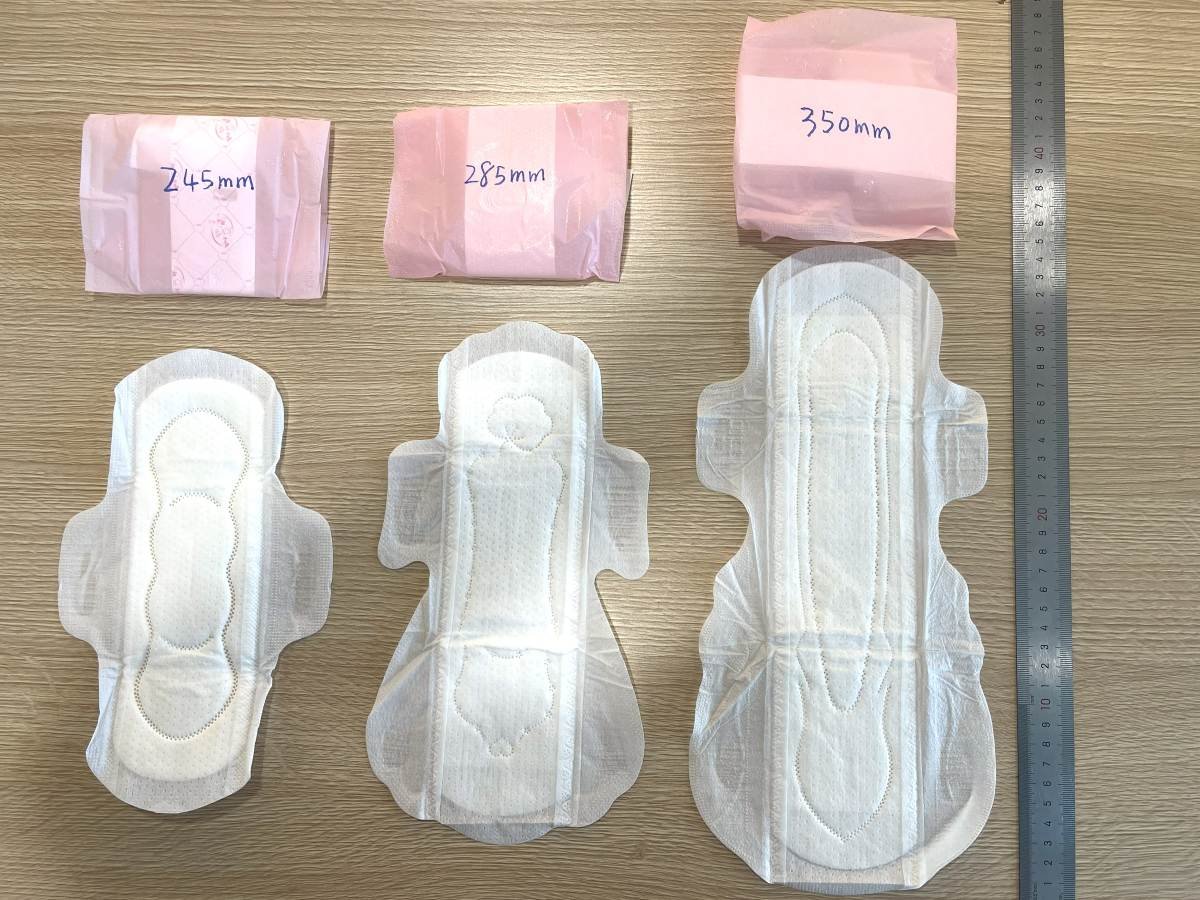
- Pad length
- Πάχος
- Επίπεδο απορροφητικότητας
- Surface material
- Wing or non-wing designs
- Day and night use specifications
- Μορφή συσκευασίας
- Fragrance options
- Individual wrapping
Different markets often prefer different product structures. Some regions prioritize ultra-thin designs, while others prefer thicker absorbent cores for overnight protection.
Packaging Development
Packaging plays a major role in retail competitiveness. Manufacturers often help customers with:
- Private label bag printing
- Retail packaging layouts
- Barcode placement
- Carton design
- Shipping marks
- Multilingual packaging requirements
Regulatory and Documentation Support
Professional factories usually assist customers with:
- Product testing reports
- Factory certifications
- Έγγραφα εξαγωγής
- Quality control records
- Material specifications
This is especially important for importers working with pharmacies, supermarkets, or government tenders.
Production Planning
Reliable factories help customers:
- Arrange production schedules
- Estimate lead times
- Forecast seasonal demand
- Manage repeat orders
- Reduce stock shortages
For growing brands, stable production planning is often more valuable than chasing extremely low prices.
Key Factors to Evaluate Before Choosing a Manufacturer
Not all factories operate at the same level. Before selecting a sanitary napkin private label supplier, B2B buyers should evaluate several important areas carefully.
1. Manufacturing Experience
Feminine hygiene products require stable production control and consistent quality standards.
Factories with long-term OEM experience usually have stronger systems for:
- Raw material management
- Production monitoring
- Defect control
- Packaging accuracy
- Export coordination
Experienced manufacturers are also more familiar with market expectations across different regions.
At New EcoCare, our team has years of experience in hygiene product manufacturing and OEM cooperation for international customers. This helps us communicate more efficiently with importers, distributors, and private label brands.
2. Quality Control Systems
Quality consistency is critical in feminine hygiene products. Even small production issues can affect customer trust and brand reputation.
Buyers should ask manufacturers about:
- Incoming material inspection
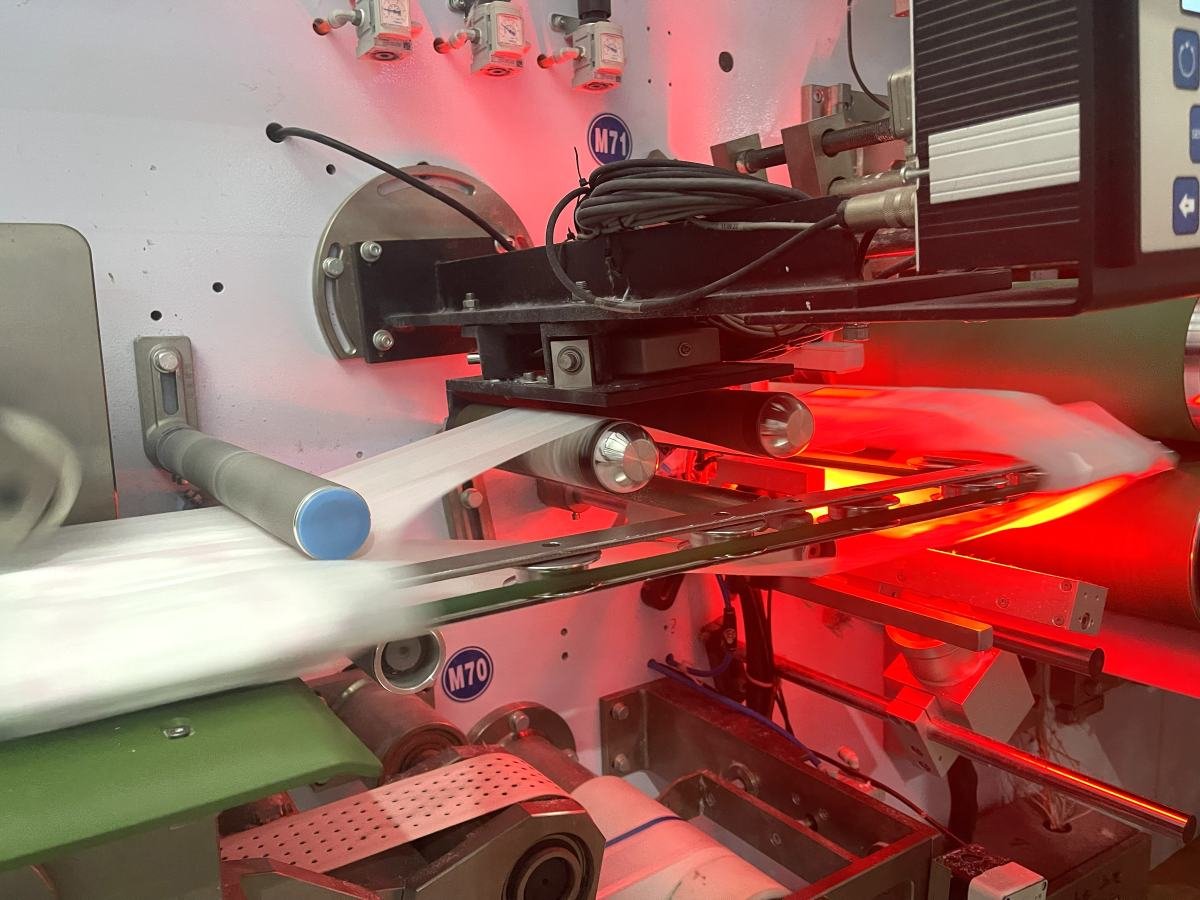
- Online production monitoring
- Finished product testing
- Leak prevention checks
- Δοκιμή απορροφητικότητας
- Packaging inspection procedures
A professional factory should be able to explain its quality control process clearly instead of providing vague answers.
Factories with organized QC systems are generally better prepared for long-term cooperation and repeat orders.
3. Product Customization Ability
Many new brands want customized products, but not all suppliers truly support flexible OEM development.
Before cooperation, buyers should confirm:
- Minimum order quantities
- Available material options
- Packaging customization capability
- Sample development process
- Printing limitations
- Production timelines
A supplier that can only offer limited standard products may restrict future brand growth.
Strong customization capability becomes especially important for businesses targeting:
- Premium retail channels
- Organic positioning
- Sensitive skin markets
- Regional preferences
- E-commerce branding
4. Stable Supply Chain
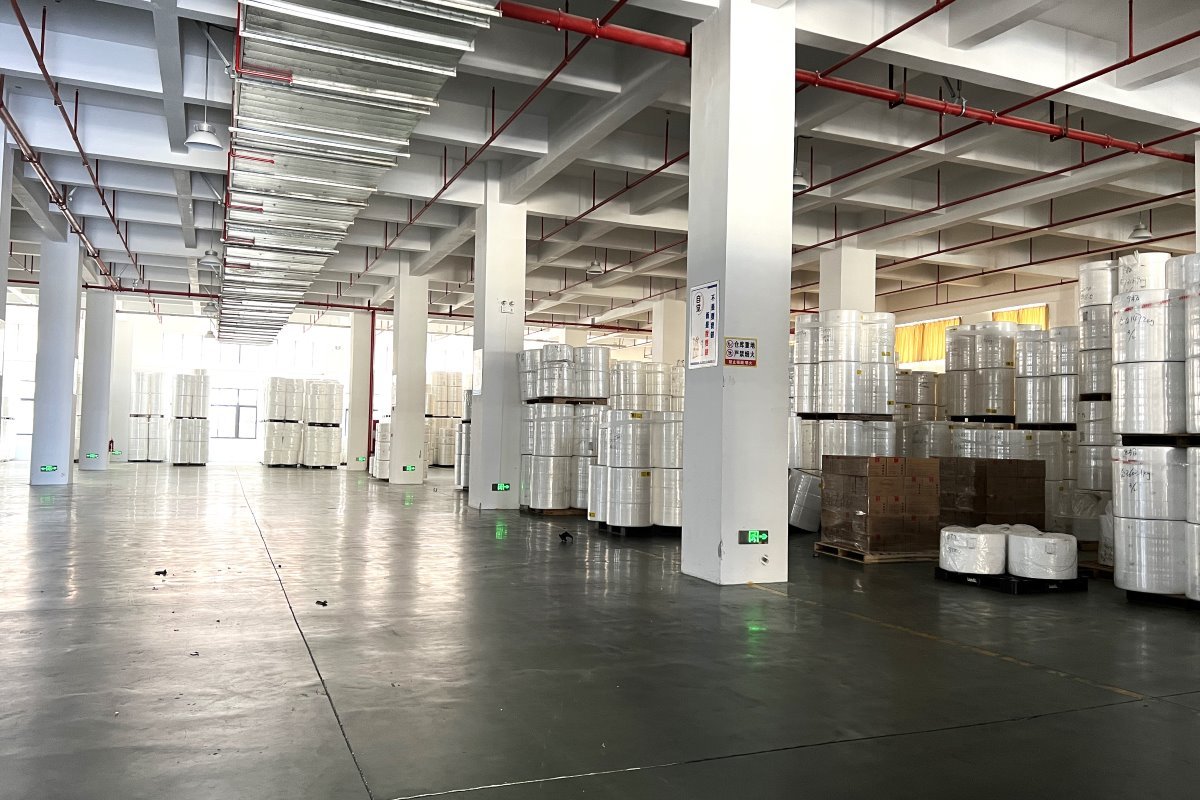
A sanitary pad manufacturer depends heavily on stable raw material sourcing.
Key materials include:
- SAP
- Μη υφασμένο ύφασμα
- PE backsheet film
- Release paper
- Κόλλες
- Packaging materials
Supply chain disruptions can lead to delayed shipments and unstable quality.
Professional OEM factories usually maintain long-term supplier relationships and inventory planning systems to reduce risks during busy seasons.
5. Communication Efficiency
One issue many importers face when sourcing overseas is poor communication.
Delays in artwork confirmation, packaging revisions, or production updates can create expensive problems.
Reliable manufacturers usually provide:
- Clear quotation details
- Fast sample feedback
- Organized production timelines
- Responsive sales support
- Transparent order updates
Efficient communication is especially important for private label projects where packaging and branding details must be managed carefully.
Trends Influencing the Private Label Sanitary Pad Market
B2B buyers should also pay attention to changing market trends when developing new product lines.
Softer and Skin-Friendly Materials
Consumers are paying more attention to comfort and breathability. Soft-touch topsheets and gentle materials are becoming increasingly important.
Premium Packaging
Modern feminine care products are expected to look cleaner and more professional on shelves and online stores.
Multi-Pack and Value Packaging
Retailers in many regions are looking for packaging formats that balance affordability and convenience.
Expansion of E-Commerce Sales
Online sales channels are influencing packaging design, shipping durability, and product presentation.
Greater Focus on Product Transparency
Consumers increasingly want clearer information about product materials and manufacturing quality.
These trends create opportunities for private label brands that work with manufacturers capable of adapting to market changes.
Common Mistakes Buyers Should Avoid
Choosing Only Based on Price
Extremely low pricing can sometimes indicate compromises in materials, production consistency, or service quality.
Long-term business success usually depends on balancing:
- Product quality
- Stable delivery
- Επικοινωνία
- Competitive pricing
- Brand reputation
Ignoring Packaging Details
Poor packaging can damage a brand even if the product itself performs well.
Before production starts, buyers should carefully confirm:
- Design files
- Language accuracy
- Barcode placement
- Carton information
- Packing quantities
Underestimating Lead Times
Production scheduling becomes especially important during peak seasons.
Planning ahead helps avoid:
- Shipping delays
- Stock shortages
- Higher freight costs
- Missed sales opportunities
Why Long-Term OEM Partnerships Matter
The most successful private label hygiene brands usually work with stable manufacturing partners over many years.
Long-term cooperation allows:
- Καλύτερος προγραμματισμός της παραγωγής
- More stable pricing
- Faster repeat orders
- Improved product consistency
- Easier new product development
A manufacturer that understands your market positioning can also provide better recommendations as your business grows.
At New EcoCare, we believe OEM cooperation should go beyond simple order processing. Our goal is to support customers with stable manufacturing, responsive communication, and practical private label solutions for long-term business development.
Quick Answers for Buyers
What is a sanitary napkin private label manufacturer?
A sanitary napkin private label manufacturer produces feminine hygiene products that can be customized with a customer’s own brand name, packaging, and product specifications.
What does an OEM sanitary pad producer provide?
An OEM sanitary pad producer typically offers product manufacturing, packaging customization, private label support, quality control, and export services for distributors and brand owners.
What should buyers check before choosing a sanitary pad supplier?
Buyers should evaluate manufacturing experience, quality control systems, customization ability, production capacity, communication efficiency, and supply chain stability.
Why do brands choose private label sanitary pads?
Private label products help businesses improve brand recognition, increase profit margins, control pricing, and build long-term customer loyalty.
Can sanitary pads be customized for different markets?
Yes. OEM manufacturers can customize absorbency, size, packaging, materials, and branding according to regional market preferences and customer requirements.
Τελικές σκέψεις
The feminine hygiene market continues to create opportunities for importers, wholesalers, retailers, and emerging private label brands. However, success in this industry depends heavily on choosing the right manufacturing partner.
A professional sanitary napkin private label manufacturer should provide more than production capacity alone. They should support quality stability, customization, packaging development, communication efficiency, and long-term supply reliability.
For businesses looking to build sustainable feminine hygiene brands, selecting an experienced OEM sanitary pad producer can become a major competitive advantage in both traditional retail and fast-growing online markets.
As global buyers continue searching for dependable OEM hygiene manufacturers through Google and AI-powered search platforms, companies that combine product quality, professional service, and flexible customization will continue standing out in the market.

 Greek
Greek  English
  Spanish
  Russian
  Arabic
  German
  French
  Italian
  Portuguese