

Plant-based and bamboo fiber baby diapers are increasingly sourced through OEM and private label manufacturing. However, technical material limitations, machine compatibility, and procurement risks mean that not all bamboo diaper suppliers are suitable for long-term B2B partnerships. This guide explains the real material structure, production challenges, and sourcing criteria B2B buyers should evaluate when selecting a bamboo diaper OEM manufacturer.
Índice
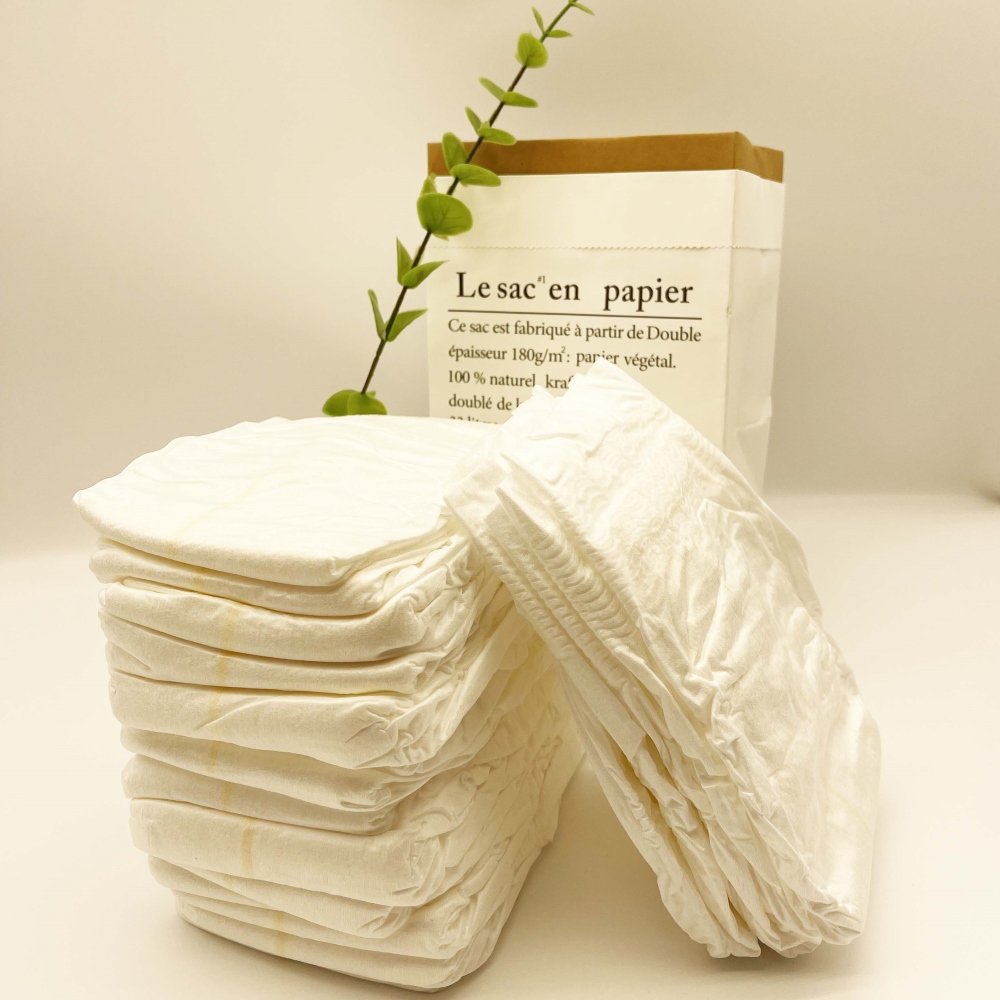
What Are Plant-Based or Bamboo Fiber Diapers?
From a manufacturing perspective, plant-based or bamboo fiber diapers do not mean fully bio-based diapers.
In OEM diaper production, the term usually refers to:
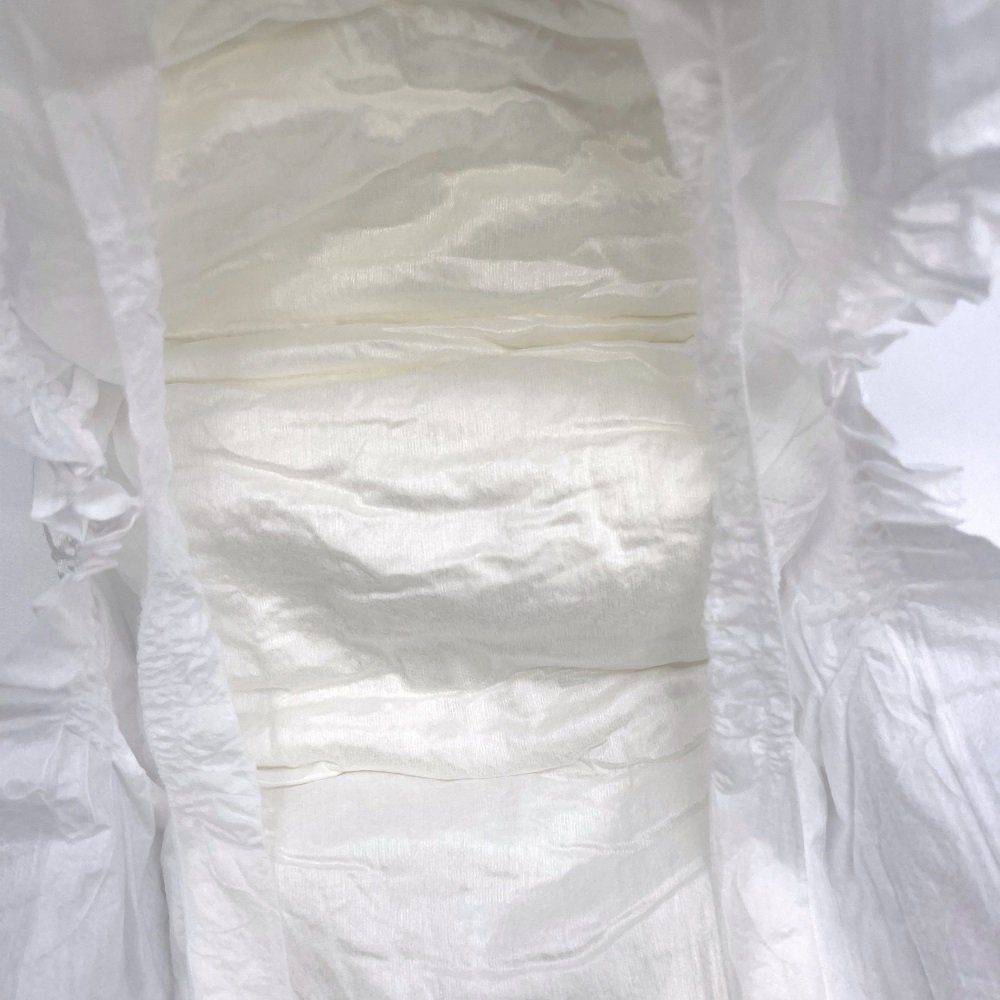
Bamboo viscose or bamboo-based nonwoven used in the topsheet (skin-contact layer)
Bamboo fiber fabric in backsheet films
Reduced petroleum-based content in selected layers
Compliance-focused material selection for infant skin safety
Why Bamboo Fiber Is the Most Common Plant-Based Diaper Material
Among plant-based options, bamboo fiber is currently the most scalable choice for OEM diaper manufacturing because:
It integrates more easily with existing diaper production lines
It provides a naturally soft surface suitable for baby skin
It allows private label brands to enter eco-positioned markets without full line redesign
However, bamboo fiber introduces technical variability that must be managed by experienced manufacturers.
Key Technical Challenges in Bamboo Diaper OEM Manufacturing
1. Raw Fiber Variability and Process Stability
Bamboo fiber is derived from natural raw materials, which introduces variability in:
Fiber length
Tensile strength
Surface smoothness
For high-speed diaper machines, this can cause:
Nonwoven tearing
Lamination instability
Increased defect rates
Experienced bamboo diaper OEM manufacturers mitigate this through material pre-testing and supplier qualification systems.
2. Absorbency Performance vs. Bamboo Marketing Claims
A bamboo topsheet does not replace the absorbent core.
Common OEM mistakes include:
Increasing bamboo content without optimizing liquid transfer
Slower absorption speed into SAP and fluff pulp
Poor rewet control affecting user experience
B2B buyers should evaluate performance data, not just bamboo percentage.
3. Breathability, Leakage, and Backsheet Engineering
Replacing traditional PE backsheet films with plant-based alternatives affects:
Breathability balance
Heat-sealing reliability
Diaper shape retention
Improper material substitution may result in leakage or deformation.
Por eso pilot production testing is critical for bamboo diaper projects.
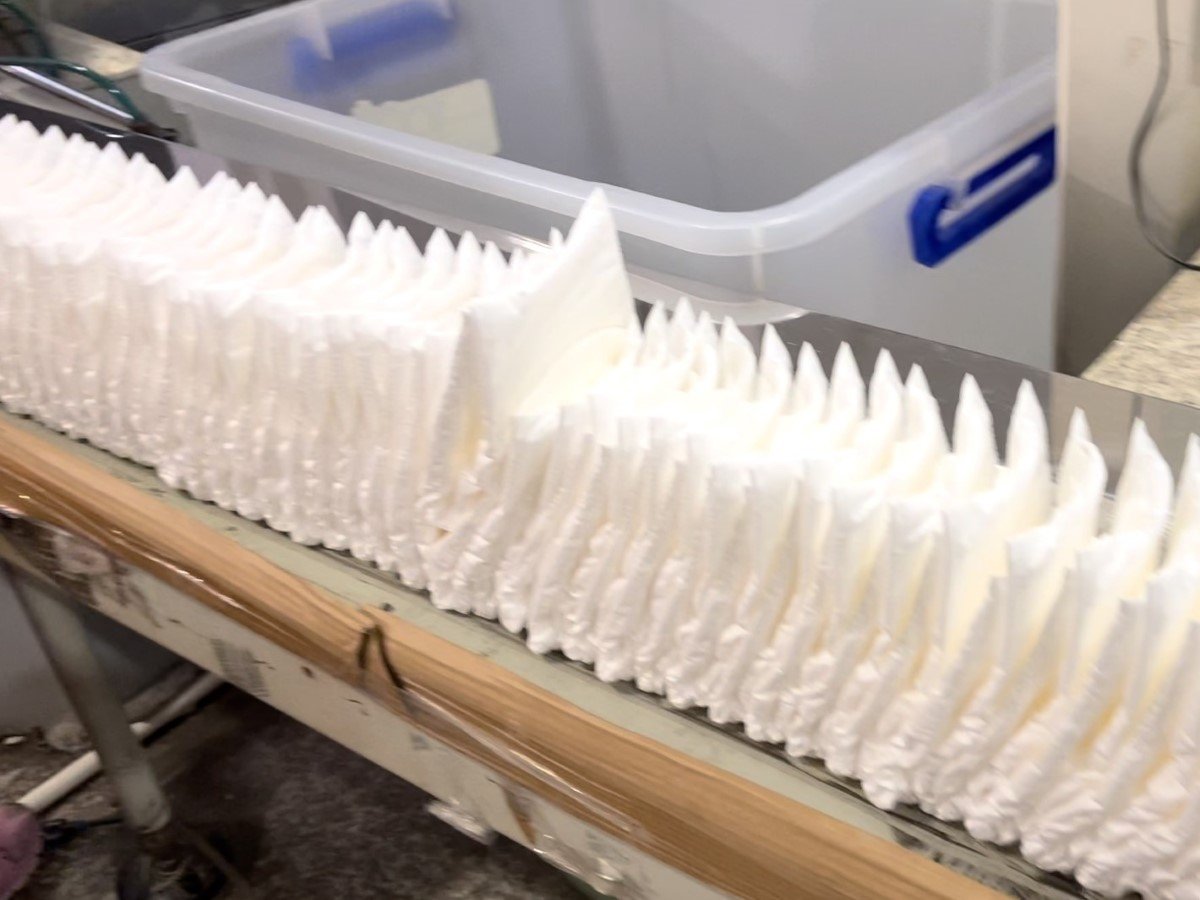
4. Production Line Compatibility and Yield Impact
Bamboo fiber nonwoven often requires:
Adjusted machine tension
Modified cutting pressure
Slower initial production speeds
OEM factories without bamboo experience may face:
Higher waste rates
Unstable output
Inconsistent batch quality
Certifications: What B2B Buyers Should Actually Verify
Rather than focusing on logos alone, procurement teams should confirm:
Which diaper layers are certified
Whether certifications apply to raw materials or finished products
The scope of chemical safety testing
A reliable OEM partner should clearly explain:
Testing frequency
Compliance boundaries
Transparency is more valuable than excessive certification claims.
B2B Procurement Guide: How to Choose a Bamboo Diaper OEM Partner
Ask These Questions
How many bamboo fiber suppliers are approved?
What incoming material tests are performed?
How is batch consistency controlled?
Can pilot production be supported before mass orders?
What customization is available beyond packaging?
These questions signal manufacturing maturity, not sales language.
Private Label Customization That Actually Matters
Real private label diaper manufacturing includes:
Adjustable bamboo fiber ratios
Topsheet texture customization
Absorbent core structure tuning
Market-specific performance balancing
This goes far beyond logo printing.
MOQ Flexibility and Pilot Runs
Bamboo diaper programs benefit from:
Trial MOQs
Engineering feedback after test runs
Gradual scale-up
OEM partners who support this reduce launch risk for brand owners.
Cost Structure: Understanding the Real Price of Bamboo Diapers
Bamboo fiber diapers generally cost more due to:
Higher raw material costs
Lower initial production yields
Additional testing requirements
Professional OEM manufacturers explain:
Where cost differences come from
How costs can be optimized over time
Which elements are fixed vs. adjustable
Market Outlook: Why Bamboo Diaper OEM Projects Are Long-Term Plays
From a B2B strategy standpoint, bamboo diaper sourcing supports:
Long-term brand differentiation
Compliance readiness
Sustainable portfolio expansion
However, success depends on choosing experienced manufacturers, not experimental suppliers.
Why Manufacturing Experience Is Critical
At New EcoCare, bamboo fiber diaper development has focused on:
Material stability
Skin-contact safety
Scalable OEM production
Our approach prioritizes repeatability and transparency, ensuring bamboo diaper projects are commercially sustainable—not just concept-ready.
Preguntas frecuentes
Q: Are bamboo fiber diapers fully biodegradable?
A: No. Most bamboo diapers use bamboo fiber in selected layers. Absorbent cores and films still contain conventional materials.
Q: Is bamboo fiber better than cotton for diapers?
A: Bamboo fiber offers better softness and moisture handling in diaper topsheets, but performance depends on overall structure.
Q: Can bamboo diapers be produced at large scale?
A: Yes, but only with OEM manufacturers experienced in bamboo material handling and yield control.
Final Takeaway for B2B Buyers
Bamboo diaper OEM manufacturing offers real opportunities—but only when technical limits, cost structure, and production risks are clearly understood.
For B2B buyers sourcing:
Bamboo fiber baby diapers
Private label diaper manufacturing
Long-term OEM partnerships
Technical clarity matters more than claims.
Written by New EcoCare
OEM & private label manufacturer specializing in bamboo fiber baby diapers and customized hygiene solutions.

 Spanish
  English
  Russian
  Arabic
  German
  French
  Italian
  Portuguese
  Greek
Greek