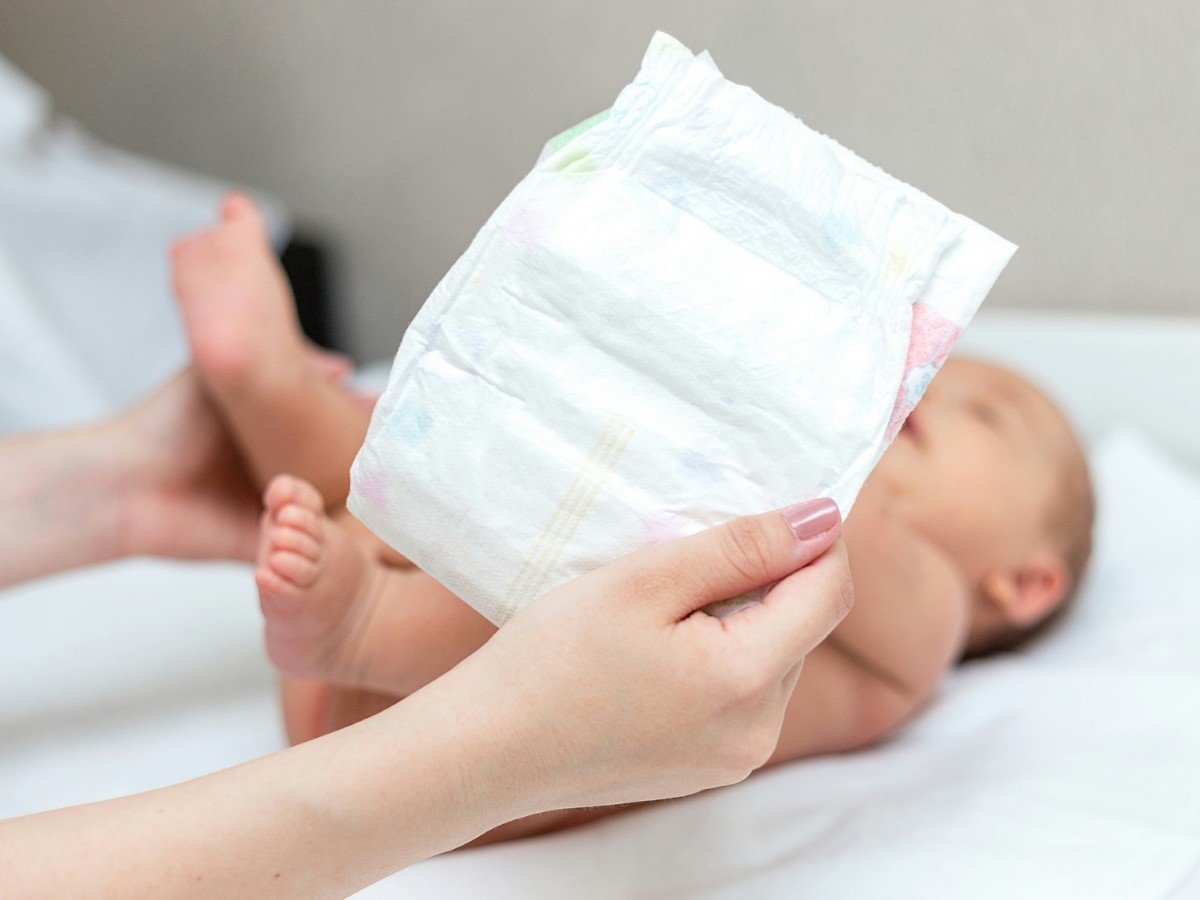
Retailers are shifting from low-cost diaper competition to high-margin strategies driven by product differentiation, branding, and OEM customization. Partnering with a flexible diaper OEM manufacturer allows brands to increase profitability through premium features, optimized packaging, and targeted positioning—without relying on price cuts.
Índice
Introduction: The End of the “Cheapest Wins” Era
For years, the diaper category has been trapped in a race to the bottom.
Retailers pushed for lower prices. Suppliers competed on cost. Margins shrank—quietly, but consistently.
At first, it worked. Lower prices attracted volume. But over time, something changed. Consumers became more selective. Retailers faced rising operational costs. And suddenly, selling more didn’t always mean earning more.
Today, many distributors and brand owners are asking a different question:
“How do we improve margins instead of just chasing volume?”
That’s where high-margin diaper strategies come in. And increasingly, they are being built through smarter collaboration with a diaper OEM manufacturer, not just cheaper sourcing.
Why Low-Price Strategies Are No Longer Sustainable
1. Cost Pressure Is Rising Across the Supply Chain
Raw materials, logistics, compliance—none of these are getting cheaper in the long term. Even when prices fluctuate, the overall trend is upward.
If your business model relies only on low-cost products, your margins are constantly exposed.
2. Price Competition Is Easy to Copy
A lower price is not a competitive advantage. It’s a temporary tactic.
Competitors can match or undercut pricing quickly, especially in saturated markets. This creates a cycle where everyone loses margin, but no one gains loyalty.
3. Consumers Are No Longer Purely Price-Driven
Modern consumers—especially in baby care—look beyond price:
- Skin-friendliness
- Absorbency performance
- Brand trust
- Packaging appeal
This creates space for differentiation—and higher margins.
What Defines a High-Margin Diaper Product?
A high-margin diaper is not simply “more expensive.” It is a product that justifies its price through clear, tangible value.
In B2B terms, this often comes down to how well the product is designed and positioned.
Key Characteristics Include:
1. Performance-Driven Design
- Better absorption efficiency
- Reduced leakage complaints
- Softer top sheets
These improvements reduce returns and increase repeat purchases.
2. Clear Product Segmentation
Instead of offering one generic SKU, successful brands create tiers:
- Standard line
- Premium line
- Specialty line (overnight, sensitive skin, etc.)
This allows retailers to capture different customer segments at different price points.
3. Packaging That Supports Premium Positioning
Packaging is often underestimated in OEM projects. But in retail environments, it directly influences perceived value.
A well-designed private label package can justify a higher price without changing the core structure significantly.
The Role of OEM Manufacturing in Margin Expansion
This is where many businesses miss the opportunity.
They focus on negotiating unit price—but overlook how a capable OEM diaper factory can help improve overall profitability.
1. Customization Creates Differentiation
Working with an experienced private label diaper manufacturer allows brands to:
- Adjust material combinations
- Introduce unique features
- Develop exclusive SKUs
This makes the product harder to compare directly with competitors.
2. Flexible Production Supports Tiered Pricing
OEM partners can help create multiple product lines with controlled cost differences, enabling:
- Entry-level products for traffic
- Premium products for margin
This balance is critical in retail strategy.
3. Packaging and Branding Integration
Instead of treating packaging as an afterthought, OEM collaboration allows:
- Retail-ready designs
- Market-specific branding
- Efficient packaging formats
All of which contribute to higher perceived value.
How Retailers Are Shifting Toward Margin-Focused Strategies
Across different markets, a clear pattern is emerging.
Retailers are no longer relying on a single “hero SKU” at the lowest price. Instead, they are building structured product portfolios.
A Typical Shift Looks Like This:
| Strategy Element | Traditional Model | High-Margin Model |
|---|---|---|
| Gama de productos | Single low-cost SKU | Multi-tier product lines |
| Pricing Focus | Lowest possible | Value-based pricing |
| Supplier Role | Cost provider | Strategic OEM partner |
| Embalaje | Basic | Differentiated & branded |
| Profit Source | Volume | Margin + repeat purchase |
This shift doesn’t happen overnight. But once implemented, it creates a more stable and scalable business model.
Common Mistakes When Trying to Increase Margins
Not every attempt to move “upmarket” succeeds. In fact, some strategies backfire.
Here are a few common pitfalls:
1. Adding Features Without Strategy
More features don’t automatically mean higher margins. If customers don’t understand the value, they won’t pay for it.
2. Ignoring Cost Structure Balance
Premium positioning should be supported by controlled cost increases—not excessive ones.
3. Weak Branding Execution
Even a well-designed product can fail if packaging and messaging don’t communicate its value clearly.
4. Choosing the Wrong OEM Partner
Not all manufacturers are equipped for customization or strategic collaboration.
A true diaper OEM supplier should offer more than production—they should support product development and positioning.
Where High Margins Actually Come From
It’s important to clarify: margins are not created by price alone.
They come from a combination of factors:
1. Reduced Price Sensitivity
When products are differentiated, customers compare less on price.
2. Lower Return and Complaint Rates
Better product performance reduces hidden costs.
3. Stronger Brand Loyalty
Consumers are more likely to repurchase products they trust.
4. Efficient SKU Management
Tiered product lines allow better inventory control and pricing flexibility.
How New EcoCare Supports High-Margin Diaper Strategies
En Nuevo EcoCare, we’ve seen a clear shift in what B2B clients are asking for.
It’s no longer just:
“Can you offer a lower price?”
Instead, it’s:
“How can we build a better product line that sells at a higher margin?”
Our Approach Focuses on:
1. Structured Product Development
We help clients define:
- Entry-level vs premium positioning
- Feature allocation
- Cost-performance balance
2. OEM Customization Capabilities
From materials to packaging, we support tailored solutions that align with your target market.
3. Practical, Market-Oriented Design
We don’t overcomplicate products. Instead, we focus on changes that actually impact consumer perception and retail performance.
4. Long-Term Partnership Thinking
High-margin strategies are not one-time adjustments—they require ongoing optimization.
Looking Ahead: The Future of Diaper Retail
The diaper market is not becoming less competitive. If anything, competition is increasing.
But the nature of competition is changing.
Instead of competing only on price, successful brands will compete on:
- Product clarity
- Consumer trust
- Retail presentation
- Supply chain flexibility
And behind all of this, OEM manufacturing will play a bigger role than ever before.
Conclusion: From Cost Control to Value Creation
Escaping the “low price trap” is not about abandoning cost control.
It’s about shifting focus—from minimizing cost to maximizing value.
For B2B buyers, distributors, and brand owners, this means:
- Rethinking product strategy
- Investing in differentiation
- Choosing the right OEM partner
Because in today’s market, the most successful diaper brands are not the cheapest ones.
They’re the ones that understand how to build—and sustain—margin.

 Spanish
  English
  Russian
  Arabic
  German
  French
  Italian
  Portuguese
  Greek
Greek