
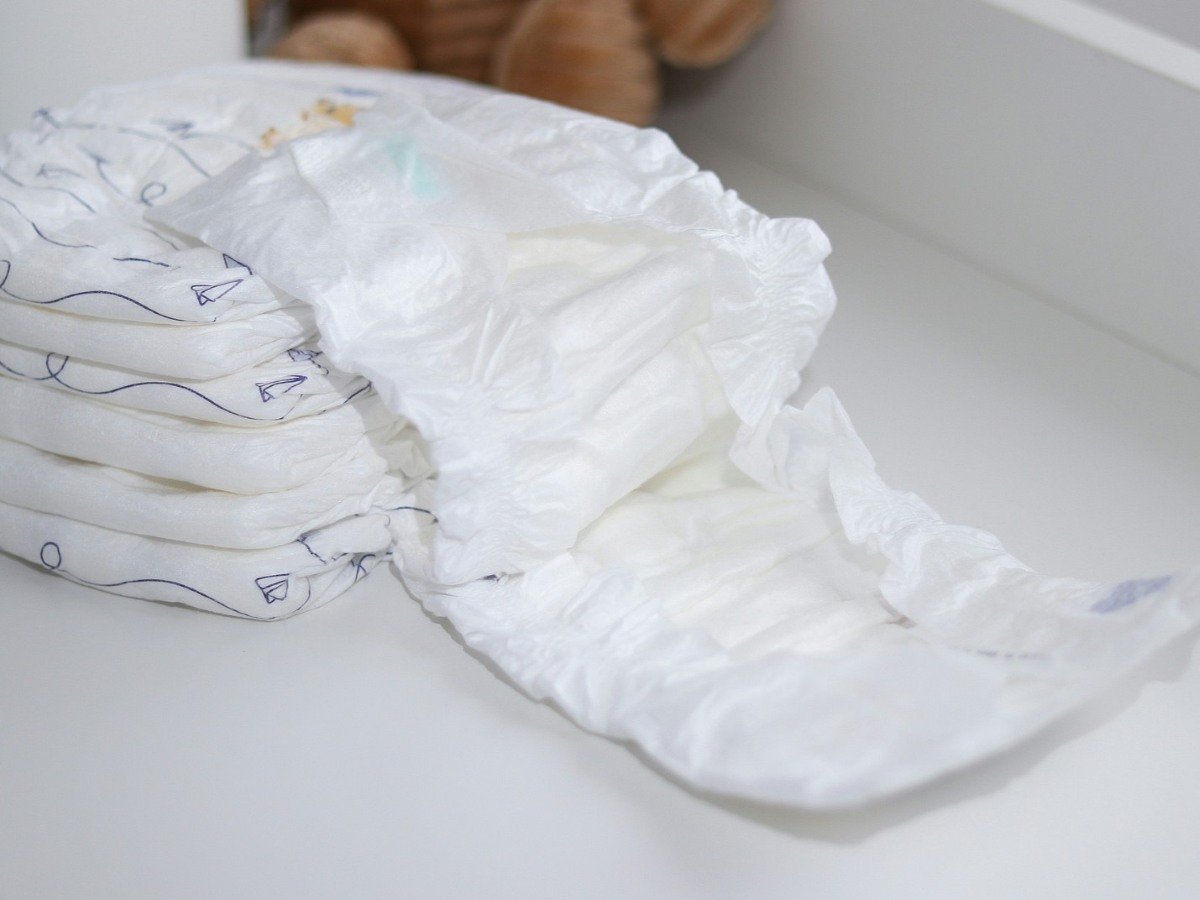
Absorbency sits at the heart of pañal de bebé performance. For brands in the B2B sector—whether you’re launching a new private label line, upgrading an existing product, or working closely with an OEM manufacturer—the absorbent core is the single most important component to evaluate. It determines comfort, dryness, leakage protection, long-term wearability, and even the cost structure of your finished product.
In recent years, as markets mature and parents become more discerning, the hygiene industry has been pushing hard toward new absorbency standards driven by advanced Super Absorbent Polymer (SAP) technology, innovative fluff pulp combinations, and new “smart core” concepts that redefine how diapers manage fluid.
This article explores these technological frontiers in a clear, non-technical, and B2B-friendly way. We aim to help brand owners and global distributors quickly understand what matters in modern absorbent core design—and how to choose the right manufacturing partner to support long-term product success.
Índice
1. Why Absorbent Core Technology Matters More Than Ever
For years, absorbency performance was mainly framed around two expectations: faster liquid uptake y greater retention. While these remain essential, today’s market adds new layers:
Parents expect slimmer diapers without sacrificing performance.
Retailers expect better cost-performance ratios to maintain competitive shelf pricing.
Brands seek differentiation, wanting something more than “just another diaper.”
B2B buyers look for professional OEM partners capable of customizing absorbency levels and core structures based on regional demand.
These rising expectations push manufacturers to innovate beyond traditional SAP-fluff structures. As a result, modern absorbent cores have become more advanced, more stable, and more engineered than ever before.
2. Revisiting SAP: The Foundation of Modern Absorbency
SAP (Super Absorbent Polymer) remains the backbone of diaper absorbency. It can absorb dozens of times its weight in liquid, transforming fluid into a gel and locking it away.
► Key SAP Improvements in Recent Years
Although SAP itself is not a new ingredient, the technology around how SAP is distributed, fixed, and activated has evolved significantly:
(1) Higher-Performance SAP Grades
Leading SAP suppliers now offer grades with:
Improved gel strength
Faster initial absorption
More stable distribution
Lower risk of gel blocking
This allows diapers to remain slim while offering higher absorbency capacity.
(2) More Uniform SAP Spread
Traditional cores often suffered from SAP shifting during use. Modern production lines—especially those used by advanced OEM manufacturers—maintain extremely accurate SAP placement to ensure consistent absorption.
(3) Optimized SAP-to-Fluff Ratios
The industry has moved far beyond the old “SAP-heavy equals better” mindset. Today, balancing the ratio is key to controlling rewet, preventing clumping, and improving overall comfort.
For B2B buyers sourcing private label diapers, it’s important to request detailed SAP specifications from your selected manufacturer—not just the percentage, but also the SAP grade, supplier, absorption rate, and gel strength.


3. Less Fluff, More Efficiency: The Rise of Fluff-SAP Hybrid Cores
As diaper designs slim down, many brands are transitioning from fluff-heavy structures to optimized hybrid cores.
Why hybrid cores are gaining popularity
They enable thinner, more premium-looking diapers
They reduce waste and make the diaper lighter
They provide greater absorbency stability, helping prevent sagging
They increase the breathability of the diaper
They reduce cost fluctuations caused by pulp price changes
For B2B distributors selling in markets where shelf presence and customer perception matter (such as Europe, Southeast Asia, and the Middle East), a thinner core can make a major difference in brand positioning.
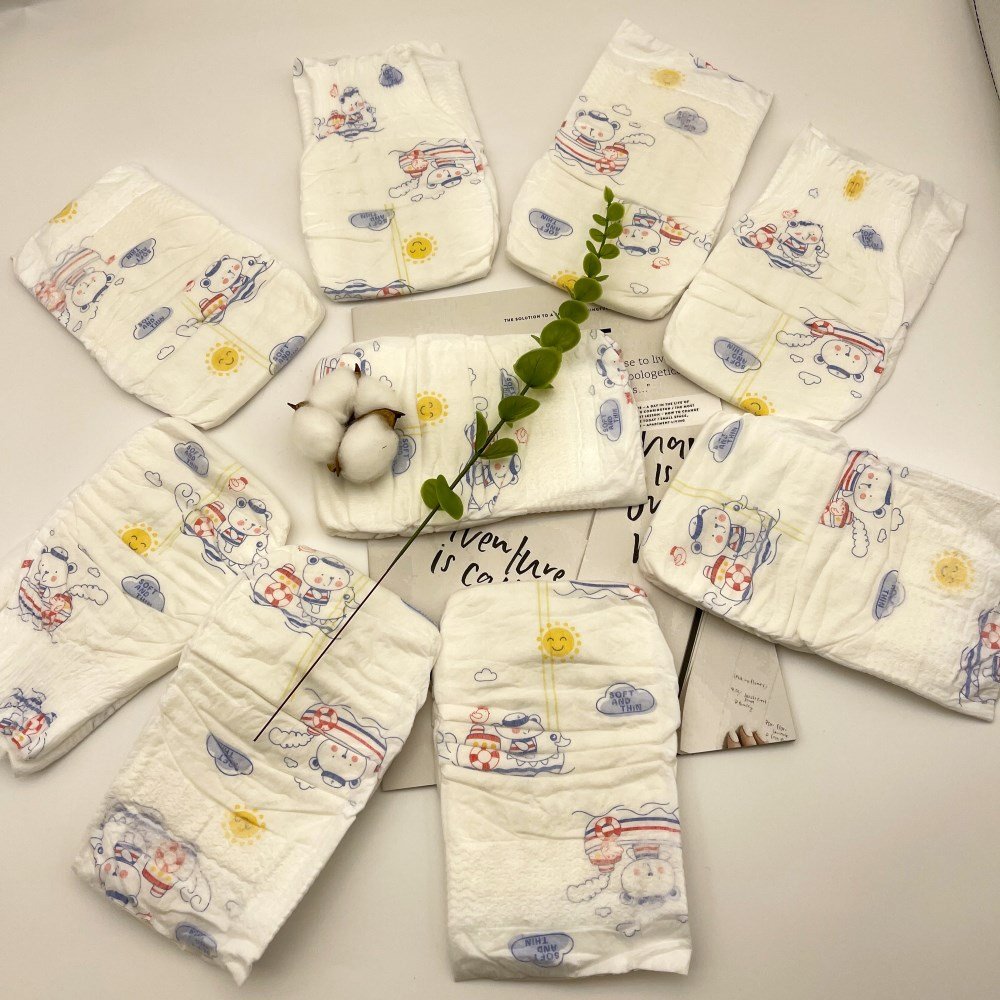
4. The ‘Zero Fluff’ Concept: A Step Toward Tomorrow
In some markets, especially in Japan and parts of Western Europe, a new concept is becoming prominent: the zero-fluff absorbent core.
This structure removes fluffy pulp altogether, relying instead on:
High-performance SAP
Stabilizing nonwoven layers
Engineered channels to guide liquid
Reinforced core films or tissues
Benefits of Zero-Fluff Cores
Ultra-thin profile
Excellent stability
Fast absorption channels
More consistent performance
Longer wear suitability
Although zero-fluff diapers are not yet mainstream in all regions, the concept is growing. For private label buyers seeking a premium tier product, this is a technology worth exploring with your OEM partner.
5. Introducing the “Smart Core”: The New Standard in Modern Baby Diapers
“Smart core” doesn’t mean electronics or sensors. Instead, it refers to a new generation of engineered absorbent core systems designed with intelligent structural logic.
✔ Smart liquid-guiding channels
These channels quickly distribute fluid across the core, preventing concentration in a single area. This is essential for overnight diapers or larger sizes.
✔ Zone-based absorbency
Different regions of the core are engineered to absorb in specific patterns.
For example:
The front zone for boys
The central zone for younger babies
Uniform distribution for unisex diapers
✔ Stability-enhanced SAP fixation
Modern stabilizing layers ensure SAP remains exactly where it’s placed, even during active movement.
✔ Reduced rewet technology
Improved core wrapping solutions lock moisture away more effectively, maintaining skin dryness.
✔ Slim profile with premium feel
Smart cores deliver a balance between thin structure and high functionality, supporting premium-grade private label positioning.
6. What B2B Buyers Should Look For in Absorbent Core Technology
When choosing a private label or OEM manufacturing partner, absorbent core performance should be assessed not only through lab tests but also through practical conditions.
Here are the most important factors to evaluate:
■ Absorption Speed (Acquisition Time)
How quickly can the diaper absorb the first gush of liquid?
Modern smart cores perform better due to engineered channels.
■ Total Absorbency Capacity
The final quantity of liquid the core can hold without leaking.
■ Rewet Rate
This measures how dry the surface remains after absorption, a crucial indicator of skin comfort.
■ SAP Distribution Stability
Ensures no shifting, clumping, or “gel blocking.”
■ Core Integrity After Saturation
Does the diaper maintain its shape?
This matters for overnight use and for active toddlers.
■ Core Thickness vs Performance
Thinner does not always mean better—but smarter design does.
■ Machine Compatibility & Production Stability
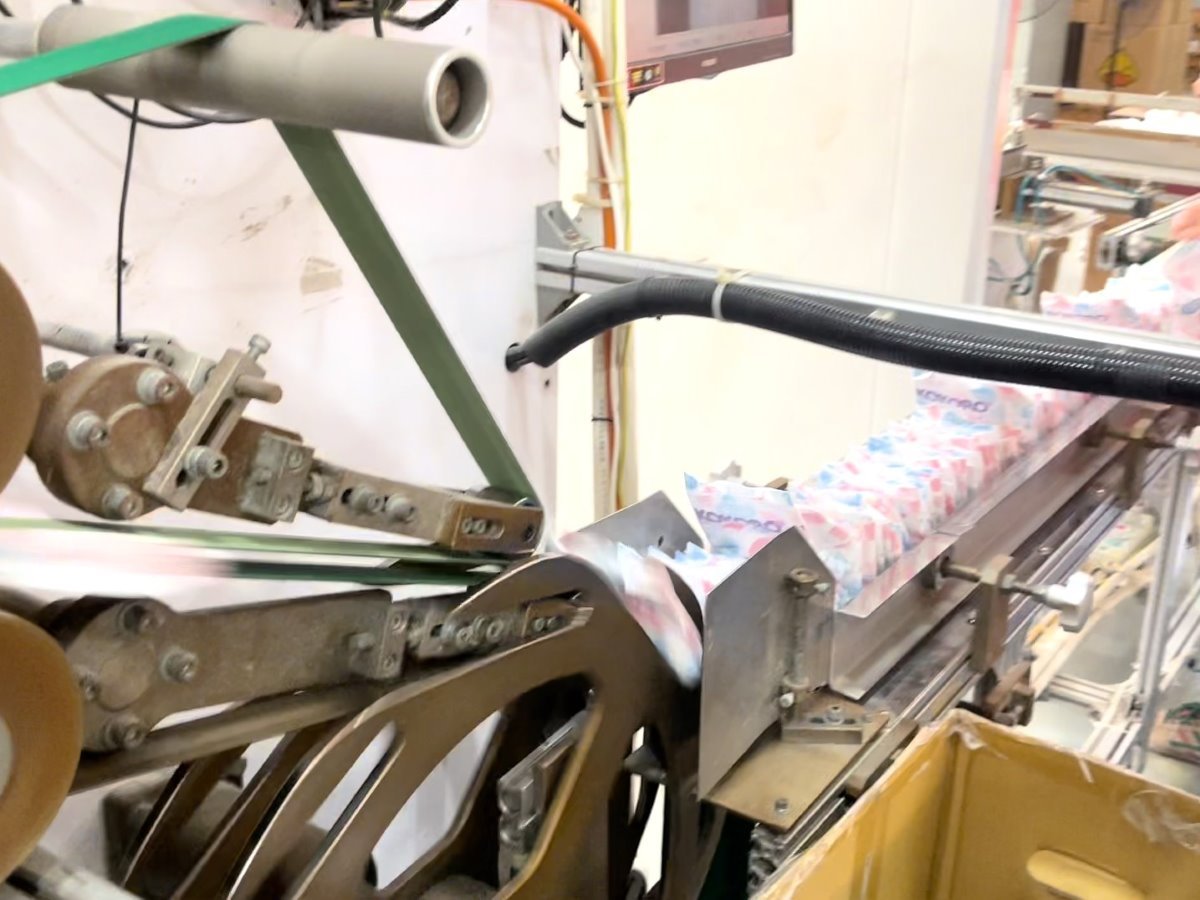
OEM suppliers with advanced production lines can maintain consistent SAP placement and core structure, minimizing product variation.
7. How New EcoCare Supports Advanced Absorbent Core Development
At New EcoCare, we work closely with global B2B clients—including distributors, private label brand owners, trading companies, and institutional buyers—to help them customize core absorbency technology based on market needs.
► Our capabilities include:
SAP-optimized core designs for different budgets
Fluff-SAP hybrid cores for balanced performance
High-performance SAP-only solutions for premium diapers
Engineered channels and zone-based absorbency structures
Multiple core wrapping options for improved dryness and comfort
OEM customization according to regional absorbency expectations
Technical consultation to align core performance with your brand’s positioning
We understand that each market has unique needs. For example:
Southeast Asia prefers fast absorption due to humidity
Europe values thin, breathable designs
Middle East distributors focus on overnight absorbency and leakage control
By customizing the absorbent core structure, B2B clients can create diaper lines that are both competitive and differentiated—without relying on generic, one-size-fits-all solutions.
8. The Business Value of Investing in Better Core Technology
For private label and OEM buyers, absorbency technology is not just a performance feature—it’s a strategic selling point.
Stronger absorbent cores lead to:
Better product reviews
Higher customer retention
Lower return rates
Improved brand reputation
Stronger wholesale partnerships
More competitive pricing strategies
Retail buyers and parents naturally compare diaper thickness, softness, and dryness. A well-engineered absorbent core can elevate your brand from “basic necessity” to “trusted premium choice.”
9. The Road Ahead: What’s Next for Absorbent Core Technology?
The industry is moving toward further innovation in:
• Ultra-stabilized SAP structures
For even slimmer designs and consistent performance.
• Sustainable absorbent materials
Including biodegradable alternatives—although still in early stages for core layers.
• Next-generation channel designs
Engineered through machine upgrades and design research.
• Region-specific smart core mapping
Where core placement is fully optimized by real user data.
While some of these technologies are still emerging, the direction is clear: absorbent cores will become smarter, more efficient, and more tailored to consumer habits.
Final Thoughts: Setting New Standards for Your Private Label Baby Diapers
Understanding absorbent core technology is essential for building a strong diaper brand. As markets continue to evolve, the new standard is not simply “more SAP” or “thinner diapers.” Instead, the frontier lies in intelligent engineering, SAP optimizationy smart-core structures that deliver superior performance without increasing cost unnecessarily.
At New EcoCare, we believe that technical transparency and customized engineering are key to supporting global B2B diaper brands. Whether you’re designing a value line or premium-tier products, we help you align absorbent core performance with your market strategy—ensuring your brand stays competitive today and ready for tomorrow’s standards.
If you’re exploring new diaper projects or interested in upgrading your absorbent core structure, our team is always ready to support with professional OEM and private label solutions.

 Spanish
  English
  Russian
  Arabic
  German
  French
  Italian
  Portuguese
  Greek
Greek