Launching a private label baby diaper brand does not mean you need to develop every part of a diaper from scratch.
In most OEM projects, the more important question is: what should you customize, and what should you keep standard?
Your decisions about absorbency, materials, size, fit, product features, diaper design, packaging, and pack configuration can all affect the final product. They can also affect sampling, MOQ, production planning, logistics, and cost.
For a new baby care brand, it is easy to focus on the logo and packaging first. But a successful private label diaper is built much earlier — by deciding what the product needs to do for your target customers.
This guide explains the main areas you can customize with an OEM baby diaper manufacturer and, more importantly, what you should consider before making those decisions.
Table of Contents
1. What Are Private Label Baby Diapers?
Private label baby diapers are products manufactured by an OEM supplier and sold under your own brand.
Instead of investing in your own diaper production facility, you work with a manufacturer to develop a product that matches your target market, price positioning, and brand requirements.
Depending on the manufacturer, customization may include:
- Diaper structure
- Absorbency
- Materials
- Size and fit
- Functional features
- Diaper artwork
- Packaging
- Pieces per pack
- Carton configuration
- Brand information
However, private label does not mean that every component has to be customized.
For many brands, the smarter approach is to customize the parts that create meaningful product differentiation while keeping other specifications practical for production.
If you are still comparing suppliers, start with our guide on how to choose the right OEM baby diaper manufacturer before discussing detailed product specifications.
2. What Should You Customize First?
Before discussing individual components with your manufacturer, define your product positioning.
Ask yourself:
- Who will buy the product?
- What price segment are you targeting?
- What makes your diaper different?
- Is softness more important than maximum absorbency?
- Is sustainability part of your brand positioning?
- Which sizes will you launch first?
- How many pieces should each pack contain?
- How much inventory can you realistically manage?
A simple customization priority can help:
| Customization Area | Priority | Why It Matters |
|---|---|---|
| Absorbency & core | High | Directly affects performance |
| Size & fit | High | Affects comfort and leakage protection |
| Materials | High | Supports product positioning |
| Functional features | High | Can improve user experience |
| Packaging | High | Communicates your brand |
| Diaper artwork | Medium | Builds brand recognition |
| Carton configuration | Medium | Affects logistics and inventory |
| Special features | Depends | Should match your target market |
The goal is not to make the most customized diaper possible.
The goal is to make the right diaper for your market.
3. Product Structure and Absorbency
The absorbent core is one of the most important areas to discuss with your OEM manufacturer.
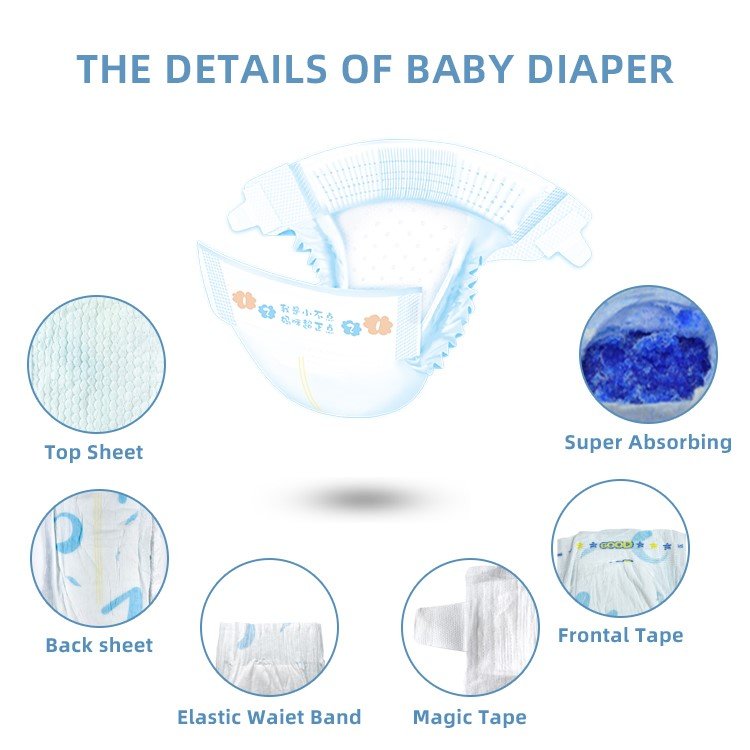
A diaper’s performance depends on how its absorbent materials and other layers work together. Depending on the product model, this may involve fluff pulp, SAP, acquisition layers, topsheet, backsheet, leak guards, and elastic components.
When discussing the absorbent structure, consider the actual use case rather than simply asking for the highest possible absorbency.
For example, a diaper intended for everyday daytime use may have different requirements from a product positioned for overnight protection.
Discuss:
- Target absorbency
- Core structure
- SAP level
- Fluff pulp usage where applicable
- Diaper thickness
- Rewet performance
- Leakage protection
- Target retail price
There is usually a trade-off between performance, material usage, thickness, and cost.
That is why sample development matters.
Your manufacturer can recommend a suitable structure, but the final decision should be based on actual sample performance and your target market.
For a closer look at available baby diaper solutions, you can also review New EcoCare’s baby diaper products.
4. Materials and Functional Features
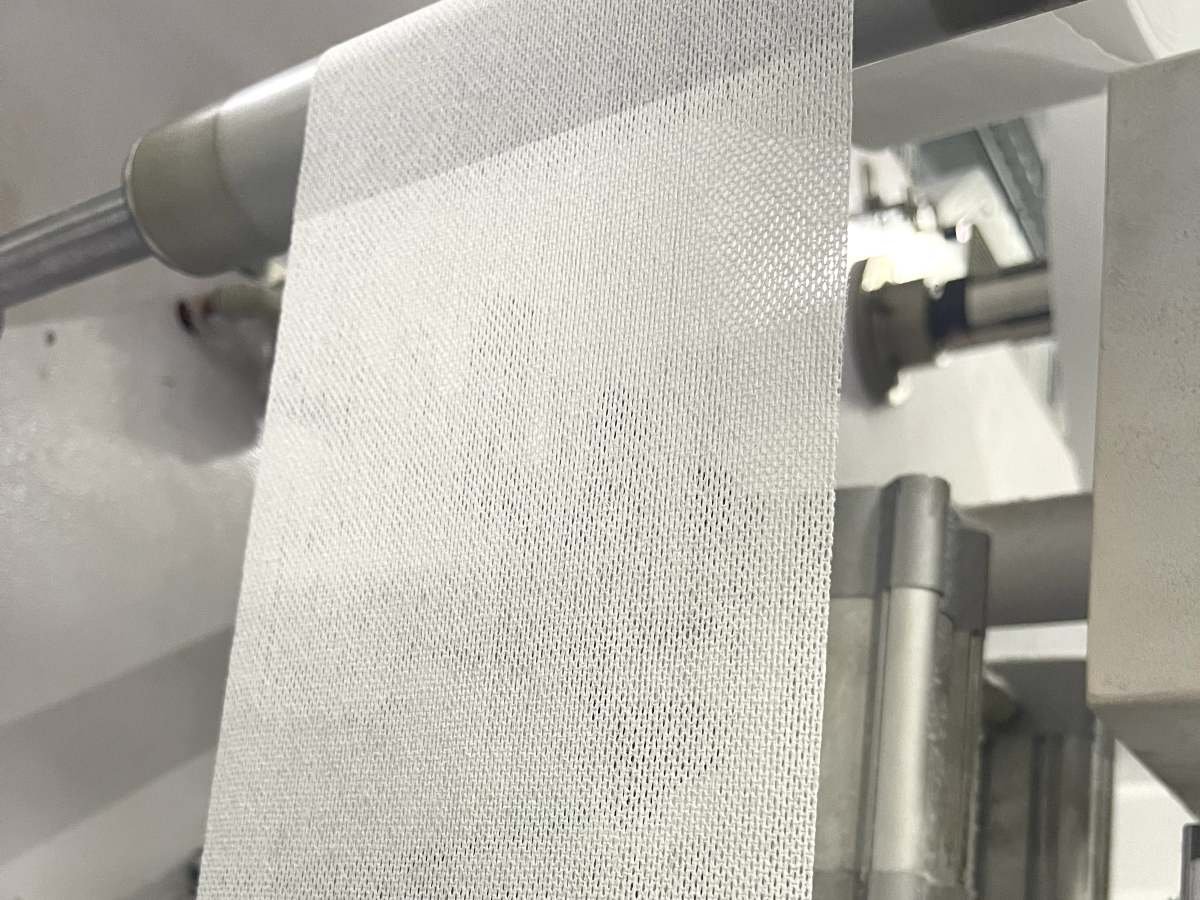
Materials are another area where private label brands can differentiate their products.
Typical diaper components include:
- Topsheet
- Absorbent core
- Backsheet
- Elastic materials
- Fastening system
- Leak guards
- Waistband
You may be able to customize the material selection depending on the product model and your positioning.
For example, a brand focused on softness may prioritize the surface feel of the topsheet. A sustainability-focused brand may explore bamboo viscose options for selected diaper constructions.
Functional features can also be discussed with your manufacturer, including:
- Wetness indicators
- Elastic waistband
- Leg cuffs
- Leak guards
- Fastening systems
- Breathable backsheet
- Printed backsheet
The important point is to connect each feature with a real customer benefit.
Adding more features does not automatically create a better product.
For brands considering a sustainability-oriented product line, New EcoCare also offers bamboo baby diapers with OEM and private label customization options.
5. Sizes and Product Range
Size selection is one of the decisions that can directly affect your inventory.
You do not necessarily need to launch every size when entering a new market.
Depending on your target customers, you might start with a core range such as:
- Newborn
- Small
- Medium
- Large
- XL
Your final range should consider:
- Local baby weight ranges
- Retail requirements
- Consumer purchasing habits
- Expected sales volume
- MOQ per size
- Inventory capacity
- Market positioning
Fit is also important.
A size chart that works well in one market may not perfectly match another market’s consumer expectations. For this reason, size dimensions should be confirmed during sample development.
If you are planning to expand your baby care range beyond traditional taped diapers, you can also consider baby training pants as a complementary product category.
6. Diaper Design and Appearance
The diaper itself can also become part of your brand identity.
Depending on the production setup, you may be able to customize:
- Backheet printing
- Diaper patterns
- Logo placement
- Graphic elements
- Color combinations
- Waistband appearance
- Wetness indicator design
Think about the relationship between the diaper and the rest of your brand.
For example, a premium baby care brand may choose a simple and understated design, while a children’s brand may use brighter colors and playful patterns.
The design should feel consistent with your packaging and overall brand positioning.
This is especially important for private label products because the diaper should not feel like a generic product placed inside a custom bag.
7. Packaging and Brand Design
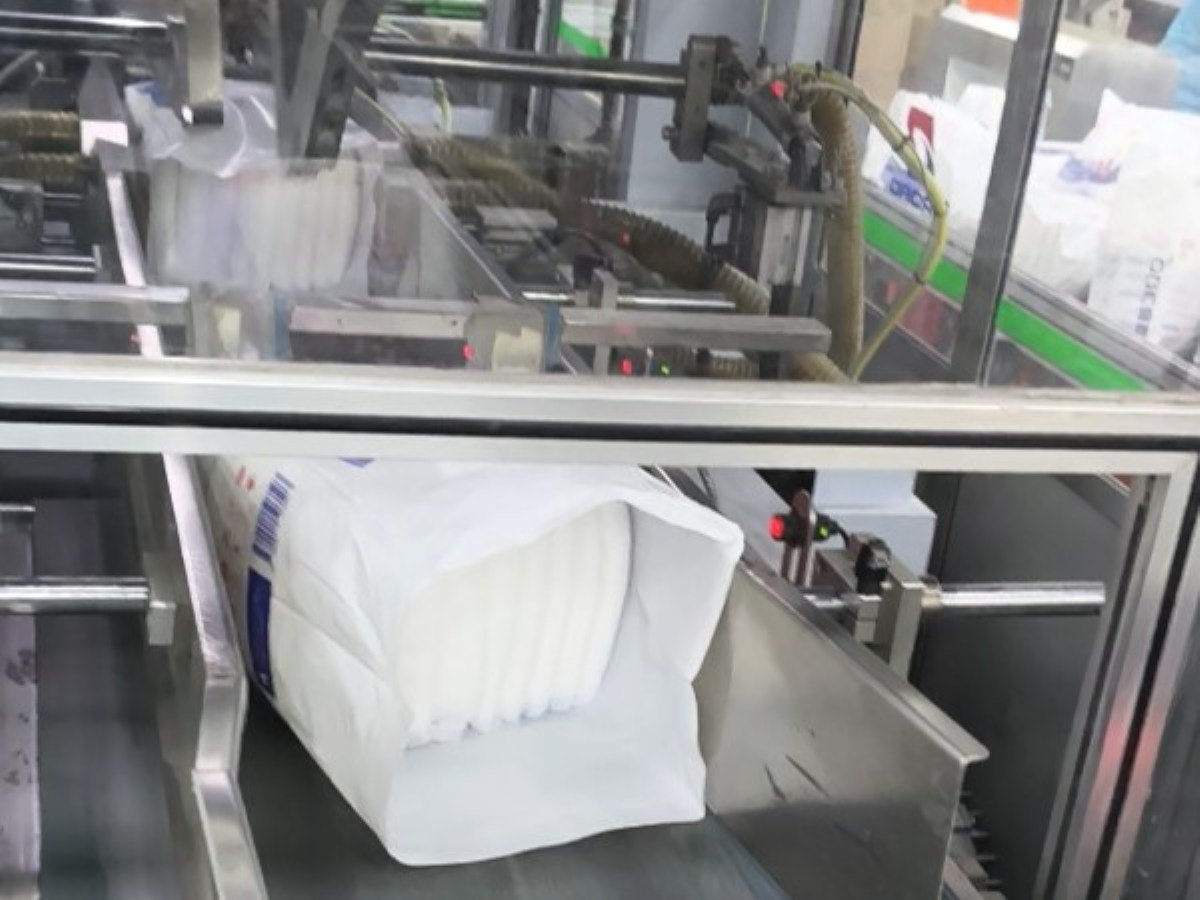
For many private label brands, packaging is the most visible part of customization.
You may be able to customize:
- Packaging bag design
- Brand logo
- Product name
- Size information
- Pieces per pack
- Product claims
- Barcode
- Regulatory information
- Language
- Carton design
However, packaging should not be designed independently from the product specification.
For example, changing the number of diapers per pack can affect:
- Pack dimensions
- Carton quantity
- Container loading
- Shipping efficiency
- Retail price
- Inventory planning
This is why it is better to confirm the product specifications and pack configuration before finalizing packaging artwork.
If you are creating a new brand, keeping the packaging structure relatively simple at the beginning can also help control SKU complexity and production requirements.
8. MOQ, SKU and Production Considerations
Customization needs to be considered together with MOQ.
The more variations you introduce, the more production and inventory variables you may have to manage.
For example:
One diaper design + five sizes + two packaging formats
already creates a very different production plan from:
One diaper design + three sizes + one packaging format.
Before finalizing your product range, discuss:
- MOQ per size
- MOQ per packaging design
- Number of SKUs
- Pieces per pack
- Packs per carton
- Packaging material MOQ
- Printing requirements
- Carton configuration
Customization should always be considered together with MOQ and production planning. At New EcoCare, we work with brand owners to review the required sizes, packaging formats, order quantities, and product specifications before confirming the production plan. This helps customers build a more practical SKU structure and avoid unnecessary complexity during the initial launch.
For a new brand, fewer SKUs can make the first launch easier to manage.
You can always expand the range after you understand which sizes and configurations sell best.
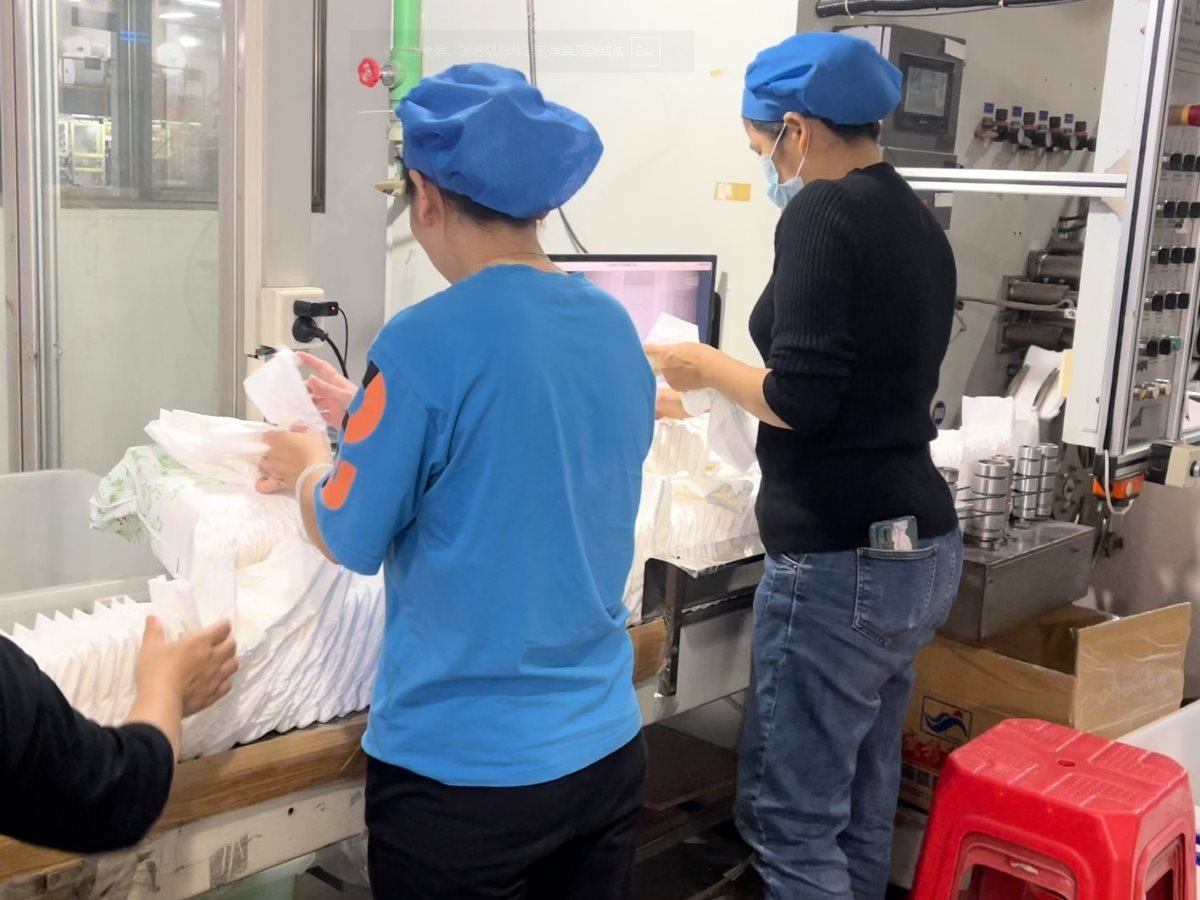
9. Sample Development and Approval
Sampling is where your customization decisions become a physical product.
A typical OEM development process can look like this:
Step 1: Share your requirements
Give the manufacturer information about:
- Target market
- Target customer
- Product positioning
- Size range
- Absorbency expectations
- Preferred materials
- Functional features
- Packaging concept
- Expected order quantity
Step 2: Review the proposed specification
The manufacturer can recommend a practical product structure based on your requirements.
This is where technical experience becomes valuable.
You may know exactly how you want your brand to be positioned, but your manufacturer can help determine whether the requested specifications are practical for production and cost.
Step 3: Test the sample
Do not evaluate the sample only by its appearance.
Check:
- Softness
- Fit
- Thickness
- Absorbency
- Rewet
- Leakage protection
- Elasticity
- Fastening
- Overall construction
If your project requires formal performance testing, agree on the testing requirements with the manufacturer before mass production.
For more detail on how OEM baby diapers move from raw materials through production and quality control, see our guide to the OEM baby diaper manufacturing process.
Step 4: Confirm the final specification
Once the sample is approved, make sure the agreed specifications are documented.
This should cover:
- Materials
- Core structure
- Size
- Absorbency target
- Product design
- Packaging
- Pack quantity
- Carton configuration
- Other agreed requirements
A clear specification makes repeat production much easier to control.
10. What to Prepare Before Requesting a Private Label Diaper Quote
You do not need to know every technical specification before contacting an OEM manufacturer.
In fact, many new buyers benefit from discussing their requirements with the manufacturer first.
However, prepare as much of the following information as possible.
Brand Information
- Brand name
- Target market
- Target customer
- Brand positioning
- Premium, mid-range, or value positioning
Product Requirements
- Diaper type
- Target size range
- Expected absorbency
- Preferred materials
- Desired features
- Standard or eco-oriented positioning
Packaging Requirements
- Packaging type
- Pieces per pack
- Logo
- Artwork availability
- Language requirements
- Carton requirements
Commercial Information
- Estimated order quantity
- Expected launch date
- Target price range
- Number of planned SKUs
The more complete your initial brief is, the easier it is for the manufacturer to recommend a realistic product configuration and prepare a useful quotation.
11. How New EcoCare Supports Private Label Baby Diaper Projects
Private label development is more than putting a logo on an existing diaper. Product structure, materials, customization, packaging, sampling, production, and commercial requirements all need to work together.
New EcoCare provides OEM and private label support for baby diaper projects, from product customization and packaging development to sample approval and bulk production.
Our baby care product range includes baby diapers, bamboo baby diapers, and baby training pants, giving brand owners flexibility to develop and expand their private label product portfolios.
When developing a new product, our team works with customers to review their target market, product positioning, size range, packaging requirements, and expected order quantities. Based on these requirements, we can help develop a practical product specification that balances performance, brand positioning, and production feasibility.
For brands looking to create a differentiated baby diaper product, the goal is not simply to add more features. It is to select the right combination of materials, structure, functionality, design, and packaging for the target market.
If you are ready to discuss your own private label baby diaper project, share your target market, preferred product type, size range, packaging concept, and estimated order quantity with the New EcoCare team.
Final Thoughts
Private label baby diaper customization is not about changing everything.
It is about changing the right things.
Start with your target customer and market positioning. Then work with your OEM manufacturer to decide what should be customized in the product structure, absorbency, materials, size, features, design, packaging, and production configuration.
For a new brand, a focused product range is often more practical than a complicated one.
The best private label diaper is not necessarily the one with the most customization.
It is the one that delivers the right combination of performance, comfort, brand differentiation, production feasibility, and commercial value.
That is where the right OEM manufacturing partner can make a real difference.

 English
  Spanish
  Russian
  Arabic
  German
  French
  Italian
  Portuguese
  Greek
Greek