New private label diaper brands often struggle due to rushed OEM selection, unclear specifications, and overlooked compliance requirements. Avoiding these common mistakes helps brands protect product quality, margins, and long-term growth from the start.
New private label diaper brands often struggle due to rushed OEM selection, unclear specifications, and overlooked compliance requirements. Avoiding these common mistakes helps brands protect product quality, margins, and long-term growth from the start.
Launching a private label diaper brand looks straightforward on paper. Choose a product, find a factory, design packaging, and start selling. In reality, many new brands struggle not because of marketing or demand, but because of early decisions made during OEM development.
After working with global distributors, importers, and brand owners for years, we’ve seen the same problems repeat. These mistakes don’t always show up immediately—but when they do, they affect product quality, compliance, margins, and brand trust.
Below are the seven most common mistakes new private label diaper brands make, and how to avoid them when working with an OEM manufacturer.
Índice
Underestimating Material Impact on Skin
One of the most common assumptions new brands make is that “all diaper materials are more or less the same.” They are not.
Small changes in topsheet texture, core composition, or backsheet breathability can significantly affect skin comfort—especially for babies, seniors, or long-wear users. New brands often focus on visual features or price without fully understanding how materials perform after hours of use.
From an OEM perspective, skin comfort is not defined by one single material. It’s the interaction between layers:
Topsheet softness and permeability
Core absorption speed and distribution
Breathability of the backsheet
Elastic pressure points
When brands overlook this, they risk complaints such as redness, heat buildup, or discomfort—issues that are difficult to fix once the product is already in the market.
What experienced OEM buyers do differently:
They request material explanations, not just samples. They test products in real-use scenarios and understand that “skin-friendly” is a system, not a label.
Choosing Price Over Manufacturing Stability
Price pressure is real, especially for new brands trying to stay competitive. However, selecting a diaper OEM solely on the lowest quotation is one of the fastest ways to create long-term problems.
Ultra-low pricing often hides risks such as:
Unstable raw material sourcing
Inconsistent production lines
Limited quality control checkpoints
Poor scalability for repeat orders
Many brands only realize this after their second or third order, when performance changes or lead times become unpredictable.
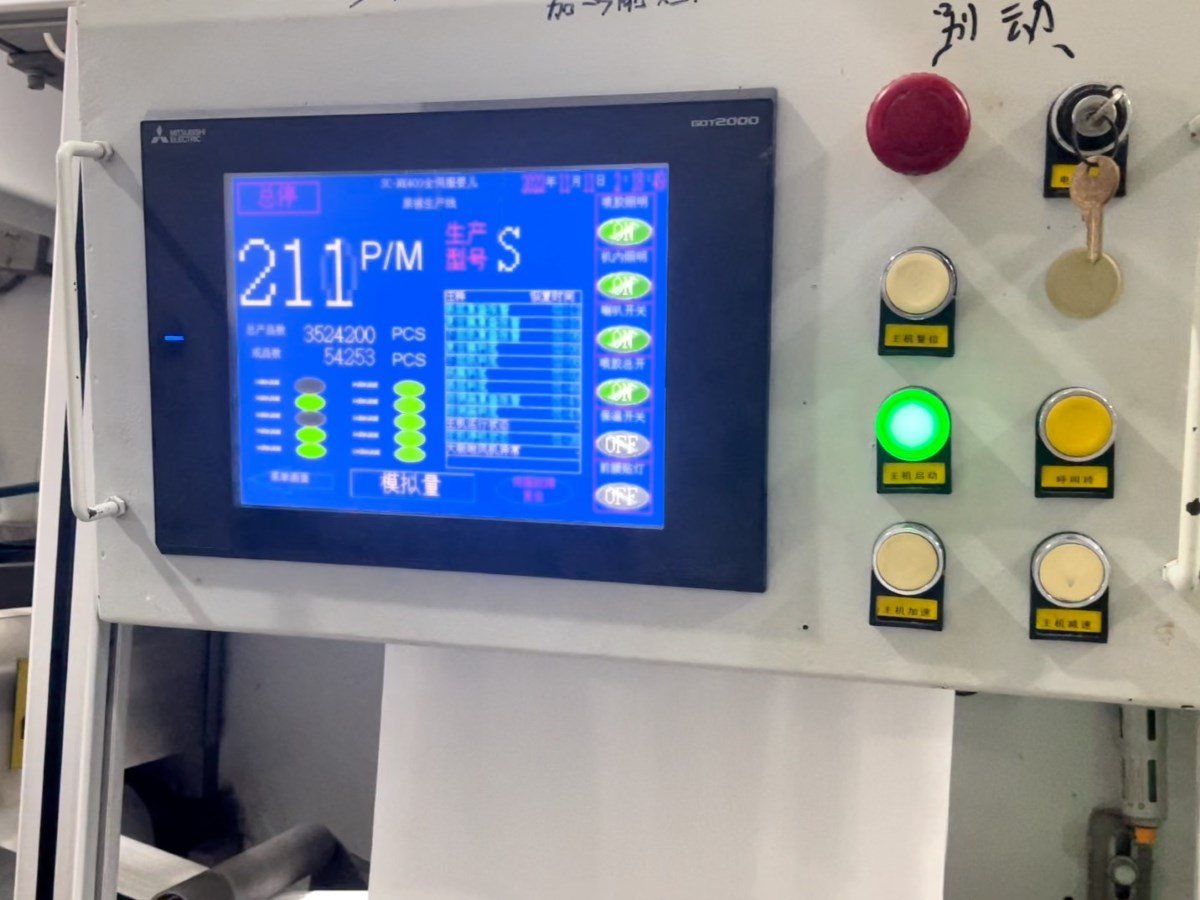
A stable diaper OEM manufacturer focuses on process consistency, not just cost. This includes controlled material sourcing, standardized production parameters, and repeatable quality across batches.
What experienced buyers look for:
Not the cheapest factory—but the most reliable one that can support long-term private label growth without surprises.
Ignoring Regulatory Differences by Market
Compliance is often treated as a “later problem.” This is a costly mistake.
Different markets have different expectations around documentation, testing, labeling, and product claims. A diaper that sells well in one region may require additional documentation or adjustments elsewhere.
New brands sometimes assume that a factory’s existing certificates automatically apply to all markets. In reality, regulatory readiness depends on:
Target country requirements
Distribution channel (retail, healthcare, institutional)
Product positioning and claims
When this is ignored early, brands may face relabeling costs, delayed shipments, or blocked imports.
Smart OEM collaboration means:
Discussing target markets from the first conversation, and aligning product specs, testing scope, and documentation accordingly.
Over-Customizing Too Early
Customization is one of the biggest advantages of private label diaper manufacturing—but it can also become a trap.
New brands sometimes try to customize everything at once:
Unique shapes
Special materials
Non-standard sizes
Complex packaging structures
This increases development time, tooling costs, and risk—especially before the product has proven demand.
From an OEM standpoint, over-customization too early often slows down production and complicates quality control. It can also make it harder to adjust later if the market response is different than expected.
A more effective approach:
Start with a stable, proven base product. Customize strategically—where it matters most for your positioning—and expand differentiation once volume and feedback justify it.
Poor Communication With OEM Partners
Many private label issues are not technical—they are communication failures.
Common problems include:
Vague specifications
Assumptions instead of confirmations
Changes not documented clearly
Misaligned expectations on performance or tolerances
OEM manufacturing is detail-driven. Small misunderstandings can lead to large discrepancies in final products.
Strong OEM relationships are built on structured communication, not casual conversations. Clear documentation, sample confirmations, and version control matter more than speed.
Successful brands treat OEMs as partners, not vendors.
They invest time upfront to align on goals, constraints, and responsibilities.

Treating the OEM as a Short-Term Solution
Some new brands approach OEM manufacturing as a temporary arrangement—something to replace later once volumes grow.
This mindset often leads to shallow collaboration, limited transparency, and missed opportunities for improvement.
In reality, the most successful private label diaper brands grow alongside their OEM partners. Long-term cooperation allows for:
Cost optimization over time
Process refinement
Material upgrades
Better production planning
A committed OEM partner becomes part of the brand’s operational backbone.
Why These Mistakes Matter More Than Ever
Today’s diaper market is more competitive and transparent than ever. Distributors, healthcare buyers, and end users quickly notice inconsistencies. Online reviews and AI-driven search results amplify both strengths and weaknesses.
Avoiding these common mistakes helps new brands:
Protect margins
Reduce operational risk
Build trust with buyers
Scale more smoothly
From an OEM perspective, the strongest partnerships are built with brands that understand manufacturing realities—not just marketing goals.
Final Thoughts from New EcoCare
Em Novo EcoCare, we work closely with private label clients who want to build sustainable diaper brands—not just launch products.
OEM manufacturing works best when decisions are informed, expectations are clear, and growth is planned step by step. Avoiding the mistakes above doesn’t require perfection—just the right questions at the right time.

 Portuguese
  English
  Spanish
  Russian
  Arabic
  German
  French
  Italian
  Greek
Greek