
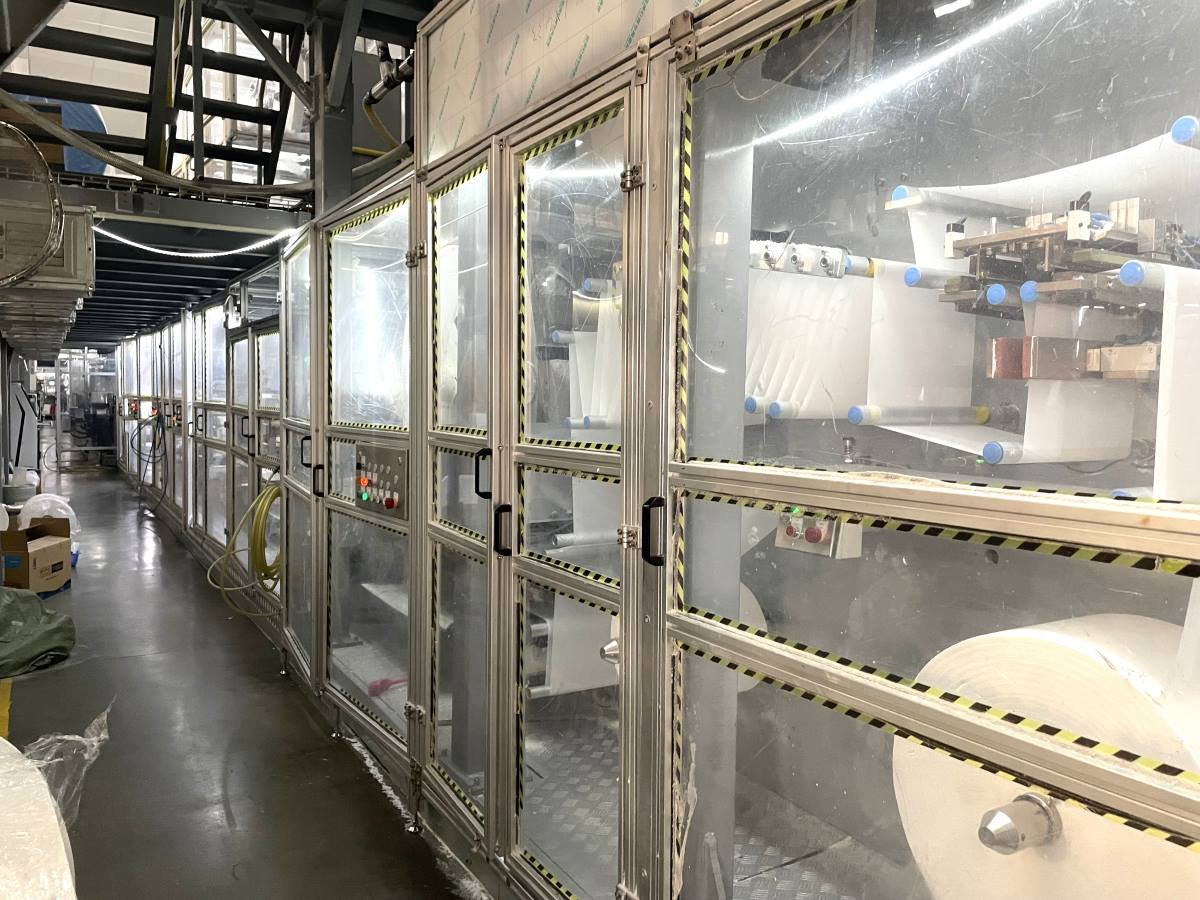
Factory audits reveal far more than certifications. When evaluating an OEM hygiene manufacturer, buyers should carefully inspect raw material handling, production line controls, hygiene management systems, and finished goods inspection procedures. These operational details determine whether a supplier can consistently produce safe, reliable, and scalable private label hygiene products.
Global demand for private label hygiene products has grown rapidly in recent years. Brand owners, distributors, and healthcare suppliers are increasingly partnering with OEM factories to manufacture items such as baby diapers, adult diapers, underpads, and wet wipes.
However, selecting the right OEM partner requires more than reviewing a product catalog or checking a few certificates.
Experienced buyers understand that the real quality of a manufacturer is revealed inside the factory itself.
A well-organized hygiene factory shows clear evidence of disciplined processes, strict cleanliness standards, and controlled production flow. These elements ensure that the final product is not only comfortable and absorbent but also safe and consistent across large-scale orders.
For companies planning to launch private label diapers or medical absorbent products, conducting a factory audit is one of the most effective ways to evaluate a supplier’s capabilities.
In this article, we share practical insights on what professional buyers should inspect when visiting an OEM hygiene factory.
Оглавление
Many companies entering the hygiene market first evaluate whether OEM production or ODM development is the better approach for their brand. If you are still comparing the two models, our detailed guide explains the key differences between OEM and ODM manufacturing models.
Raw Material Handling
Raw materials form the foundation of every hygiene product. Even the most advanced production line cannot compensate for poorly managed materials.
When entering the warehouse area of an OEM factory, buyers should first observe how raw materials are stored and tracked.
Key materials commonly used in absorbent hygiene products include:
Пушистая целлюлоза
Super absorbent polymer (SAP)
Nonwoven fabrics
Breathable backsheet film
Elastic waist materials
Adhesive tapes and fasteners
A professional factory should maintain a clearly organized material storage system. Raw materials should be separated by category, batch number, and supplier source.
For example, SAP and fluff pulp must be stored in dry and temperature-controlled conditions to maintain their absorption performance. Moisture exposure can significantly reduce absorbency efficiency.
Buyers should also check whether the factory has a material traceability system. Each batch of finished diapers should be traceable back to its raw material sources. This capability becomes critical if a quality issue ever occurs in the market.
According to industry reports from EDANA, the global association for nonwoven and absorbent hygiene products, quality control and material traceability remain critical factors in modern hygiene manufacturing.
Another point often overlooked during factory visits is incoming material inspection.
Reliable manufacturers perform testing on incoming materials before they enter the production line. These tests may include:
SAP absorption performance checks
Nonwoven tensile strength tests
Backsheet breathability verification
Odor and cleanliness evaluation
For brand owners developing a custom diaper product line, consistent raw material quality ensures that every shipment meets the same performance standards.
In many regions, buyers must also consider environmental regulations affecting diaper materials, which increasingly influence raw material selection and packaging design.
Production Line Controls
After reviewing raw materials, the next area to inspect is the production line itself.
Modern hygiene products are manufactured using highly automated machines that operate at extremely high speeds. A single diaper production line can produce hundreds of pieces per minute.
Because of this speed, effective process control systems are essential.
When touring a production line, buyers should observe several important aspects.
1. Equipment Stability
Well-maintained machines run smoothly with minimal vibration or unexpected stops. Excessive noise, irregular movement, or frequent adjustments may indicate poor maintenance practices.
Factories that regularly service their equipment tend to produce more consistent product quality.
2. In-Line Quality Monitoring
Advanced production lines include sensors and monitoring systems that check product quality during manufacturing.
These systems may detect:
Incorrect diaper dimensions
Missing components
SAP distribution errors
Tape placement issues
If a defect is detected, the system automatically removes the defective item from the line.
This type of automated quality control significantly reduces the risk of defective products reaching the packaging stage.
3. Process Standardization
Buyers should also ask about the factory’s standard operating procedures (SOPs).
Professional OEM manufacturers typically maintain detailed operating manuals that define:
Machine setup parameters
Product specification requirements
Quality inspection checkpoints
Operator responsibilities
This level of standardization ensures that production remains stable even when shifts change.
For companies seeking long-term OEM diaper manufacturing partnerships, process stability is one of the most important indicators of reliability.
Hygiene Management
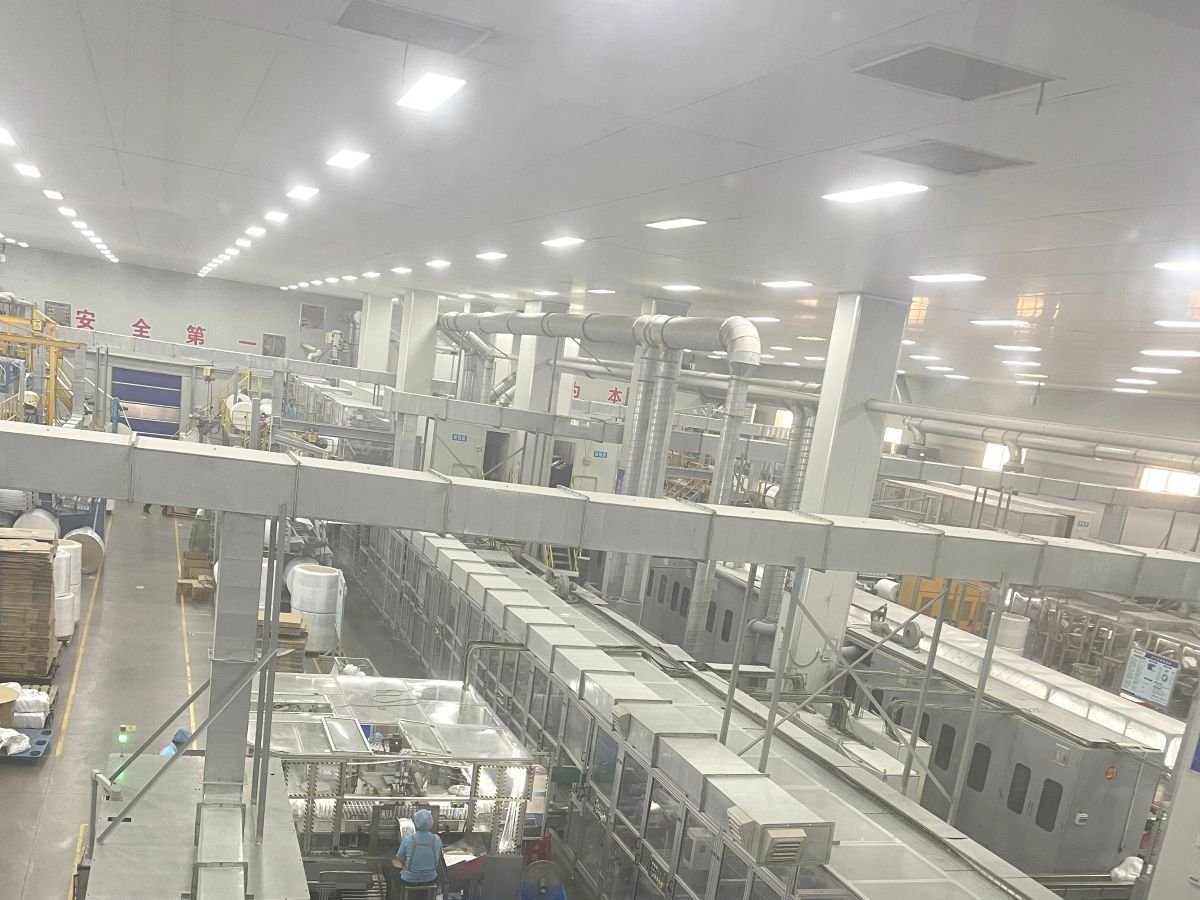
Hygiene control is a critical requirement for factories producing absorbent personal care products.
Unlike many other consumer goods, items such as diapers and underpads come into direct contact with human skin, sometimes for extended periods. Maintaining strict cleanliness standards throughout production is therefore essential.
During a factory audit, buyers should observe the overall hygiene management system.
Clean Production Environment
The production floor should appear clean, organized, and free from unnecessary clutter. Dust control is especially important in diaper manufacturing because fluff pulp can generate fibers during processing.
Many professional hygiene factories install air filtration and dust extraction systems to maintain air quality within the production area.
Worker Hygiene Protocols
Employees should follow clear hygiene procedures before entering production areas. These often include:
Using hair covers and masks
Hand sanitation procedures
Controlled entry points
These steps reduce the risk of contamination during manufacturing.
Controlled Access Zones
Higher-grade hygiene factories may implement zoned production areas, where different sections of the factory require specific cleanliness levels.
For example:
| Factory Zone | Typical Purpose |
|---|---|
| Raw Material Zone | Storage and preparation |
| Production Zone | Automated manufacturing lines |
| Quality Inspection Area | Product testing |
| Finished Goods Warehouse | Sealed product storage |
This structured layout improves material flow efficiency while minimizing contamination risks.
For buyers planning to distribute hygiene products internationally, working with a manufacturer that maintains strong hygiene controls can support compliance with global quality standards and regulatory expectations.
Hygiene product manufacturers often follow international safety frameworks similar to those recommended by the World Health Organization (WHO) for medical and sanitary product production environments.
Finished Goods Inspection
Even with strong material control and stable production lines, finished product inspection remains essential.
This stage verifies that the final product meets all agreed specifications before shipment.
During a factory visit, buyers should examine the finished goods inspection process.
Sampling Procedures
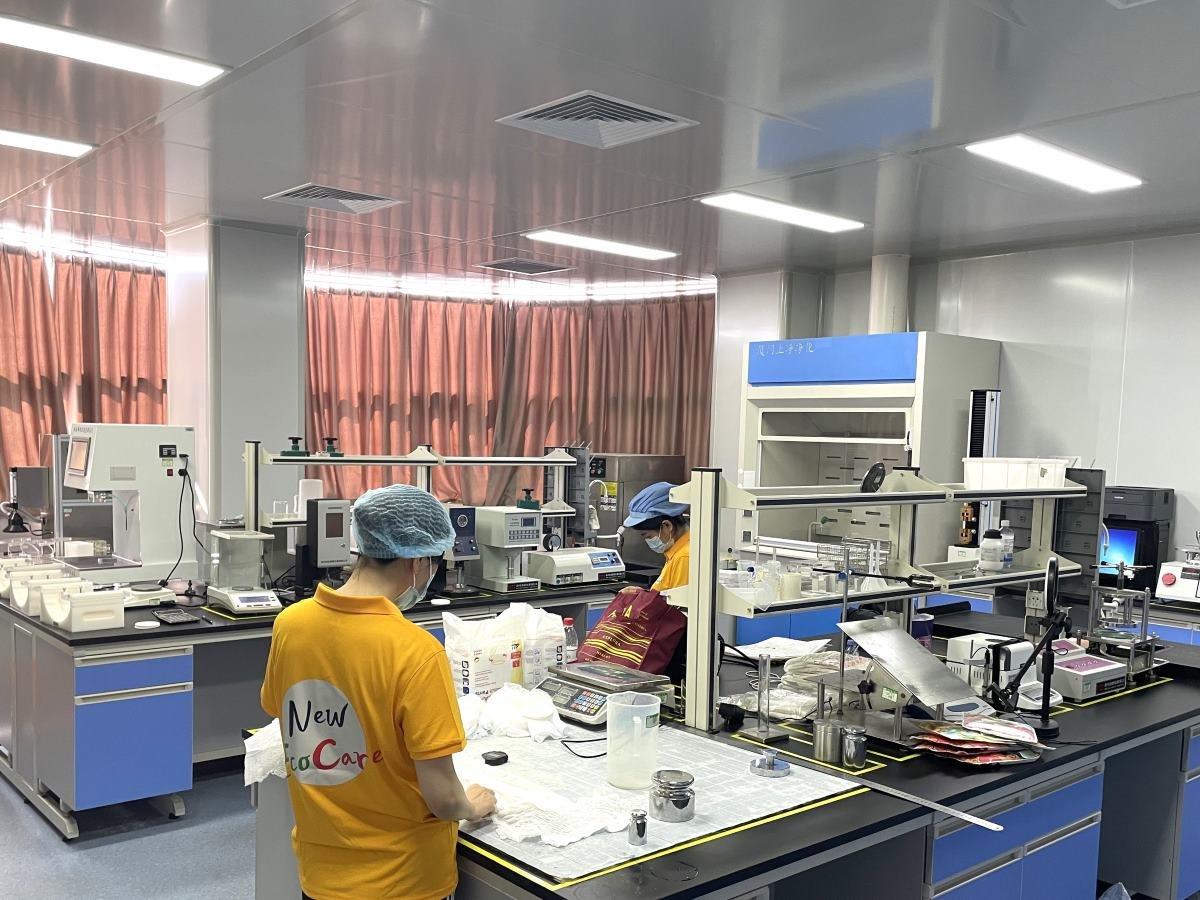
Most factories follow statistical sampling methods to inspect finished products from each production batch.
These samples are tested to confirm key performance indicators such as:
Absorption capacity
Rewet performance
Защита от утечек
Elastic strength
Adhesive durability
Consistent testing ensures that every batch shipped to customers maintains the expected product performance.
Packaging Inspection
Buyers should also review how products are packed.
Proper packaging protects hygiene products during transportation and storage. Inspection teams typically check:
Correct product count per bag
Accurate labeling and batch codes
Seal integrity of packaging bags
Visual appearance of finished packs
For brands launching private label diaper packaging, correct labeling is especially important for traceability and regulatory compliance.
Warehouse Storage Conditions
Finally, the finished goods warehouse should be clean, dry, and well organized.
Finished products should be stored off the floor and protected from humidity. Clear labeling systems help warehouse teams quickly identify different product batches and shipment destinations.
This level of organization becomes particularly important when factories handle multiple private label brands simultaneously.
Why Factory Audits Matter for Private Label Buyers
In the global hygiene products industry, many suppliers appear similar on the surface. Websites may list similar certifications, machines, and product specifications.
However, the real difference between manufacturers often lies in their internal operational discipline.
For example, insufficient factory evaluation is one of the common mistakes when launching a private label diaper brand, especially for new companies entering the hygiene sector.
A factory that manages raw materials carefully, maintains strict hygiene protocols, and monitors production quality closely is far more likely to deliver stable, long-term supply performance.
For companies planning to build their own diaper brand, selecting the right OEM partner can influence everything from product reputation to customer satisfaction.
Working with an Experienced OEM Manufacturer
На сайте Новый EcoCare, we understand that professional buyers need transparency and reliability when selecting a manufacturing partner.
With decades of experience in OEM and private label hygiene product manufacturing, our production facilities are designed to maintain strict control over every stage of the manufacturing process — from raw material inspection to finished goods testing.
Our team works closely with international distributors, healthcare suppliers, and brand owners to develop customized absorbent hygiene products that meet diverse market requirements.
By combining structured quality control systems, modern production equipment, and strict hygiene management, we help our partners launch and scale their private label hygiene brands with confidence.
ЧАСТО ЗАДАВАЕМЫЕ ВОПРОСЫ
What is an OEM hygiene factory audit?
An OEM hygiene factory audit is a process where buyers inspect a manufacturer’s facilities, production processes, material management, and quality control systems before starting private label production.
Why is raw material control important in diaper manufacturing?
Raw materials such as SAP, fluff pulp, and nonwoven fabrics determine product absorbency, softness, and safety. Proper storage and inspection ensure consistent product quality.
How do manufacturers ensure diaper quality during production?
Modern factories use automated monitoring systems, standardized operating procedures, and batch testing to detect defects and maintain stable product performance.

 Russian
  English
  Spanish
  Arabic
  German
  French
  Italian
  Portuguese
  Greek
Greek