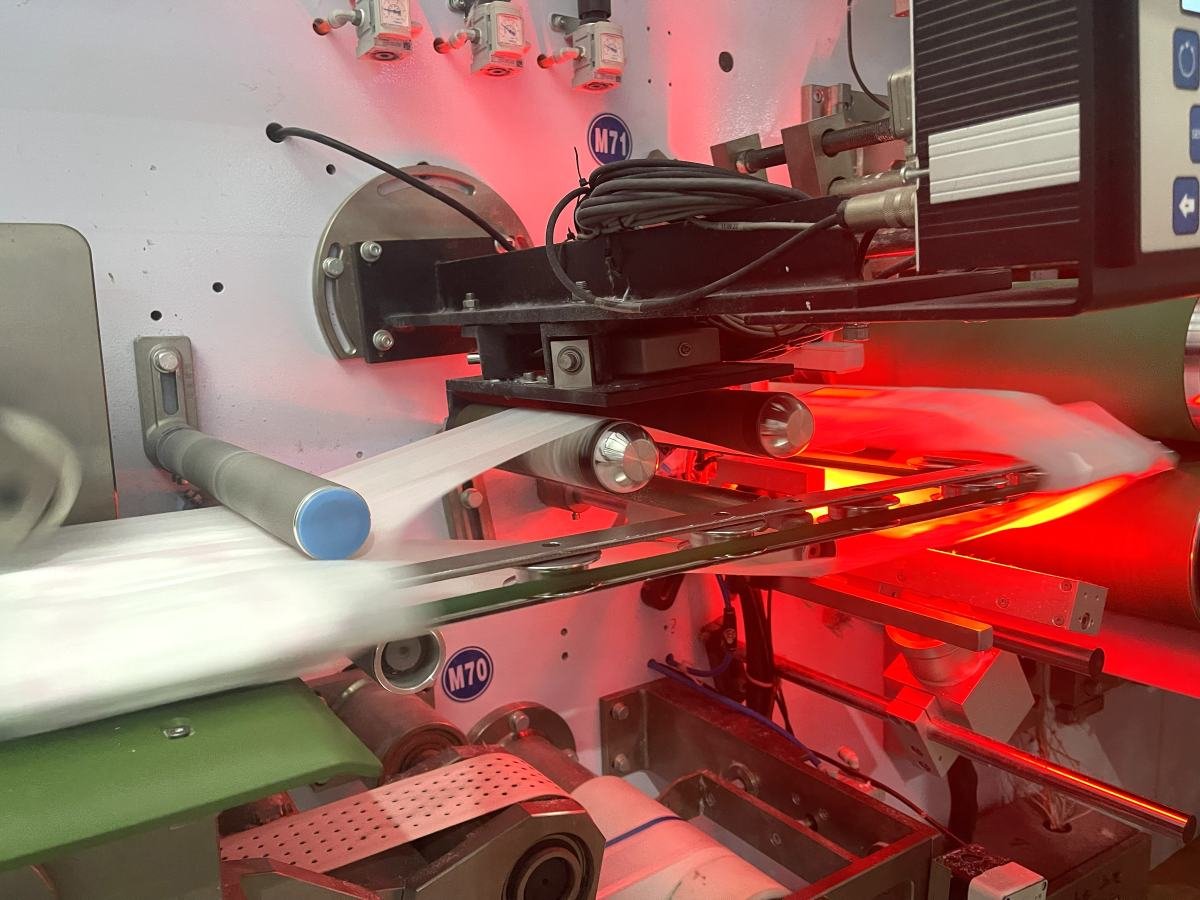
In diaper manufacturing, quality is not something that happens at the end of the production line.
It is built into every step—starting before raw materials enter the factory and continuing until finished cartons are loaded for shipment.
For B2B buyers sourcing through OEM, private label, or contract manufacturing partnerships, this matters more than ever. Product consistency affects repeat orders, retailer confidence, regulatory readiness, and long-term brand trust.
Many suppliers talk about quality. Fewer explain exactly how they control it.
At New EcoCare, we believe transparency is part of professional manufacturing. That is why we apply structured testing and inspection across the entire diaper production process—every day, for every order.
Below are the 15 critical quality control points that help us deliver stable, scalable hygiene products for international distributors, healthcare suppliers, and private label brands.
جدول المحتويات
Why Daily Quality Control Matters in OEM Diaper Manufacturing
In high-volume diaper production, even small deviations can create large-scale issues.
A slight change in absorbent core placement, adhesive strength, or packaging seal can affect thousands of units if not detected early.
That is why a strong diaper quality control process is not based on one final inspection—it depends on continuous verification.
For buyers working with an OEM diaper factory, daily testing provides three major advantages:
- consistent product performance across batches
- faster detection of production risks
- better traceability for long-term supply partnerships
This is especially important for businesses launching custom diaper programs, retail-ready private label lines, or institutional supply contracts.
The 15 Critical Daily Test Points in Our Factory
1. Raw Material Identity Verification
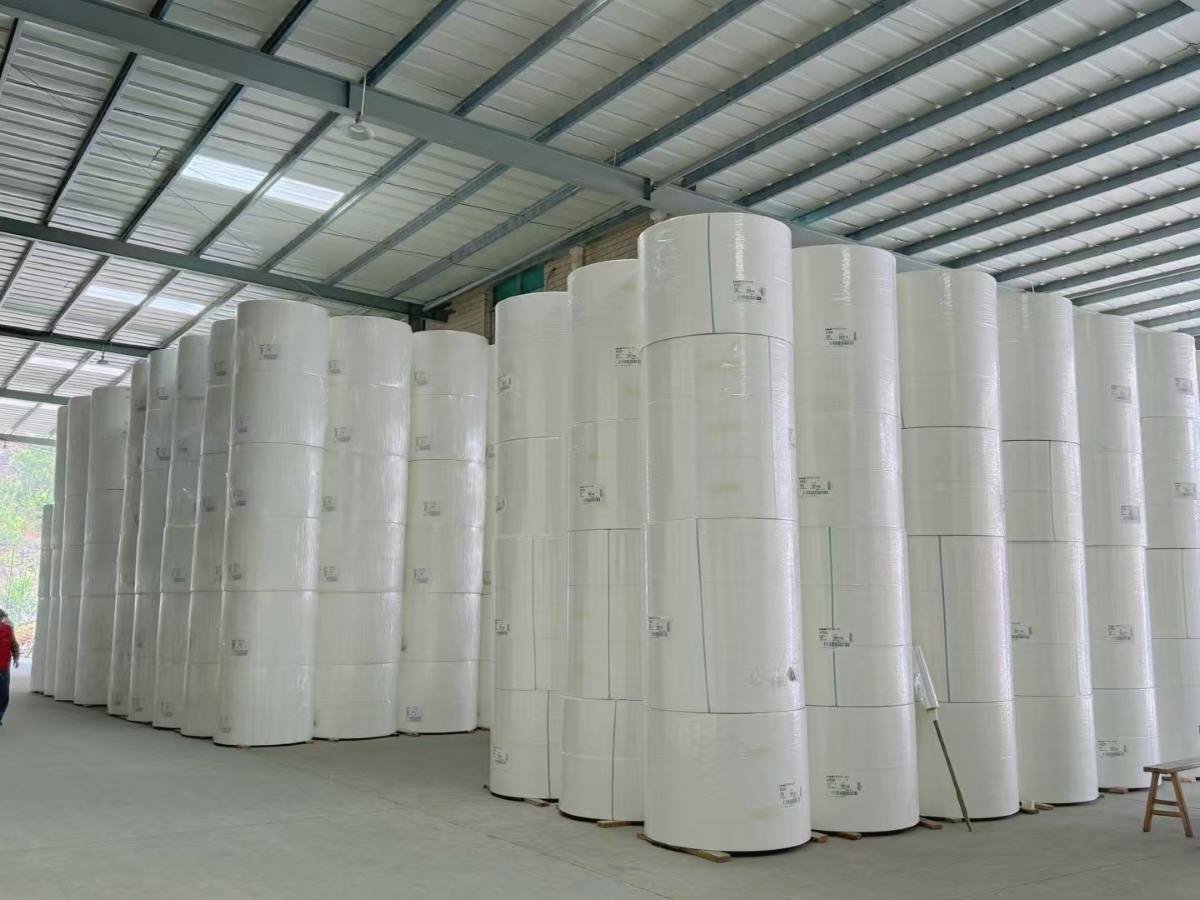
Before production begins, every incoming material is checked against approved specifications.
This includes:
- fluff pulp source and grade
- SAP type and absorbency range
- nonwoven softness and weight
- breathable film thickness
- adhesive composition
This step prevents incorrect materials from entering production.
بالنسبة لـ private label diaper suppliers, raw material consistency is the foundation of product stability.
2. Moisture Content Testing
Certain materials—especially fluff pulp and SAP—must remain within controlled moisture ranges.
Excess humidity can reduce absorption performance and storage stability.
Daily moisture testing helps preserve the designed functionality of the diaper core.
3. Material Cleanliness Inspection
Visual and sensory checks are performed for dust, odor, contamination, and packaging integrity.
Clean input materials reduce manufacturing risks and protect skin-contact safety.
This step is essential in hygiene product contract manufacturing.
4. Machine Calibration Checks
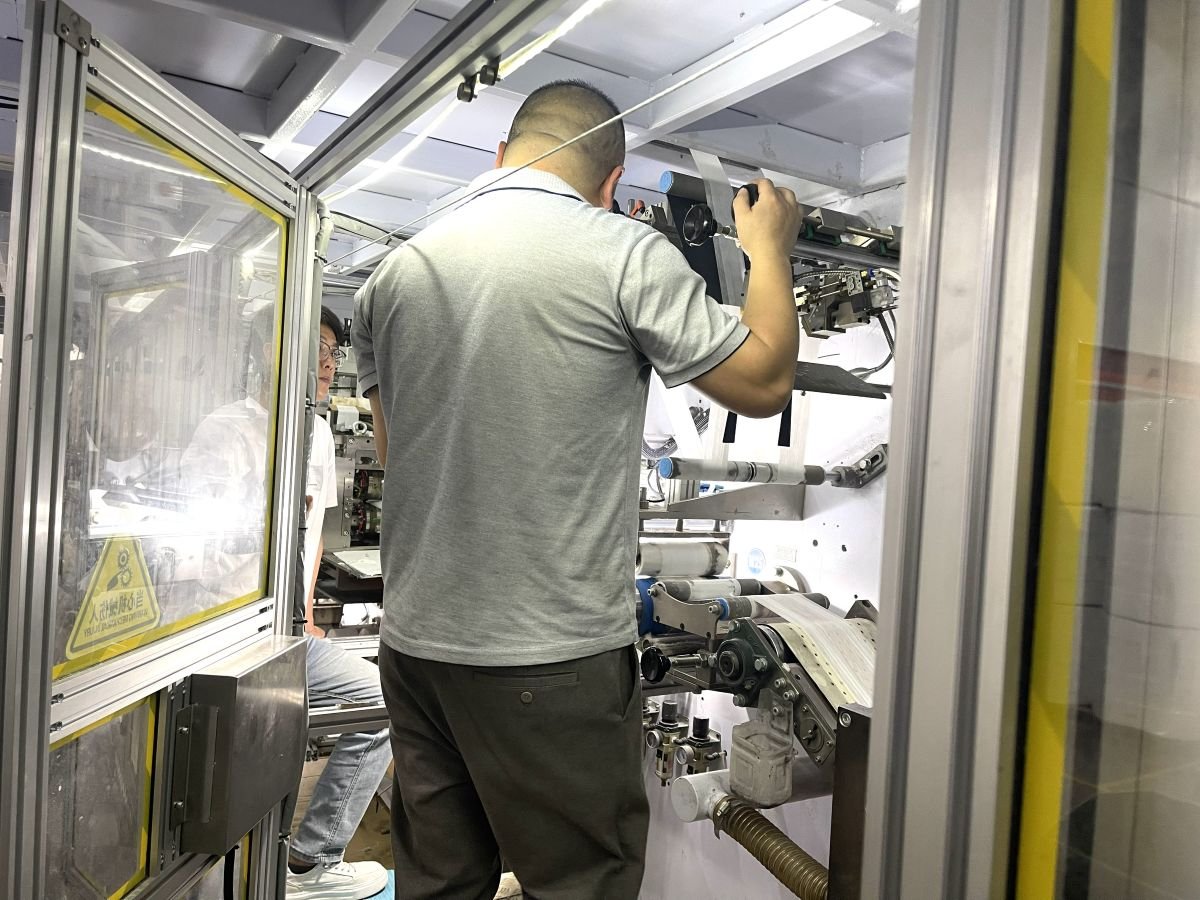
Before each shift, production equipment is calibrated for size, cut position, elastic tension, and SAP distribution.
Even automated systems require routine verification.
Stable machine settings reduce variation between production runs.
5. Core Weight Measurement
The absorbent core is one of the most important performance factors.
We measure core weight at regular intervals to confirm it matches approved specifications.
This ensures predictable absorbency and cost control.
For B2B buyers, this protects against underfilled products that may damage brand reputation.
6. SAP Distribution Testing
Absorbent polymer must be evenly distributed throughout the core.
Uneven placement can create leakage zones or clumping.
We monitor this daily to maintain balanced liquid absorption.
7. Dimension Accuracy Checks
Length, width, rise, and fold positions are measured during production.
This confirms that every diaper matches the agreed technical sheet.
Consistent sizing is critical for retail packaging, consumer fit, and product classification.
8. Adhesive Strength Testing
Tape systems, frontal tape zones, and side seams are tested for bond performance.
Weak adhesion leads to usability complaints and product returns.
Daily testing ensures secure fastening under normal wear conditions.
9. Elastic Tension Verification
Waistbands and leg cuffs must provide comfort without excessive pressure.
We test elastic stretch and recovery rates to maintain fit quality.
This supports both user comfort and leakage prevention.
10. Absorption Capacity Testing
Finished diapers are tested for total liquid retention under controlled conditions.
This validates that the product meets target performance levels.
For export-focused brands, documented absorbency data supports product positioning and buyer confidence.
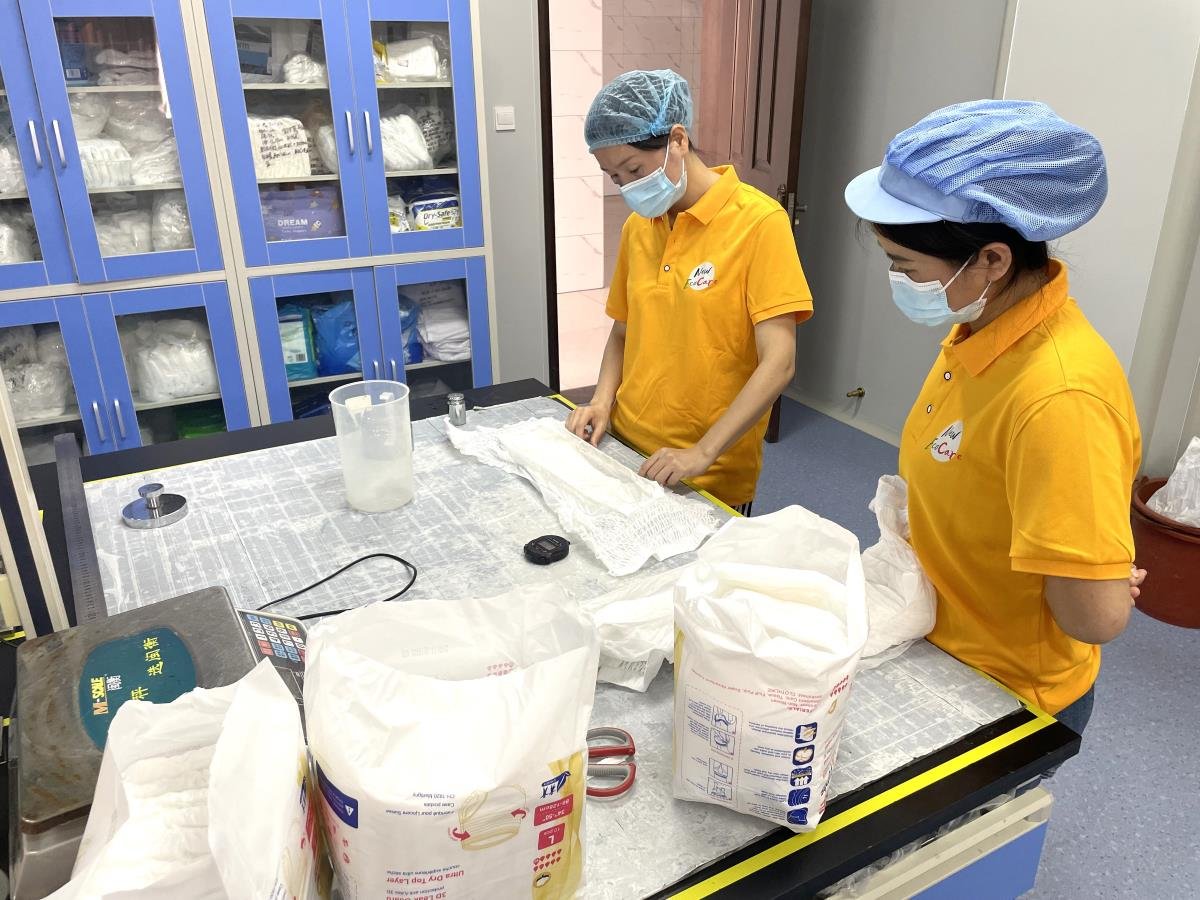
11. Rewet Performance Testing
Absorption alone is not enough.
We also measure how much moisture returns to the surface after pressure is applied.
Low rewet levels improve dryness and skin comfort.
This is especially important for premium diaper programs.
12. Leakage Barrier Inspection
Standing cuffs, leg gathers, and side barriers are checked for structural integrity.
A well-designed barrier system reduces side leakage during movement.
Daily inspection helps maintain protective performance.
13. Packaging Seal Integrity Test
Packaging must protect the product during transport and storage.
We verify seal strength, bag closure consistency, and air resistance.
Poor sealing can compromise hygiene before the product reaches the market.
14. Label and Batch Code Verification
Every package must carry accurate product information and traceability codes.
This supports warehouse control, recalls if necessary, and market compliance.
For private label diaper manufacturing, correct coding is essential for brand protection.
15. Final Carton Audit Before Shipment
Before loading, cartons are inspected for count accuracy, pallet stability, and shipping documentation.
This final checkpoint confirms readiness for export.
A strong shipment audit reduces claims, delays, and receiving errors.
What These 15 Checks Mean for B2B Buyers
For buyers, these control points are not just factory procedures.
They are indicators of supplier maturity.
A professional OEM hygiene manufacturer should be able to demonstrate structured quality systems—not just certifications on paper.
When evaluating a custom diaper supplier, ask:
- How often are materials tested?
- Are performance checks done during production or only at the end?
- Is every batch traceable?
- Can the supplier provide test records if needed?
These questions reveal whether a manufacturer operates with long-term reliability in mind.
Quick Answers for Buyers
What is the diaper quality control process?
The diaper quality control process is a structured system of inspections and tests performed throughout manufacturing to ensure product consistency, absorbency, safety, and packaging accuracy. It includes raw material checks, machine calibration, in-line testing, and final shipment audits.
Why is daily testing important in diaper manufacturing?
Daily testing detects issues early, reduces large-scale defects, and ensures stable performance across production batches. This is essential for OEM and private label diaper suppliers handling high-volume orders.
What should B2B buyers ask a diaper manufacturer about quality?
Buyers should ask about testing frequency, traceability systems, absorbency verification, packaging inspection, and whether quality checks happen during production—not only after completion.
How many checkpoints should a reliable OEM diaper factory have?
A reliable OEM diaper factory should maintain multiple checkpoints across sourcing, production, performance testing, packaging, and shipment. Structured factories often monitor over 10 critical control points daily.
Quality Control Is a Business Strategy, Not a Department
In modern diaper manufacturing, quality control is directly linked to profitability.
Stable quality reduces complaints, protects margins, and supports market expansion.
For private label brands, one defective shipment can affect retailer relationships and consumer trust.
That is why leading manufacturers treat quality assurance as a daily operating system—not a final inspection task.
At New EcoCare, our goal is to help partners scale with confidence through disciplined processes, transparent communication, and measurable product standards.
Because in B2B manufacturing, consistency is what builds brands.
Why Global Buyers Choose Structured OEM Partners
As international demand grows for custom hygiene solutions, buyers are increasingly looking for suppliers who offer:
- scalable manufacturing capacity
- documented quality assurance systems
- flexible private label services
- regulatory awareness for export markets
- long-term production reliability
These are the qualities that separate transactional suppliers from strategic manufacturing partners.
And they start with one thing: control.

 Arabic
  English
  Spanish
  Russian
  German
  French
  Italian
  Portuguese
  Greek
Greek