Wet wipes come in different materials, formats, and formulations, and each choice can affect product performance, user experience, packaging, and cost. This knowledge center helps brands, distributors, importers, and private label buyers understand the key factors behind wet wipes development and sourcing.
Wet wipes can differ significantly in materials, formulations, sheet specifications, and intended applications. Start with the basics to understand what matters when evaluating wet wipes for your market.
Wet wipes are used across many personal care, baby care, healthcare, household, and other applications. While the basic product may look similar, the material, sheet size, lotion, packaging, and performance requirements can vary significantly depending on the intended use.
For B2B buyers, choosing the right wet wipes means looking beyond the finished package. Product specifications, raw materials, formulation, manufacturing processes, and quality control can all affect the final product and its suitability for a specific market.
This section provides a practical introduction to wet wipes and the key areas buyers should understand before starting product development or OEM sourcing.
Wet wipes involve more than the wipe itself. You will learn how materials, formulations, production methods, quality control, customization, packaging, and sustainability considerations can influence product development and sourcing decisions.

Different applications require different product specifications. Explore the main wet wipes categories to understand which formats may be suitable for your target market and product requirements.
Wet wipes are developed for different applications, and product requirements can vary depending on the intended use. Baby wipes may focus on gentle cleansing and skin comfort, while face wipes, bathroom wipes, and other hygiene products may require different materials, moisture levels, sheet sizes, or packaging formats.
For brands and distributors, understanding these differences is important when selecting a product for a specific market. The right combination of substrate, formulation, sheet specification, and packaging can influence how the product performs and how well it fits the expectations of its target users.
New EcoCare supports OEM and private label wet wipes development for different applications, helping customers select suitable product specifications and build solutions around their market requirements.
Designed for everyday baby cleaning and care.
Suitable for personal cleansing and facial care applications.
A bamboo-based option for brands seeking an alternative wipe substrate.
Designed for convenient bathroom and personal hygiene use.
New EcoCare provides wet wipes for different applications, giving brands and distributors options to develop products around their target market, product positioning, and packaging requirements. From baby wipes to bamboo, face, and bathroom wipes, product specifications can be developed according to the needs of each project.
Gentle everyday wipes for baby care, available for OEM and private label development with customized product and packaging specifications.
Bamboo-based wet wipes for brands looking for an alternative substrate with a focus on product feel and sustainability positioning.
Customizable face wipes developed for personal care brands seeking private label products with suitable specifications and packaging options.
Bathroom wipes developed for convenient hygiene applications, with biodegradable product options for brands targeting specific market requirements.
New EcoCare provides wet wipes for different applications, giving brands and distributors flexible options for product development, private labeling, and market-specific requirements.
Gentle wet wipes developed for everyday baby care, with OEM and private label options for different market requirements.
Private label face wipes for personal care brands looking for customized products and packaging solutions.
Soft, strong bamboo fiber wipes designed for everyday hygiene, fully biodegradable and ideal for eco-conscious markets.
Explore practical resources covering wet wipes materials, product development, and private label manufacturing to help you make better sourcing decisions.
Learn how bamboo wet wipes can support different product positioning and what brands should consider when developing sustainable wipe solutions.
Discover the key considerations involved in developing private label baby wipes, from product requirements and customization to OEM manufacturing.
The substrate is one of the first product decisions to consider when developing wet wipes. Explore common material options and learn how sheet composition, GSM, softness, and absorbency can affect the finished product.
A widely used wipe substrate that offers a practical balance of softness, strength, absorbency, and manufacturing flexibility.

A specialized fabric option for products developed around specific flushability requirements and intended applications.

A plant-based substrate option with a soft feel, suitable for brands developing bamboo wet wipes and sustainability-focused product lines.

A soft material option that can be considered for wet wipes where a cotton-based substrate and comfortable skin feel are important.

The material used for the wipe sheet affects important product characteristics such as softness, strength, thickness, texture, and absorbency. For OEM and private label projects, the right substrate should be selected according to the intended application, product positioning, and target market requirements.
New EcoCare offers several wet wipes material options, including spunlace non-woven, bamboo fiber, flushable fabric, and cotton non-woven. Different materials can also be produced with different weights and textures to achieve the required feel and performance.
Material selection should therefore be considered together with the formulation, sheet size, packaging, and intended use. A suitable combination helps create a wet wipes product that meets both user expectations and commercial requirements.
Material selection is not only about fiber type. Sheet weight and texture can also affect the feel, strength, and overall performance of the finished wet wipes.
A simple surface structure for a clean and consistent wipe feel.
A textured surface that can provide a distinctive feel and wiping experience.
A textured fabric option for brands looking for a different surface structure.
A mesh-style texture that can be selected according to the required product application.
Choose a substrate based on how the wipes will be used.
Consider the feel required for the intended application.
Match material properties with product performance requirements.
Select suitable weight and texture for the finished product.
New EcoCare supports different wet wipes material options, helping brands select suitable substrates for their product positioning, application, and market requirements.
Bamboo fiber wet wipes for brands looking for a plant-based substrate with a soft feel and sustainability-focused positioning.
Customizable face wipes with nonwoven material options and specifications designed for personal care brands and private label projects.
Learn more about wet wipes substrates and how material selection can affect sustainability, performance, cost, and product positioning.
Compare bamboo and conventional nonwoven substrates across sustainability, cost, performance, and market positioning to support better material decisions.
Explore bamboo wet wipes, their material characteristics, and key considerations for brands developing more sustainability-focused wipe products.
The substrate is only one part of the finished product. The liquid formula also plays an important role in cleansing performance, skin feel, moisture, and product suitability for different applications.
The liquid formula is an important part of wet wipes development. It affects how the wipes clean, feel on the skin, retain moisture, and perform during use. The formulation also needs to work properly with the selected nonwoven material and packaging format.
For B2B buyers, formula selection should be considered according to the product application and target market rather than treated as a one-size-fits-all solution. Water quality, pH, ingredients, preservation, moisture level, and compatibility with the wipe substrate can all be important during product development.
New EcoCare supports customized wet wipes development based on project requirements, helping customers evaluate suitable product specifications, formulations, materials, and packaging together.
The water used in the formulation is an important consideration for consistent product quality.
The formulation pH should be selected according to the intended application and product requirements.
Suitable preservation is important for maintaining product quality during its intended shelf life.
The amount of liquid in the wipes can affect moisture, user experience, and overall product performance.
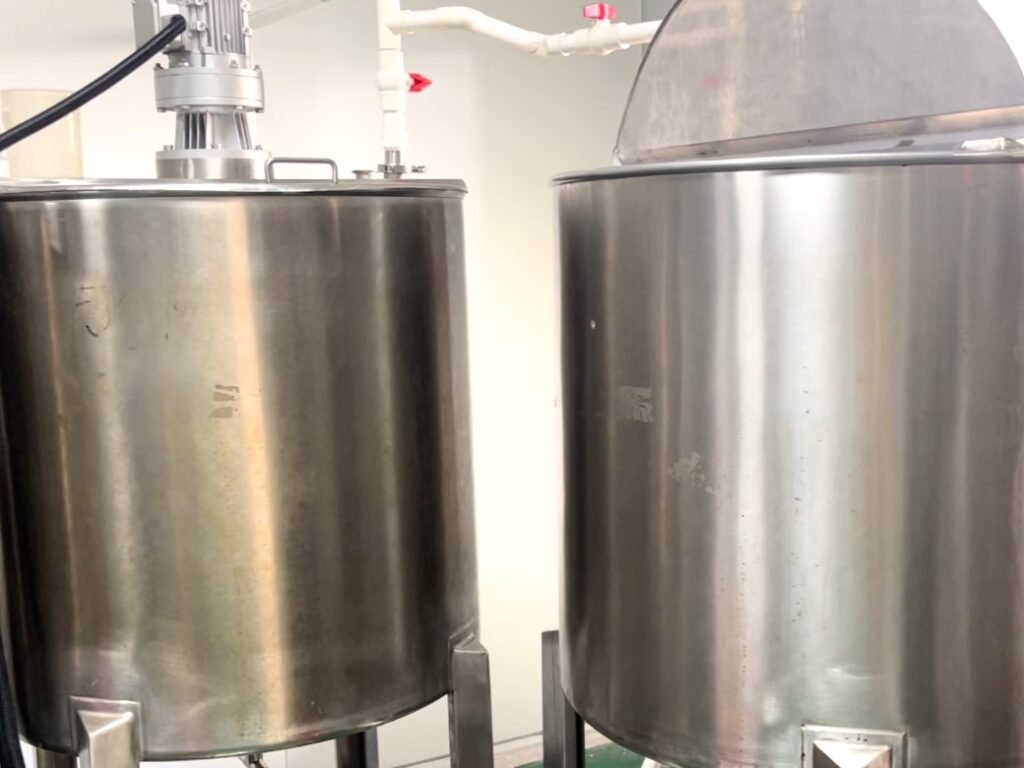
New EcoCare can develop wet wipes using different formulation requirements, depending on the product application and customer specifications.
A water-based formulation option designed for products where a simple and gentle formulation is required.
A formulation option using a pH level of 6.5 for applicable wet wipes products.
EDI water can be used as part of the formulation process to support consistent water quality.
Selected formulations can be developed without bleach, fragrance, alcohol, or fluorescent agents.
Different wet wipes applications may require different formulation approaches. Explore selected New EcoCare products and discuss your target specifications with our OEM team.
Water-based wet wipes developed for everyday baby care, with product specifications and formulations tailored to individual OEM project requirements.
Bamboo-based wet wipes that can be developed with customized formulation, sheet specifications, and packaging for private label brands.
Face wipes for personal care applications, with customizable material, formulation, sheet size, and packaging options.
Learn more about wet wipes ingredients, product development, and formulation-related considerations before starting your next OEM project.
Learn how ingredients, production processes, and product development decisions come together when creating modern wet wipes.
Explore key considerations around baby wet wipes ingredients and product safety when evaluating products for sensitive skin applications.
Understand how material and formulation choices can support the development of wet wipes with specific environmental positioning.
A well-developed formula needs to be applied consistently during production. Explore the main manufacturing stages and see how materials, liquid application, folding, packaging, and quality checks work together.
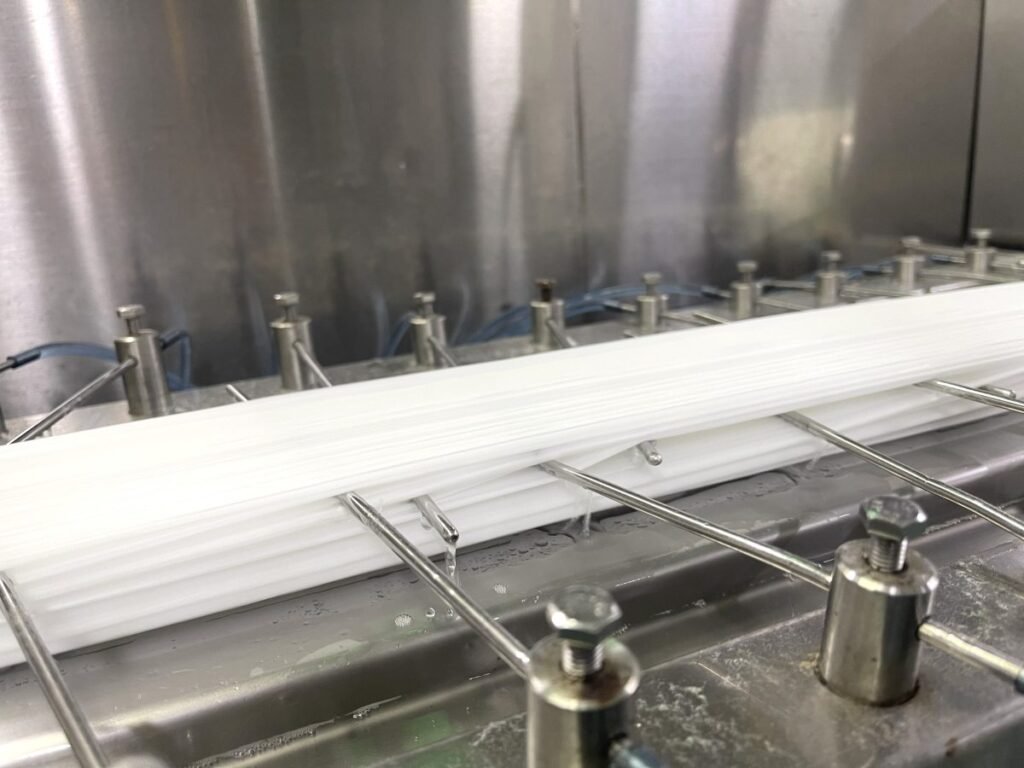
Clear product specifications help reduce misunderstandings during production and make the OEM process easier to manage.
Confirm the substrate, GSM, sheet size, and texture before production.
Define the required formulation, moisture level, and applicable product specifications.
Confirm packaging format, artwork, dimensions, printing, and packing requirements.
Agree on inspection requirements and product standards before mass production.
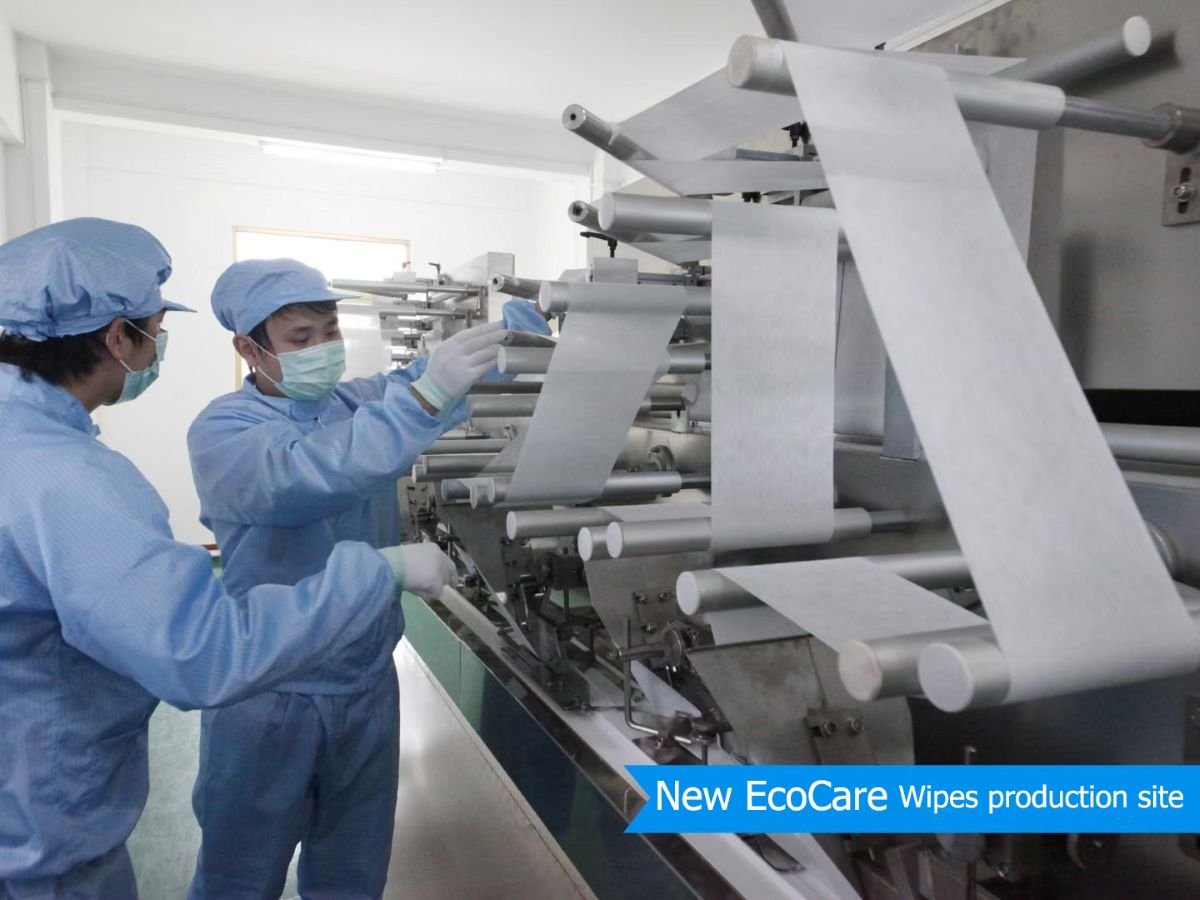
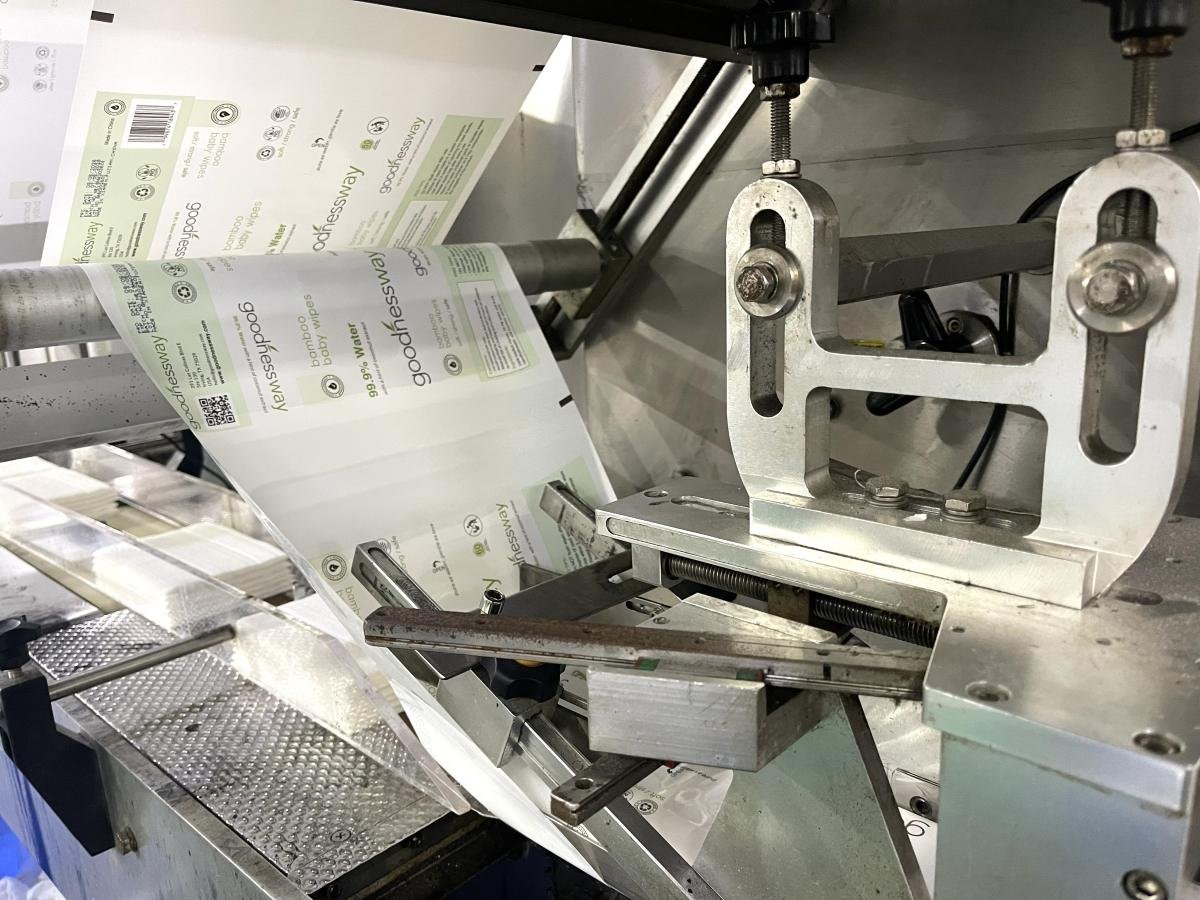
Wet wipes manufacturing involves several connected steps, and consistency at each stage can affect the quality of the finished product. The process generally includes preparing the nonwoven material, applying the required liquid, folding or cutting the wipes, packing them into the selected packaging format, and carrying out quality checks.
For OEM buyers, understanding the manufacturing process makes it easier to communicate product requirements and evaluate a manufacturer’s production capabilities. Material specifications, liquid application, folding accuracy, package sealing, and finished product inspection all need to be considered as part of the overall production process.
New EcoCare coordinates product development, material purchasing, production scheduling, quality control, packaging, and shipment arrangements throughout the OEM project, helping customers manage the process from product requirements through finished goods.
The selected nonwoven material is prepared according to the required specification, including material type, GSM, and sheet requirements.
The specified wet wipes formula is applied to the wipe material at the required moisture level.
The wipes are folded, cut, counted, and packed according to the selected product and packaging format.
Finished products are checked according to the applicable quality requirements before warehouse entry and shipment.
From baby care to personal care and hygiene applications, New EcoCare supports wet wipes projects with customized product specifications and private label packaging.
Baby wet wipes developed for OEM and private label projects, with customized product and packaging specifications.
Face wipes for personal care brands with customizable material, formulation, sheet size, and packaging requirements.
Learn more about wet wipes production, product development, and manufacturing considerations that can help you prepare for an OEM project.
Discover the key features of premium baby wet wipes, including skin-friendly materials, gentle formulations, moisture retention, and everyday usability for infants.
Follow the key stages involved in creating wet wipes and understand how ingredients, materials, and production processes work together.
Consistent production is only part of a reliable OEM process. Quality checks throughout manufacturing help ensure that materials, formulas, packaging, and finished products meet the agreed requirements.
Wet wipes quality depends on more than the finished product. Consistent quality starts with the materials and formula and continues through production, packaging, and final inspection.
For B2B buyers, quality control should cover the characteristics that directly affect product safety, performance, appearance, and packaging integrity. A structured inspection process helps identify issues before products are released for shipment and provides greater consistency between production batches.
New EcoCare integrates quality checks throughout the wet wipes manufacturing process, including raw material inspection, formula verification, production monitoring, packaging inspection, and finished product quality control.
Nonwoven materials and other incoming materials are checked against the required product specifications before production.
The wet wipes liquid formula is checked against the agreed formulation and applicable product requirements.
Packaging and sealing are inspected to help protect the wipes and maintain product quality during storage and transportation.
Finished wipes are checked for relevant product characteristics before they enter the warehouse and proceed to shipment.
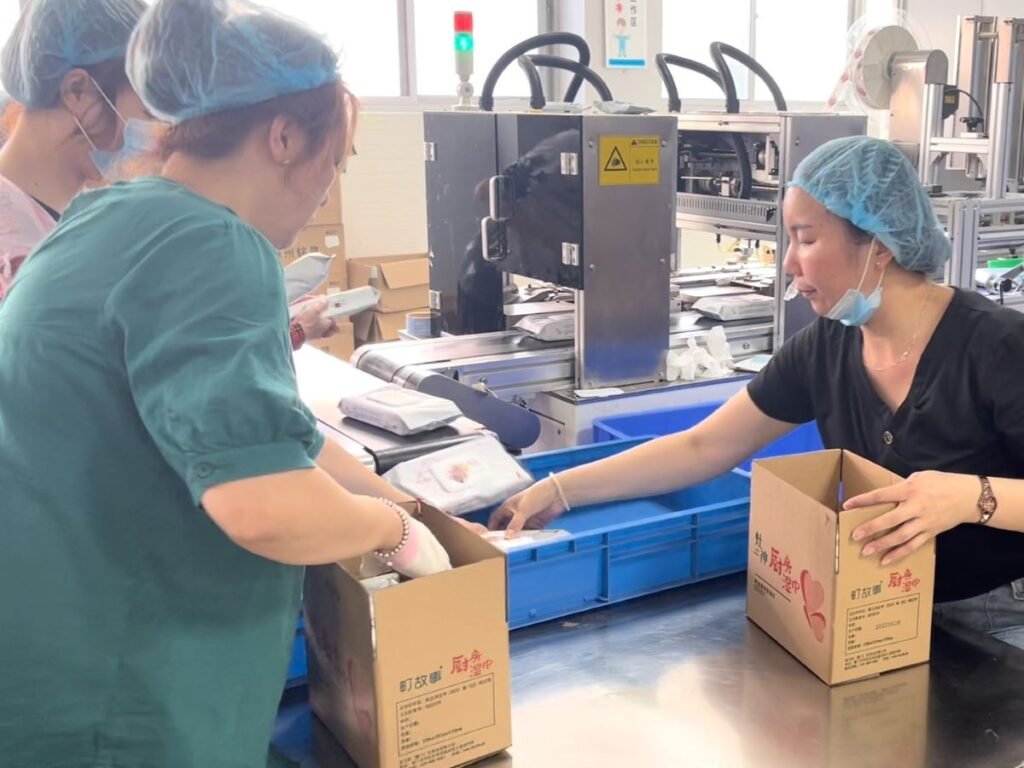
When evaluating a wet wipes sample or production batch, buyers should focus on measurable product requirements rather than appearance alone.
Check the agreed material, sheet size, GSM, texture, and overall construction.
Confirm that the wipes have the required moisture level and consistent liquid distribution.
Check seals, closures, packaging appearance, and protection during handling.
Confirm applicable microbiological testing and requirements for the intended product and market.
A reliable OEM process should define quality requirements before production and maintain checks throughout manufacturing, not only at the final inspection stage.
Confirm product specifications, material requirements, formula, packaging, and applicable quality requirements.
Monitor production conditions and product consistency while the wet wipes are being manufactured and packed.
Inspect finished products and packaging to confirm that the order meets the agreed requirements before delivery.
Product quality requirements vary by application. Explore a New EcoCare wet wipes product and review its specifications, materials, formula, and customization options.
A private label facial wipes solution with defined material, formula, packaging, and quality requirements for personal care applications.
Learn how product testing and quality requirements can help buyers evaluate wet wipes and other disposable hygiene products before mass production.
Understand what buyers should evaluate during sample development, including product specifications, testing requirements, packaging, and final approval.
Learn what buyers should evaluate when comparing wet wipe substrates, including material performance, testing, sampling, and product requirements.
Once product requirements, materials, formulas, and quality expectations are clear, the next step is turning them into a practical OEM project. Learn how New EcoCare supports product development and private label manufacturing.
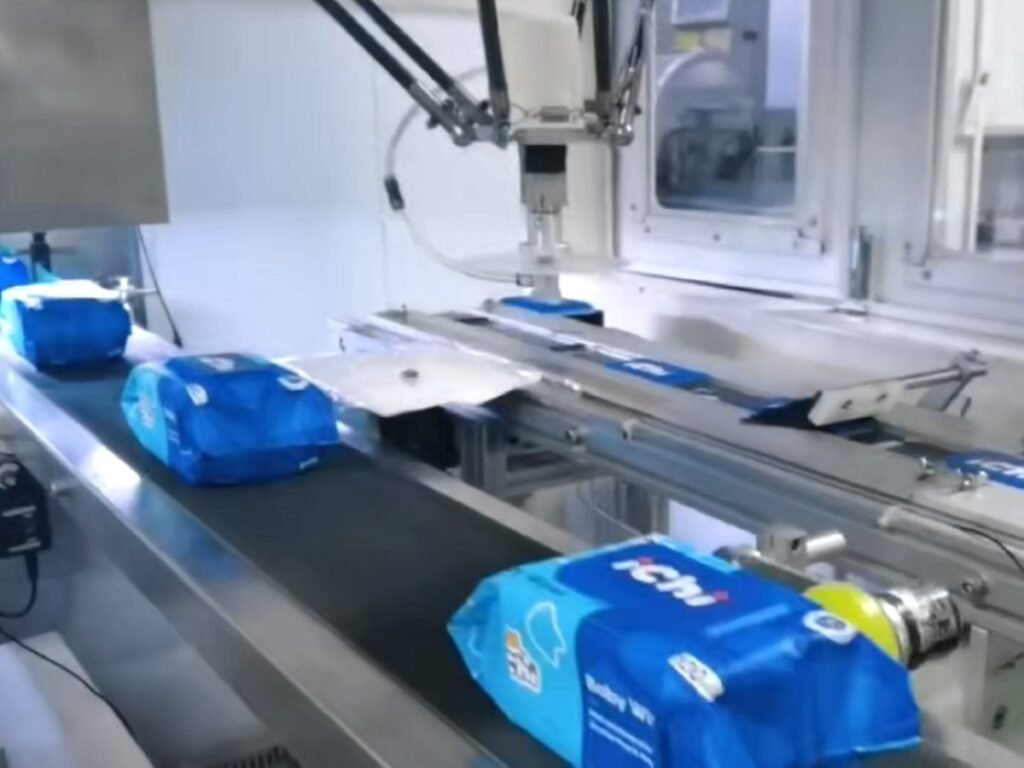
A clear development process helps buyers move from an initial product idea to an approved OEM product with fewer unnecessary changes.
Define the target application, product specifications, materials, formula, packaging, and branding requirements.
Develop samples based on the agreed requirements for product evaluation and adjustment.
After sample approval, coordinate raw materials, production scheduling, packaging, and manufacturing.
Complete quality checks, warehouse entry, quantity confirmation, and shipping arrangements before delivery.
For brands and distributors, an OEM wet wipes project is more than selecting a standard product and adding a logo. Product specifications, materials, formulation, packaging, and branding all need to work together to create a product that fits the target market.
New EcoCare supports OEM and private label wet wipes projects for customers looking to develop products under their own brand. From initial requirements and sample development to material sourcing, production, quality control, packaging, and shipment, our team coordinates the key stages of the project.
Whether you are launching a new wet wipes product or expanding an existing range, clear product requirements help make development more efficient and reduce unnecessary changes before mass production.
Customize wipe dimensions and relevant sheet specifications according to the product requirements.
Develop the wet wipes formula according to the intended application and agreed project requirements.
Choose suitable nonwoven materials and textures based on the intended application and product positioning.
Adjust the required moisture level to match the product specification and user experience.
Select packaging options suitable for the product, market, and distribution channel.
Develop packaging artwork and printed packaging for your private label brand.
Create products under your own brand with customized private label requirements.
Coordinate product development and mass production according to the agreed specifications.
New EcoCare supports customized wet wipes projects for brands, distributors, and importers looking for product specifications and packaging developed around their market requirements.
Custom wet wipes developed for wholesale and private label projects, with options for product specifications, formulation, packaging, and branding.
Explore practical resources about private label wet wipes, OEM manufacturing, and the decisions buyers should make before starting a customized project.
Explore private label wet wipes opportunities and understand how product customization can help brands develop differentiated hygiene products.
Learn what to consider when working with an OEM wet wipes manufacturer, from product development and customization to manufacturing support.
From wipe size and material to formulation, packaging, and branding, customization allows brands to develop wet wipes that fit their product positioning and market requirements.
Wet wipes customization allows brands to develop products that match their target users, application, packaging format, and market requirements. Instead of relying on one standard specification, buyers can define key product details before moving into mass production.
Depending on the project, customization may include the wipe material, sheet size, GSM, texture, formula, moisture level, packaging format, and private label design. These specifications should be considered together because changes to one part of the product can affect other aspects of the finished wipes.
New EcoCare works with customers to confirm product requirements during development and coordinate the relevant materials, formula, packaging, production, and quality requirements before mass production.
Select suitable nonwoven materials according to the intended application and product positioning.
Customize the dimensions of individual wipes to fit the intended product and packaging format.
Choose suitable fabric weight and surface texture according to the required product feel and performance.
Develop the liquid formulation according to the product application and agreed project requirements.
Adjust the amount of liquid in the wipes according to the agreed product specification.
Select a suitable packaging format based on product requirements and distribution needs.
Develop printed packaging and private label artwork around your brand requirements.
Build the finished product under your own brand with customized packaging and product specifications.
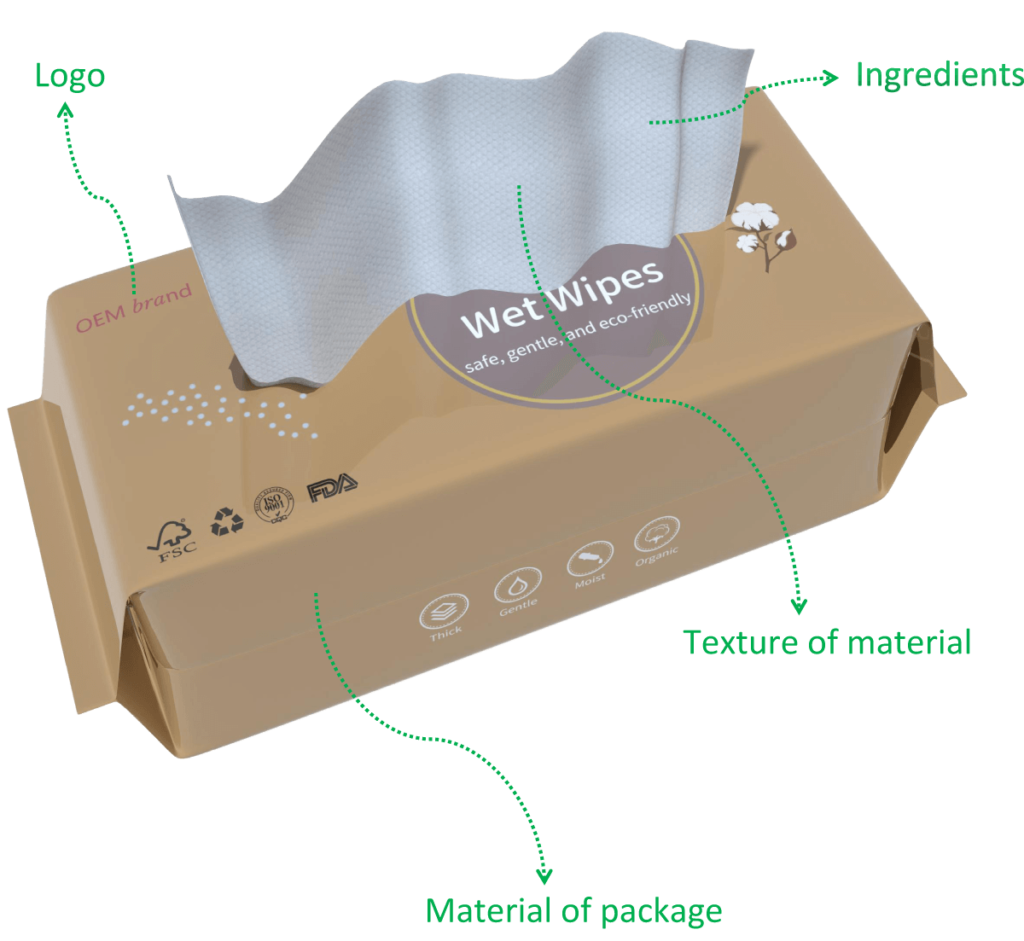
The more clearly product requirements are defined before sampling, the easier it is to evaluate samples and avoid unnecessary changes before production.
Identify how the wipes will be used and who the intended users are.
Define the material, sheet size, GSM, texture, formula, moisture level, and other required specifications.
Confirm the packaging format, dimensions, artwork, printing, and private label requirements.
Review the developed sample against the agreed requirements before proceeding to mass production.
Packaging affects product protection, convenience, appearance, and shipping requirements. Explore the main packaging considerations for wet wipes and how packaging can be developed around your product specifications.
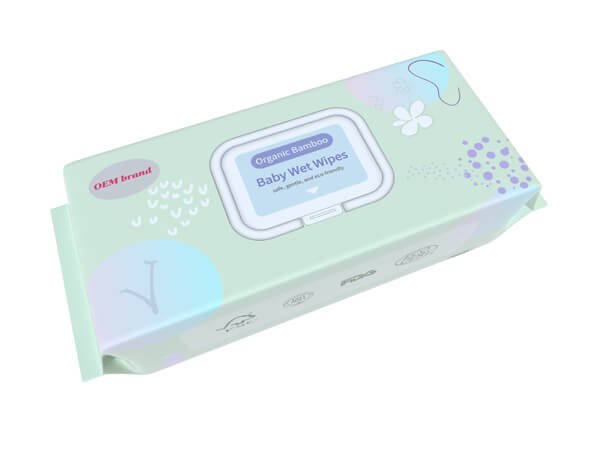
New EcoCare can develop packaging around different wet wipes categories, from baby and personal care wipes to facial and household applications. For example, travel-size formats can support on-the-go use, while larger packs may be more suitable for regular household or baby care use.
For brands with a sustainability-focused positioning, packaging materials can also be considered alongside the wipe substrate. New EcoCare currently presents options including regular PE bags, biodegradable EPI bags, and biodegradable kraft bags for selected wet wipe applications.
The right packaging choice should balance product protection, usability, appearance, production requirements, and market positioning rather than focusing on appearance alone.
Wet wipes packaging needs to do more than carry the product. It needs to help protect moisture, maintain package integrity, support convenient use, and present the brand clearly in the target market.
For OEM and private label wet wipes, packaging can be customized around the product format, sheet count, target application, retail channel, and brand positioning. New EcoCare supports different packaging methods and materials, including bagged and boxed formats, with options such as matte film, glossy film, and metallized film.
Packaging details should also be confirmed together with the wipe specifications. Sheet size, pack quantity, opening style, lid, sealing performance, and artwork all affect the final product and should be reviewed before production.
Choose a format that matches how the wipes will be sold and used, such as soft packs, travel packs, canisters, bags, or boxes.
Pack quantities can be customized according to the product type and target market. Current New EcoCare options include several common pack sizes, as well as customized quantities.
Different film materials can create different visual effects and protection characteristics. Options currently include matte film, glossy film, and metallized film.
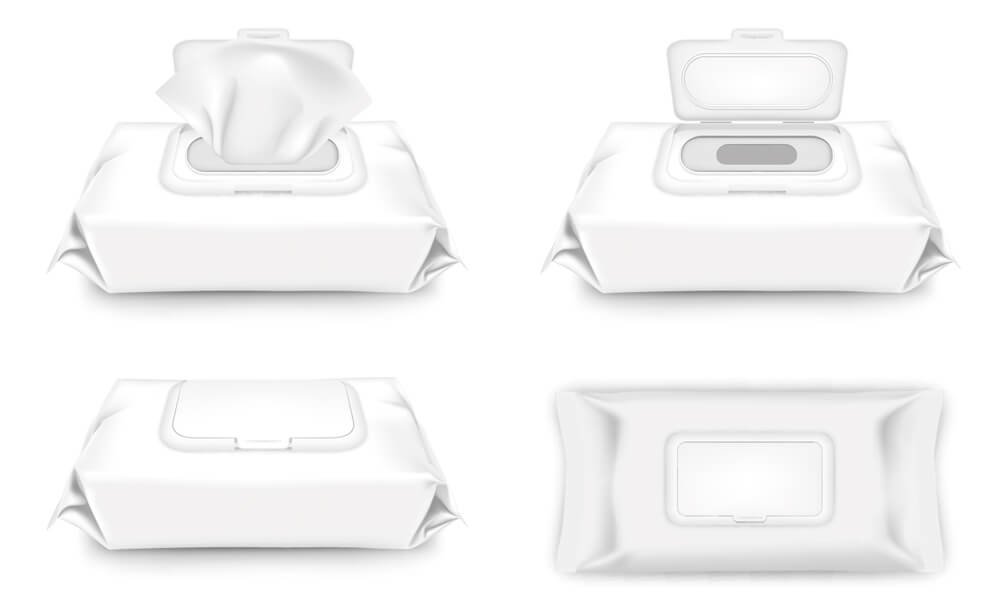
Lid or no-lid options can be selected according to the packaging format. The opening should provide convenient access while helping the package retain moisture during normal use.
Different wet wipes products can use different packaging formats depending on their application, sheet count, formula, and target market. Explore a customizable wet wipes solution that can be developed around your product and packaging requirements.
New EcoCare supports customized wet wipes with options for wipe size, fabric weight, formula, logo, and personalized packaging design for private label brands.
Material selection and packaging are only part of the sustainability discussion. The next step is to look at biodegradable materials, bamboo-based options, and other considerations when developing more environmentally conscious wet wipes products.
Sustainability in wet wipes starts with understanding what the product is made from and how those materials fit the intended application. For OEM brands, the wipe substrate, packaging, formula, and product claims all need to be considered together.
Bamboo-based nonwoven is one option for brands looking to develop wet wipes with a more sustainability-focused positioning. New EcoCare offers bamboo fiber options for wet wipes, including products made with bamboo viscose spunlace nonwoven.
However, choosing a more sustainable material does not automatically make the entire wet wipe biodegradable or compostable. The substrate, lotion formula, packaging, adhesives, and other components should be evaluated separately before making environmental claims.
Bamboo fiber can be considered as an alternative to conventional synthetic-based nonwoven materials for selected wet wipe applications.
Look at the complete product rather than focusing only on the wipe fabric. The liquid formula and other components also affect the overall environmental profile.
Packaging should be evaluated together with the wipe material. Depending on the product and requirements, packaging options may include conventional or biodegradable materials.
Claims such as biodégradable, compostableou écologique should be based on the actual product composition and appropriate supporting documentation. Avoid making a broader claim than the product can support.

Bamboo fiber is increasingly considered by brands developing wet wipes with a more environmentally conscious product positioning. New EcoCare offers bamboo wet wipe options with customized sheet sizes, fabric specifications, packaging, and formulas.
For example, selected New EcoCare bamboo wet wipe products use bamboo fiber substrates and water-based formulations. One current product option uses 100% bamboo fiber with customized sizes, packaging, fragrance, and moisture formulas.
For B2B buyers, the important question is not simply whether a wipe contains bamboo. It is whether the entire product specification matches the environmental positioning you want to communicate in your market.
From baby wipes to personal care and household applications, different wet wipe products can be developed with different substrate, formula, packaging, and customization requirements.
Explore New EcoCare’s wet wipes range and identify product formats that may fit your target application and market.
Explore selected wet wipes products from New EcoCare and see the types of materials, formulas, sizes, and packaging options available for OEM and private label development.
Explore selected wet wipes products from New EcoCare, covering baby care, bamboo-based products, facial cleansing, and customized private label solutions.
Each product can be developed around different material, formula, sheet size, packaging, and branding requirements, depending on the application and target market.
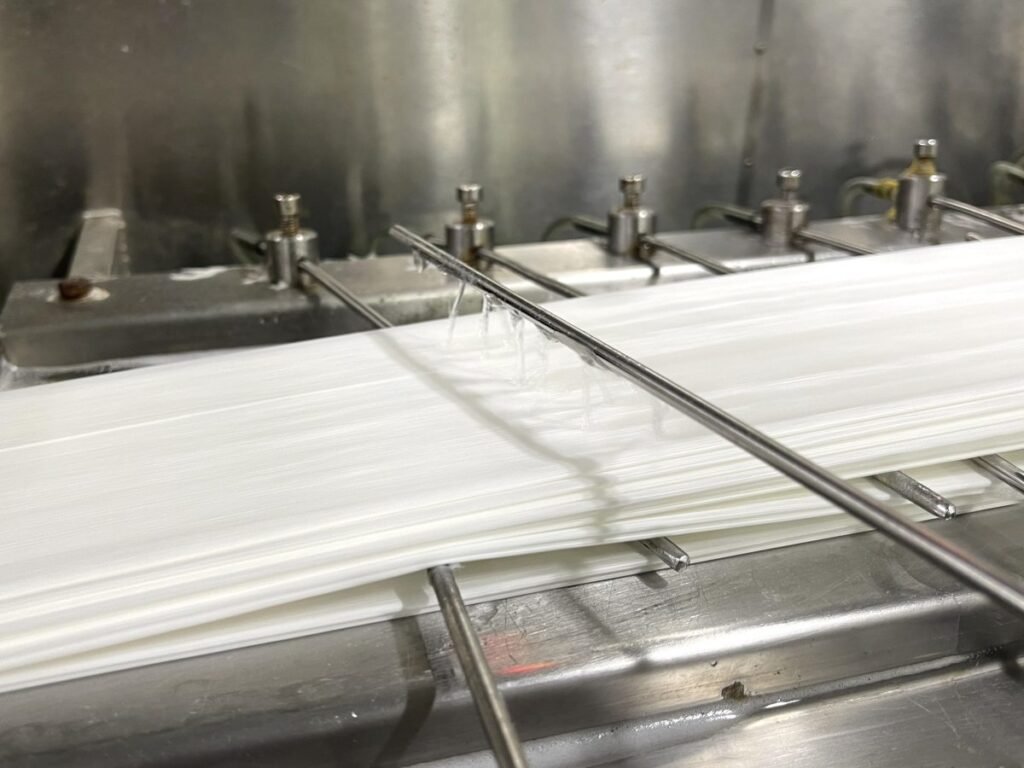
Made with purified water and soft nonwoven fabric, these wipes are designed for gentle everyday baby care. The product supports customized sheet sizes, pack quantities, formulas, and private label packaging.
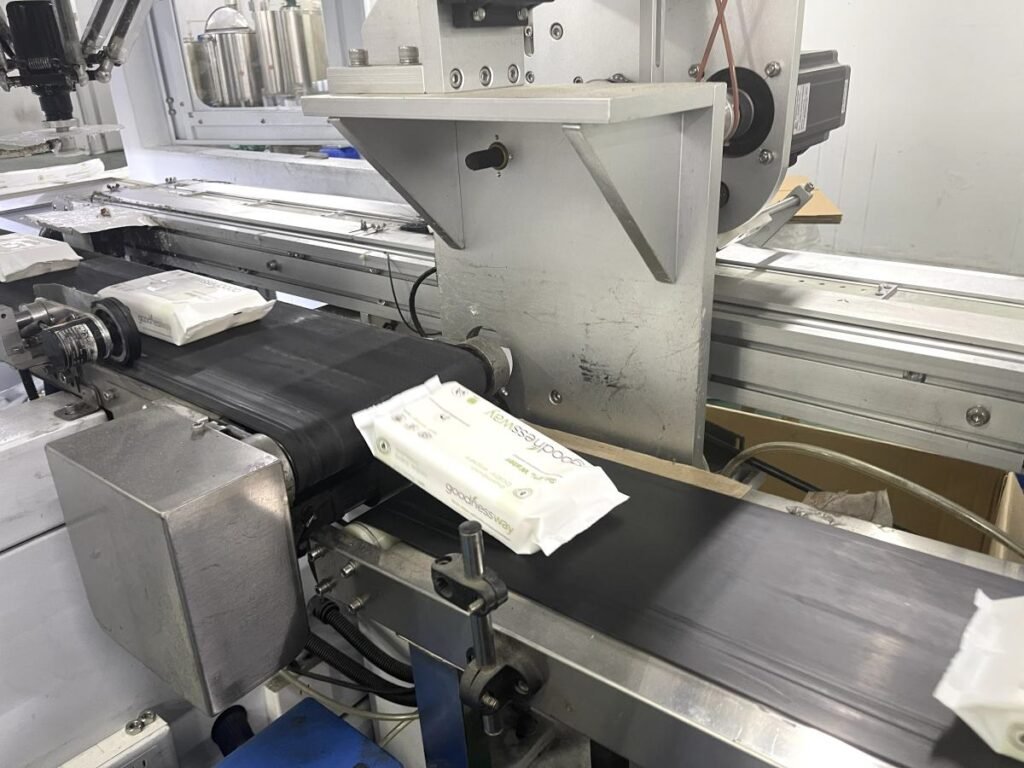
Bamboo fiber wet wipes for brands looking for a plant-based substrate and a more sustainability-focused product positioning. Customized sizes, formulas, packaging, and branding are available.
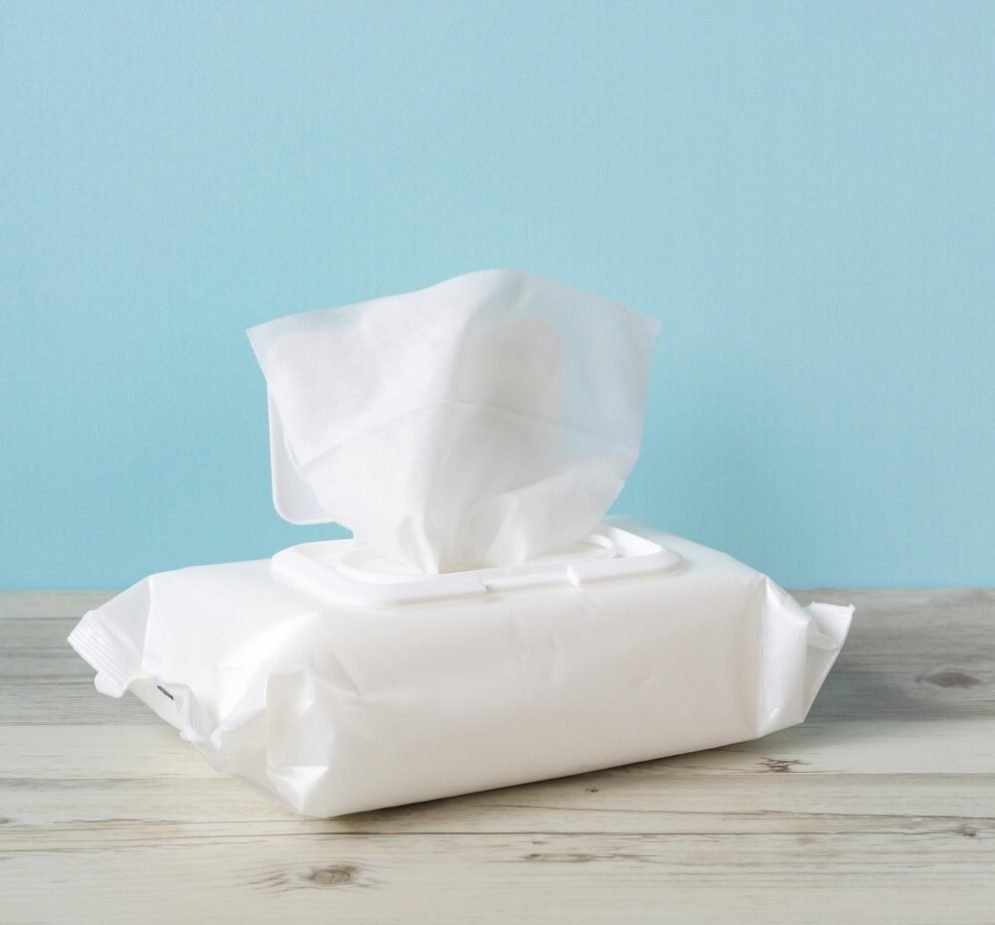
Soft facial cleansing wipes designed for daily skincare and sensitive-skin applications. Brands can customize the wipe material, formula, sheet size, packaging, and private label design.
A flexible OEM wet wipes solution for brands that need their own specifications, logo, packaging, and product configuration. Suitable for developing different wet wipe concepts around specific market requirements.
Your target application may require a different material, sheet size, formula, moisture level, pack format, or packaging design. Talk with our team about the specifications you need for your market.
Product specifications are only part of the sourcing decision. Production and quality-control videos can help buyers better understand how wet wipes are manufactured, inspected, and prepared for shipment.
See how wet wipes are developed, manufactured, inspected, and prepared for private label production.
These videos provide a practical look at wet wipes production and product details, helping OEM buyers better understand what to expect during product development and manufacturing.
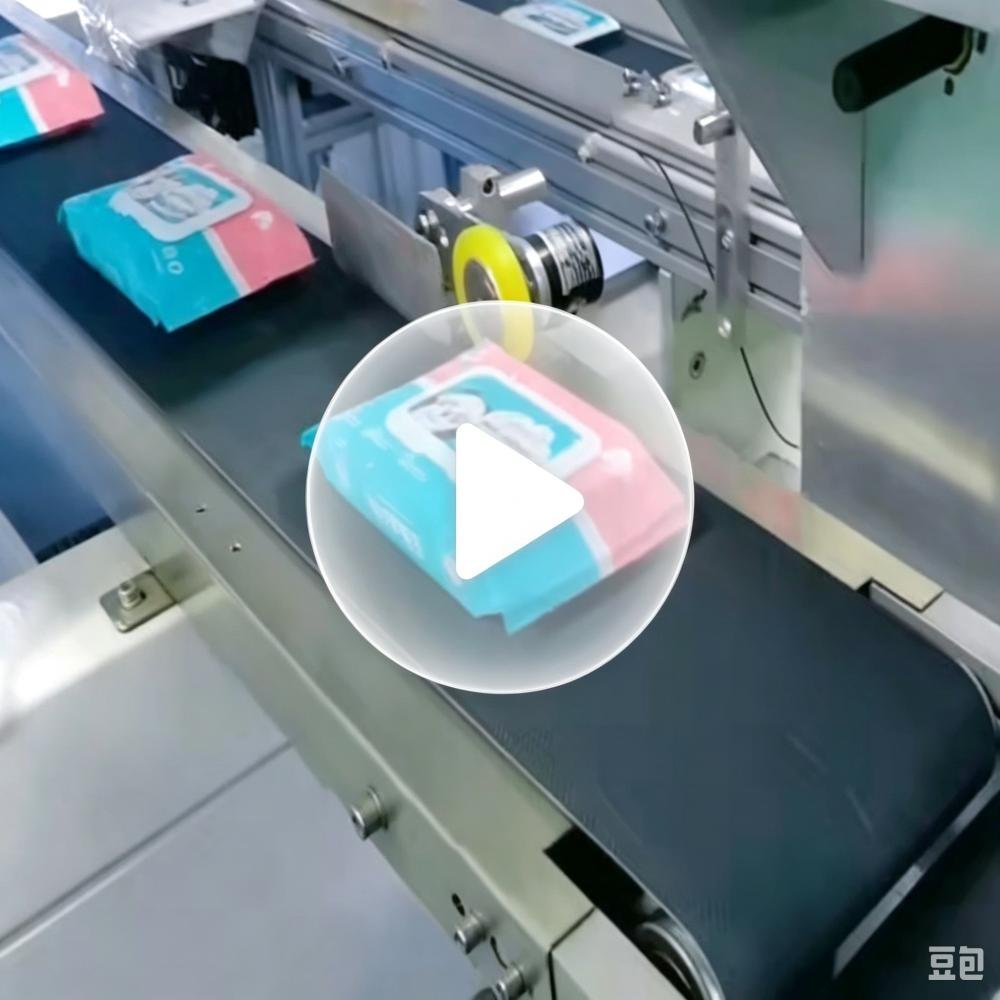
Take a closer look at the wet wipes production process, from material preparation and liquid application to folding, packaging, and finished product handling.
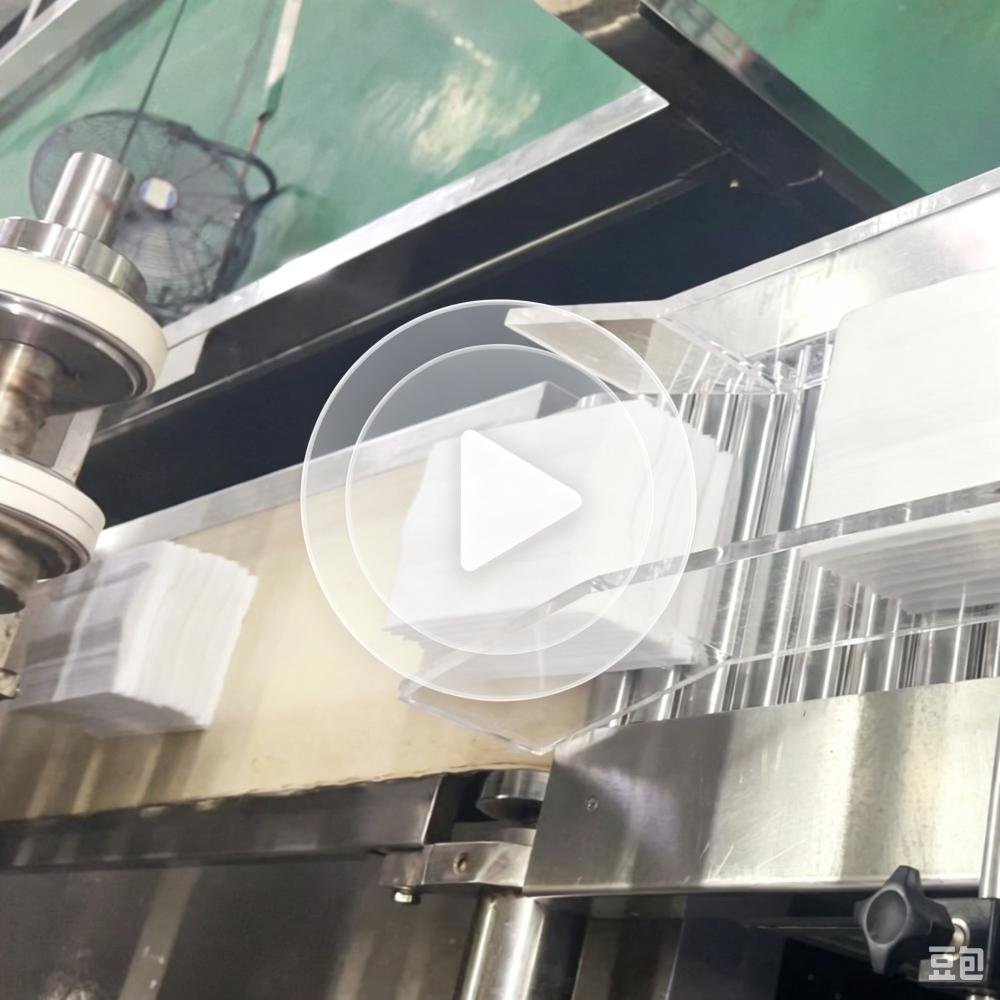
See how key quality points are checked during wet wipes production, including product appearance, packaging, moisture, and finished product inspection.
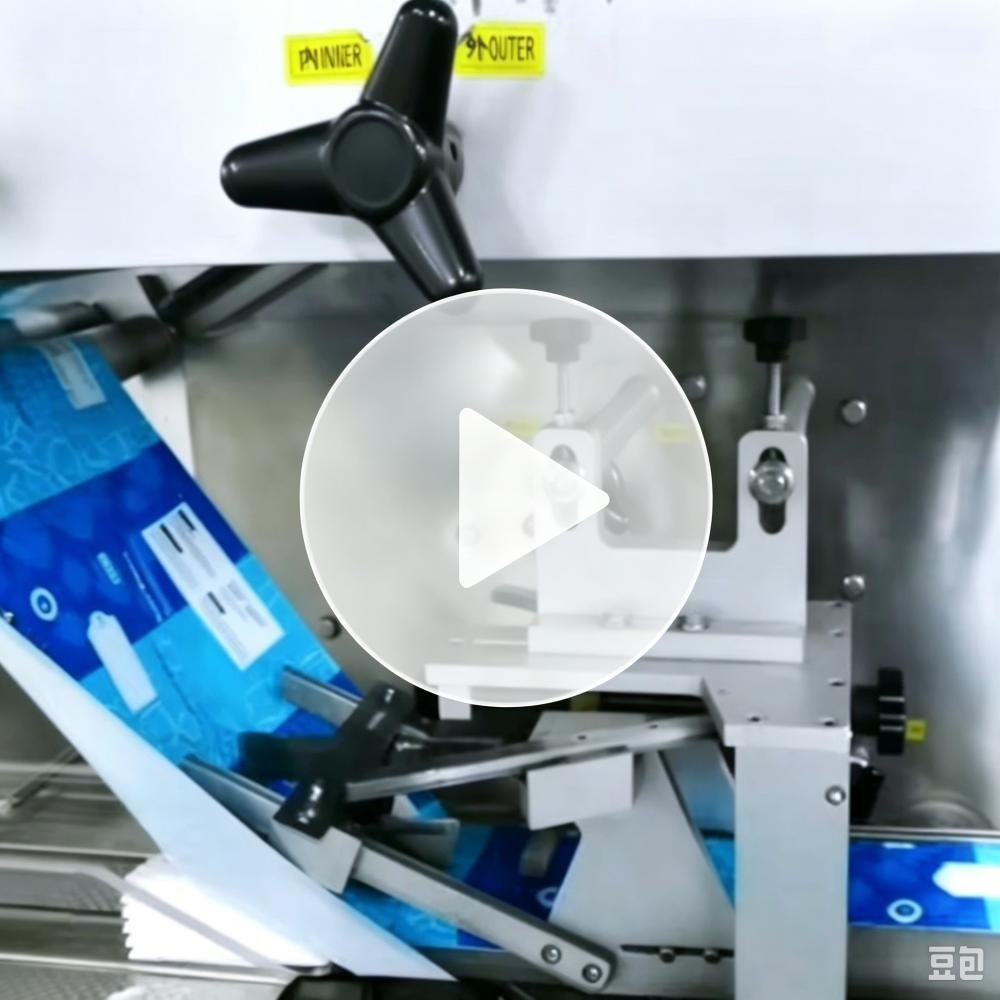
Explore the finished wet wipes product in more detail, including the wipe structure, packaging format, opening design, and other specifications that OEM buyers may need to confirm before production.
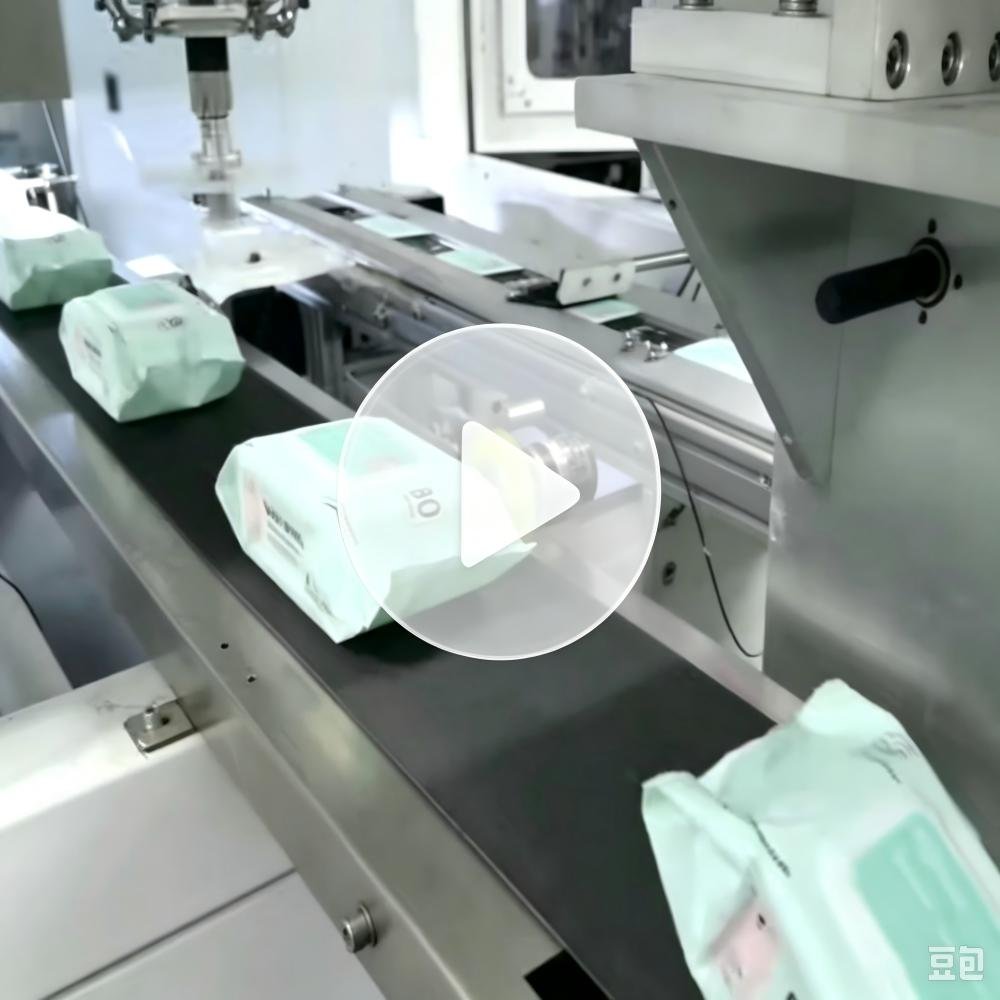
See how different private label wet wipes products are produced for different brand requirements. The video shows how product specifications, packaging, and production details can vary from one brand project to another.
From materials and formulas to customization, packaging, quality control, and private label production, here are answers to common questions from wet wipes buyers.
Have questions about wet wipes materials, formulas, customization, packaging, or OEM production?
Here are some of the questions buyers commonly consider when developing wet wipes with a private label manufacturer.
Wet wipes can be made with different nonwoven substrates depending on the intended application and product requirements. New EcoCare currently offers spunlace nonwoven, 100% bamboo fiber, flushable fabric, and 100% cotton nonwoven options.
Fabric texture can also be customized, including plain weave, pearl pattern, EF textured, and mesh cloth.
Wet wipe sheet dimensions can be customized according to the product application and packaging requirements. Common options include 12.5 × 18 cm, 13 × 18 cm, 15 × 18 cm, 15 × 20 cm, and 16 × 20 cm, with custom sizes available for specific projects.
Yes. Formula requirements can be discussed during product development. Depending on the product application, buyers can specify requirements such as water quality, pH level, fragrance, preservation system, and other formulation characteristics.
For example, New EcoCare currently offers water-based wet wipe options, including products using purified water-based formulations.
Yes. New EcoCare offers bamboo fiber wet wipes for OEM and private label development. Product specifications such as sheet size, fabric weight, formula, packaging, and branding can be discussed according to your market requirements.
Packaging can be customized according to the product format and brand requirements. Options can include different packaging formats, film materials, pack quantities, opening designs, and lid or no-lid configurations.
Packaging artwork and private label branding can also be developed as part of the OEM project.
Yes. Private label wet wipes can be customized with your brand logo and packaging artwork. The packaging design should be confirmed together with the pack format, dimensions, materials, printing requirements, and other production specifications before manufacturing.
A typical project starts with your product requirements, followed by specification confirmation and sample development. Once the product and packaging samples are approved, production can be scheduled according to the confirmed specifications.
The main stages generally include:
Requirements → Sample Development → Production → Quality Inspection & Shipment
Quality control can cover raw materials, formula requirements, wipe specifications, moisture level, packaging integrity, and finished product inspection.
Quality checks can be carried out at different stages of production, including before production, during manufacturing, and before shipment, according to the agreed product and quality requirements.
Yes. Samples can be requested during the product development stage so buyers can evaluate important characteristics such as wipe material, softness, texture, moisture level, formula, sheet dimensions, packaging, and sealing performance before moving forward with production.
Yes. Bamboo fiber is one option available for selected wet wipe applications. Packaging materials can also be considered as part of the product development process.
However, environmental claims should be based on the actual composition of the complete product. A biodegradable or bamboo-based wipe should not automatically be described as fully biodegradable or compostable without appropriate supporting evidence.
Our experienced OEM specialists are happy to answer your questions about wet wipes materials, formulas, product development, customization, packaging, quality requirements, and international production.
Contact our team to discuss your project and receive support based on your specific product requirements.
Whether you are developing a new wet wipes product, looking for a private label solution, or need help with materials, formulas, packaging, and production specifications, our team can help you move from product concept to finished product.
Remplissez le formulaire ci-dessous et nous vous contacterons dans les plus brefs délais.
 French
  English
  Spanish
  Russian
  Arabic
  German
  Italian
  Portuguese
  Greek
Greek