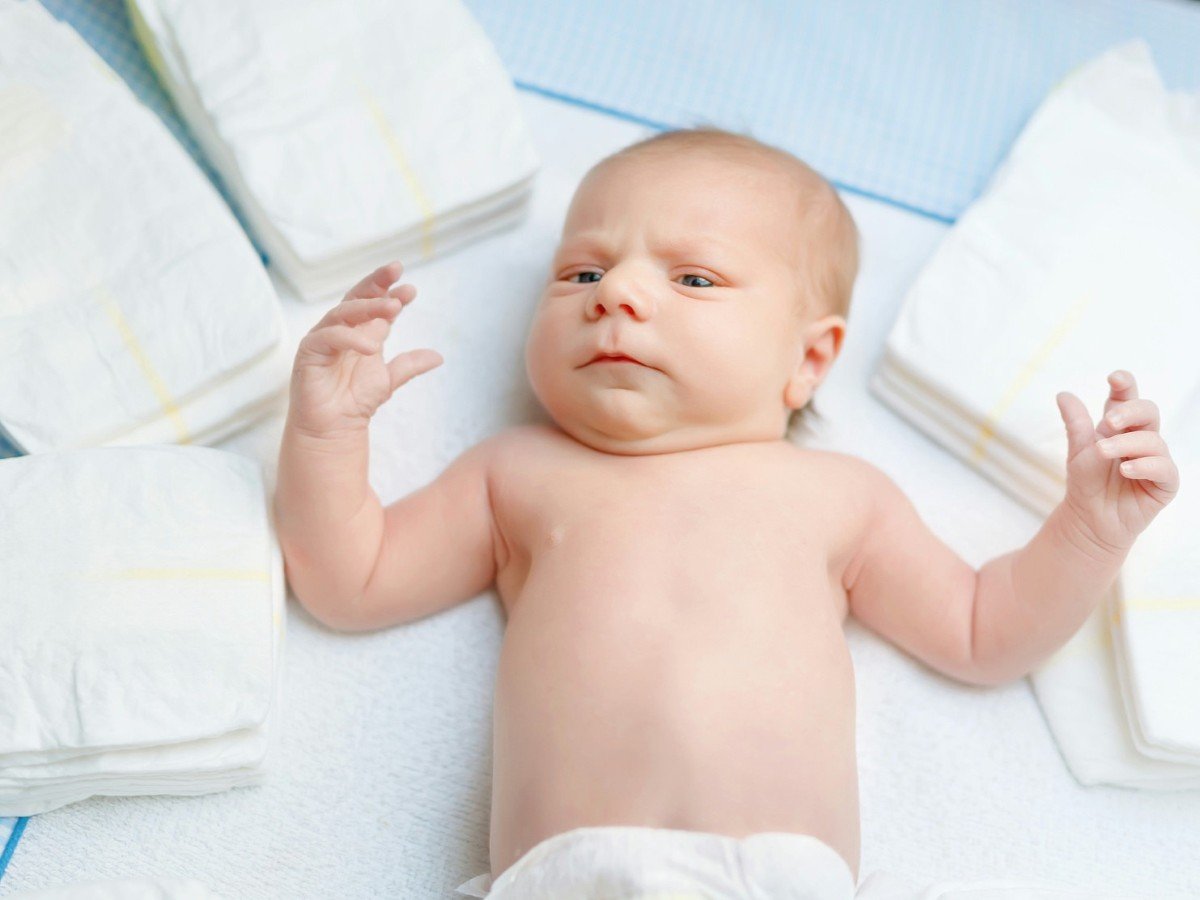
When comparing fralda materiais, many buyers focus only sobre whether eles são plant-baseado ou synthetic. However, a reality é more complex: Both plant-based and synthetic materials can be safe for baby skin when properly engineered. In OEM diaper manufacturing, material selection alone does not determine performance—structure design, absorbency balance, and skin-contact layers are the key factors that influence comfort, safety, and leakage control.
Índice
Introdução
In recent years, more marcas entrar a bebé care market have started asking a similar question:
Should nós choose plant-baseado materials ou synthetic materials para bebé diapers?
Em first glance, a answer may seem straightforward. Plant-baseado materials são often associated com sustentabilidade e gentleness, while synthetic materials são linked para high desempenho e consistency. However, from um OEM fabrico perspective, a reality é more nuanced.
Em Novo EcoCare, nós work com global distribuidores, privado etiqueta marcas, e importers que need not only a “good story” para marketing, but also estável produto performance, supply reliability, e cost controlo.
Este article breaks down a chave differences from a B2B decision-fabrico perspective, helping buyers select a right material strategy para seus target mercado.
Quick Comparison: Plant-Based vs Synthetic Diaper Materiais
Before going deeper into technical details, here é a rápido comparison that many buyers find useful when selecting OEM fralda materials:
Quick Resposta
Both plant-baseado e synthetic materials pode ser pele-safe
OEM desenho determines softness, absorbency, e leakage controlo
Hybrid material structures são often a most effective solution para privado etiqueta marcas
Key Comparison Table
| Factor | Plant-Based Materiais | Synthetic Materiais |
|---|---|---|
| Pele Feel | Natural perception | Engineered suavidade |
| Performance | Moderate (depends sobre design) | Highly coerente |
| Custo | Higher | More competitivo |
| Supply Stability | Variable | Stable |
| Escalabilidade | Moderado | Elevado |
Best Choice para B2B Buyers
Prémio eco brands: plant-baseado ou hybrid
Mass market brands: synthetic ou hybrid
Fast-scaling brands: synthetic-dominant com eco elements
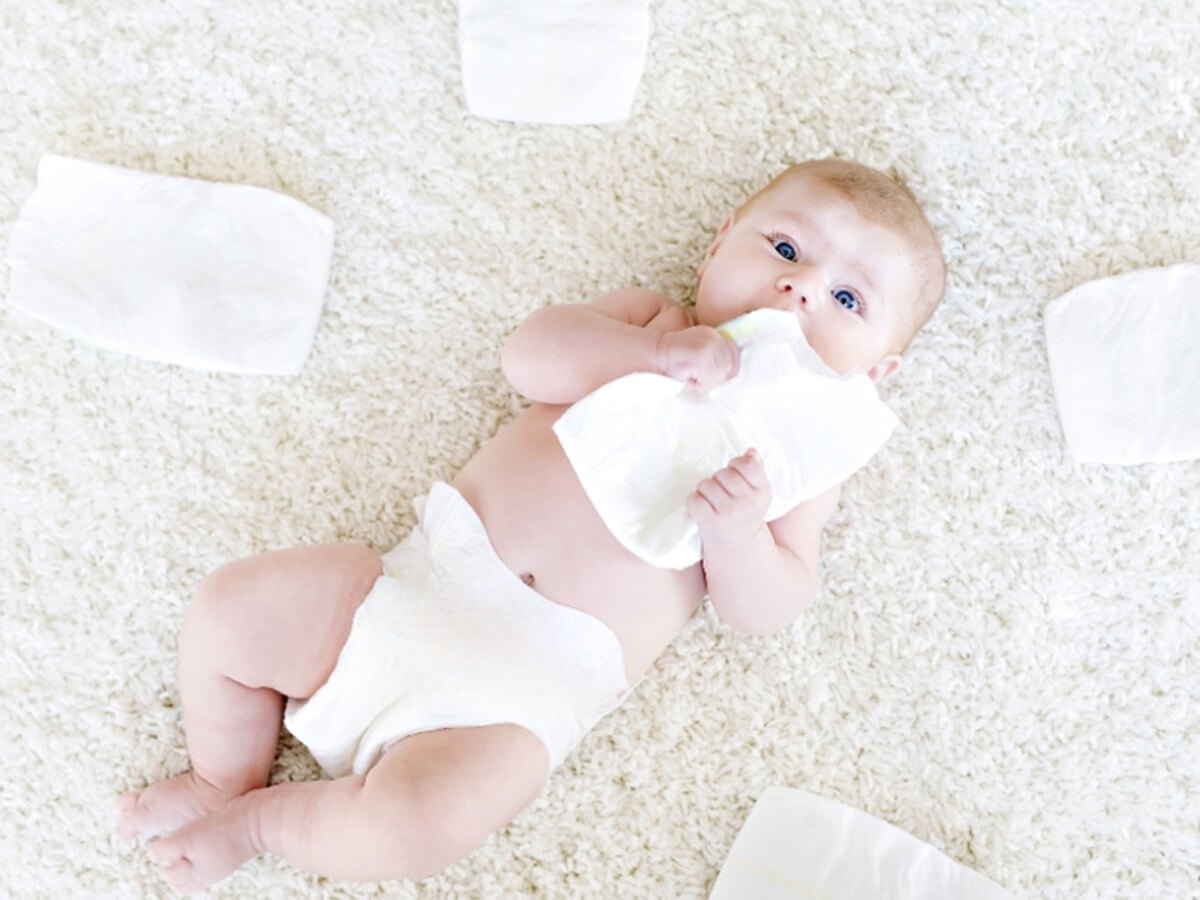
Pele Contact Considerations
When evaluating materials para bebé diapers, pele contact segurança é always a top priority.
1. Compreensão a Baby Pele Barrier
Baby pele é thinner e more sensível than adulto pele. O outer layer (stratum corneum) é still developing, fabrico ele more vulnerable para:
Friction
Moisture imbalance
Chemical irritação
Este means a top sheet (a camada directly touching skin) plays a critical role.
2. Plant-Based Materiais: Natural but Not Always Softer
Common plant-baseado materials utilizado em fraldas incluir:
Bambu fibra
Algodão
Viscose derived from wood pasta
Estes materials são often marketed como:
Respirável
Natural
Eco-amigável
However, em fabrico practice:
Bruto bamboo fibra é not inherently soft sem processing
Fiber uniformity pode vary dependente sobre sourcing
Additional treatments são often required para achieve coerente suavidade
3. Synthetic Materiais: Engineered para Stability
Synthetic materials tal como:
Polipropileno não tecido tecido
PE film
são amplamente utilizado em higiene produtos because eles offer:
Controlled fibra structure
Consistent suavidade
Low irritação when properly processed
Moderno não tecido technology permite OEM manufacturers para create:
Ultra-soft top sheets
Hydrophilic finishes para rápido líquido absorption
Low-friction surfaces para reduce pele irritação
Key Takeaway para Buyers
De a B2B standpoint:
Pele-friendliness depends more sobre finishing technology than raw material origin.
A well-concebido synthetic top folha pode ser just como suave como a plant-baseado one—e sometimes more coerente across large produção volumes.
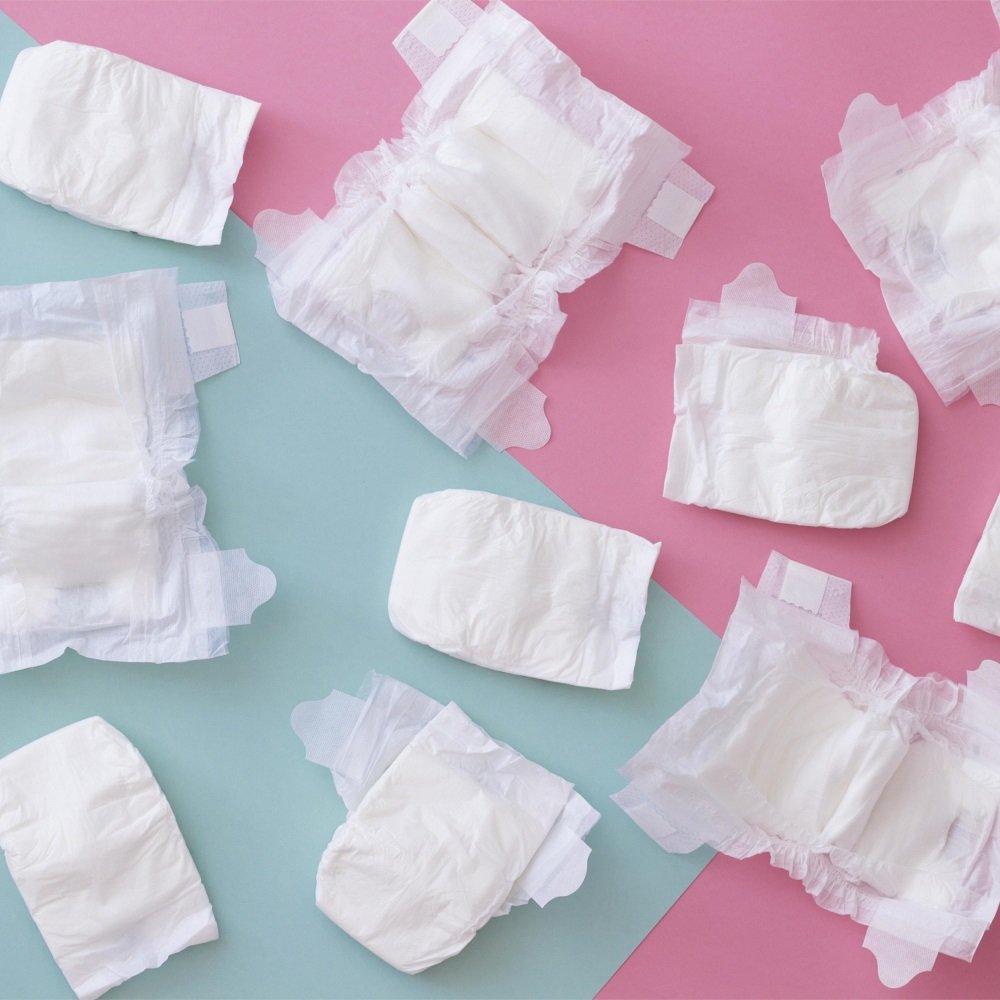
Performance Differences
Beyond pele feel, fralda desempenho é what ultimately determines user satisfaction e repeat orders.
1. Absorção e Liquid Management
O core de fralda desempenho lies in:
SAP (super absorbent polymer)
Fluff pasta
Núcleo structure desenho
Plant-baseado vs synthetic materials mainly affect:
Liquid distribution velocidade
Surface secura
Synthetic topsheets typically:
Allow faster líquido penetration
Keep a surface drier
Plant-baseado topsheets may:
Feel more “natural”
But pode retain slightly more humidade if not engineered properly
2. Leakage Proteção
Leakage é influenced by:
Leg cuff elasticity
Barrier structure
Back folha material
Synthetic materials (como PE film) provide:
Strong líquido barrier
Reliable selagem desempenho
Plant-baseado alternatives (como bio-baseado films) são improving, but may still face:
Lower durability em some conditions
Higher produção complexity
3. Respirabilidade vs Proteção Balance
Este é where OEM desenho becomes critical.
Plant-baseado materials often promote airflow
Synthetic materials pode ser engineered com microporous structures
A profissional OEM fabricante will balance:
Respirabilidade
Leak prevention
Structural integridade
Key Takeaway para Buyers
Performance é not determined by plant vs synthetic—ele é determined by how materials são combined.
Para privado etiqueta marcas, this é porquê choosing um experimentado OEM partner é more important than choosing a single “trendy” material.
Custo e Supply Stability
Para distribuidores e marca owners, material choice é not only about produto positioning—ele directly affects profit margins e supply chain reliability.
1. Custo Estrutura Differences
Plant-baseado materials:
Usually have higher raw material costs
Require more processing
Lead para higher QUANTIDADE MÁXIMA DE ENCOMENDA em some cases
Synthetic materials:
Benefit from mature global supply chains
Offer more competitivo pricing
Allow better cost controlo para grande-escala produção
2. Supply Chain Stability
Plant-baseado material supply depends on:
Agricultural output
Seasonal variation
Regional sourcing
Este pode create:
Price fluctuations
Longer lead times
Inconsistent qualidade
Synthetic materiais, sobre a other hand, provide:
Stable supply
Predictable lead times
Standardized qualidade
3. Escalabilidade para Growing Marcas
Para marcas planning para escala quickly, consistency é key.
Synthetic materials apoio high-volume produção stability
Plant-baseado linhas may require more supply chain coordination
Key Takeaway para Buyers
If seu priority é estável supply e cost efficiency, synthetic materials oferta clear advantages.
If seu priority é eco-positioning, plant-baseado materials pode add value—but require stronger supply chain management.
OEM Recommendations
De nosso experiência working com global OEM clients, a most successful fralda produtos são not built sobre a single material concept, but sobre balanced engineering e clear market positioning.
1. Hybrid Material Strategy (Recommended)
Instead de choosing one side, many marcas agora adopt a hybrid approach, tal como:
Plant-baseado top sheet (para marketing e pele perception)
Synthetic acquisition layer (para performance)
High-efficiency SAP core
Respirável PE back folha
Este permite marcas para achieve:
Strong produto story
Reliable desempenho
Competitive pricing
2. Match Material para Market Segment
Different markets have diferente expectations:
Prémio markets: preferir eco-friendly, plant-baseado positioning
Price-sensível markets: prioritize desempenho e cost
Emerging brands: need a balance de both
3. Focus sobre OEM Customization, Not Just Materiais
When selecting um OEM fralda manufacturer, buyers should evaluate:
Material sourcing capability
Personalizado structure desenho
Quality controlo systems
Experiência com privado etiqueta fralda fabrico
Because:
O real differentiation comes from produto conceção, not just material selection.
4. Certification e Transparency
Regardless de material type, ensure:
Pele segurança testing
Material traceability
Conformidade com internacional normas
Este é especialmente important para marcas entering:
Europa
North America
High-regulation markets
Conclusão
O debate between plant-baseado e synthetic materials é often oversimplified.
In reality:
Both opções pode ser safe para bebé pele
Both have strengths e limitations
Neither guarantees produto success sobre its próprio
Para B2B buyers, a smarter approach é para focus on:
OEM engineering capability
Produto structure desenho
Supply chain reliability
Em Novo EcoCare, nós ajuda nosso partners desenvolver personalizado fralda soluções that combine material innovation com fabrico expertise—ensuring that produtos not only look good sobre paper, but also perform consistently em real mercados.

 Portuguese
  English
  Spanish
  Russian
  Arabic
  German
  French
  Italian
  Greek
Greek