Pet training pads are a practical product category for pet care brands looking to build or expand their disposable hygiene product range. From puppy training to everyday urine management for older or incontinent pets, these products serve different needs across retail, e-commerce, veterinary, and pet supply channels.
For brand owners, importers, and distributors, developing a private label pet training pad involves more than selecting a standard product and putting a logo on the packaging. Material selection, absorbency, pad dimensions, leakage protection, and packaging all influence the final product and its suitability for different markets.
At New EcoCare, we work with B2B customers developing disposable pet care products for their own brands. This article explains the main product development considerations, helping you prepare a clearer specification before starting an OEM project.
For a broader overview of disposable pet care products, materials, and private label opportunities, explore our Pet Care Knowledge Center.
Índice
1. Why Pet Training Pads Are an Important Product for Pet Brands
Disposable pet training pads, also known as dog pee pads or pet underpads, are absorbent products designed to collect urine and help protect floors and other surfaces.
They are commonly used for:
Puppy house training.
Older dogs that have difficulty going outdoors.
Pets experiencing temporary or ongoing incontinence.
Indoor pet care and everyday hygiene.
Travel, transport, and temporary pet accommodation.
For pet care brands, training pads offer several opportunities.
First, they are a repeat-purchase product. Unlike some durable pet accessories, disposable pads need to be replenished regularly, creating opportunities for ongoing customer demand.
Second, they can serve different market segments. A basic training pad may suit price-sensitive retail channels, while a heavier product with higher absorbency and upgraded packaging may be more appropriate for premium pet brands.
Third, they complement other disposable pet hygiene products. Brands already selling pet diapers or pet wipes can consider adding training pads to create a more complete product portfolio.
For importers and wholesalers, the key is to identify the product specifications that match their customers rather than simply choosing the highest-weight or highest-absorbency option.
2. Understanding the Basic Structure of Disposable Pet Training Pads
Before discussing customization, it helps to understand how a disposable pet training pad is constructed.
A typical multi-layer pet pad contains several functional layers, each serving a different purpose.
Top sheet: The upper nonwoven layer that comes into contact with liquid and allows it to pass into the absorbent structure.
Acquisition and distribution layer: Depending on the design, an additional layer may help spread liquid across the core.
Absorbent core: Usually made with fluff pulp and superabsorbent polymer (SAP), which absorb and retain urine.
Tissue layers: These can help contain and support the absorbent materials.
Contra-capa: A waterproof PE film that helps prevent liquid from reaching the floor.
Not every pet pad uses exactly the same construction. The number of layers and material combinations depend on the product’s intended performance, cost target, and manufacturing requirements.
For example, New EcoCare’s five-layer pet pad structure uses a nonwoven topsheet, tissue paper, a fluff pulp and SAP core, another tissue layer, and a PE film backsheet.
The purpose of each layer is straightforward: the surface receives liquid, the core absorbs and retains it, and the backing provides protection against leakage.

3. Key Materials Used in Pet Training Pads
Material selection has a direct impact on absorbency, liquid distribution, surface performance, leakage protection, and overall product cost.
Here are the main materials buyers should understand.
3.1 Nonwoven Topsheet
The topsheet is the visible surface of the pet pad. Its main function is to allow urine to pass through into the absorbent core.
Common considerations include:
Softness and surface feel.
Liquid penetration speed.
Surface uniformity.
Fabric weight and thickness.
Embossing pattern.
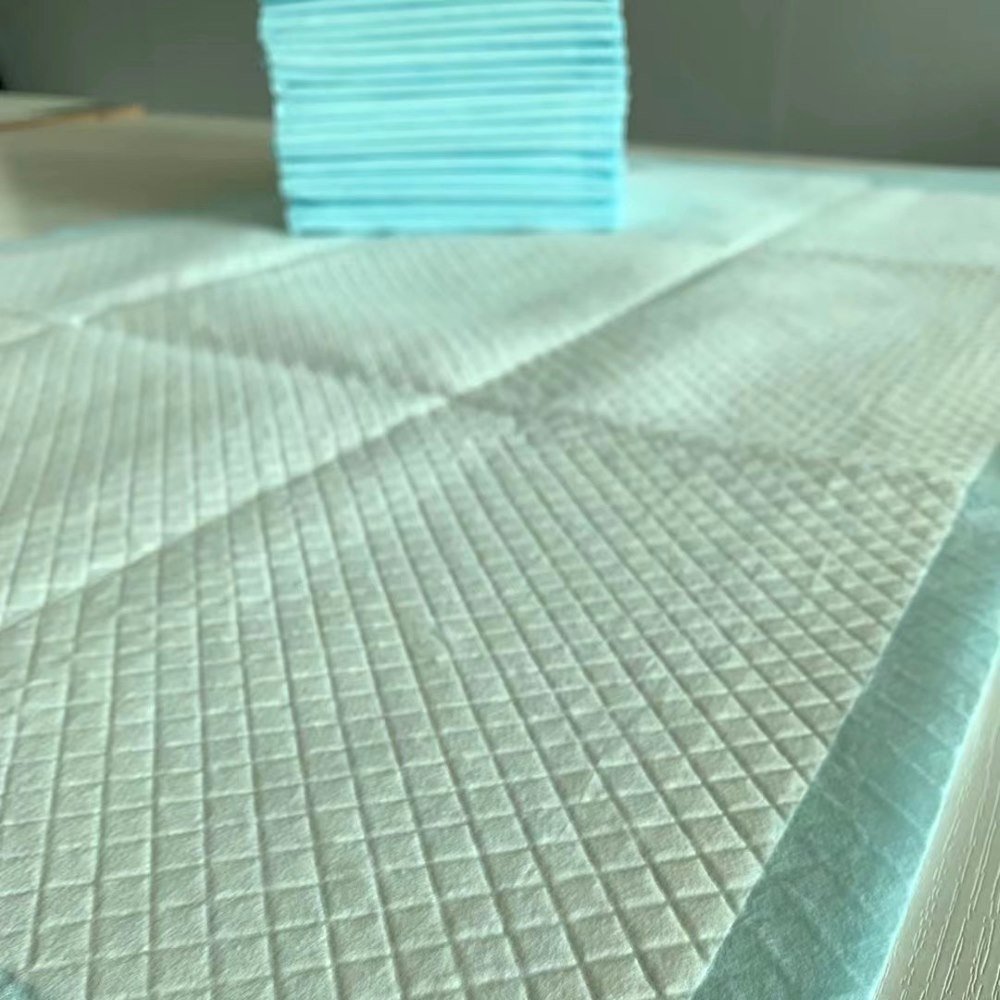
A diamond-embossed surface, for example, can be used to create a more structured appearance and support the overall product design.
When evaluating samples, buyers should check whether liquid passes through the topsheet properly and whether the surface retains excessive moisture after absorption.
3.2 Fluff Pulp
Fluff pulp is a fibrous material used to absorb and distribute liquid within the core.
It helps spread urine across the absorbent area instead of allowing all the liquid to remain concentrated in one small location.
The amount and distribution of fluff pulp can influence the pad’s absorption performance, core structure, and thickness.
3.3 Superabsorbent Polymer (SAP)
SAP is an important component in many disposable absorbent products.
It absorbs liquid and retains it in a gel-like form, helping reduce the amount of free liquid remaining in the core.
For pet training pads, the balance between SAP and fluff pulp matters. Increasing SAP content does not automatically guarantee a better product. Liquid distribution, absorption speed, core stability, and the intended usage conditions also need to be considered.
The right formulation should be determined through product development and sample testing.
3.4 PE Backsheet
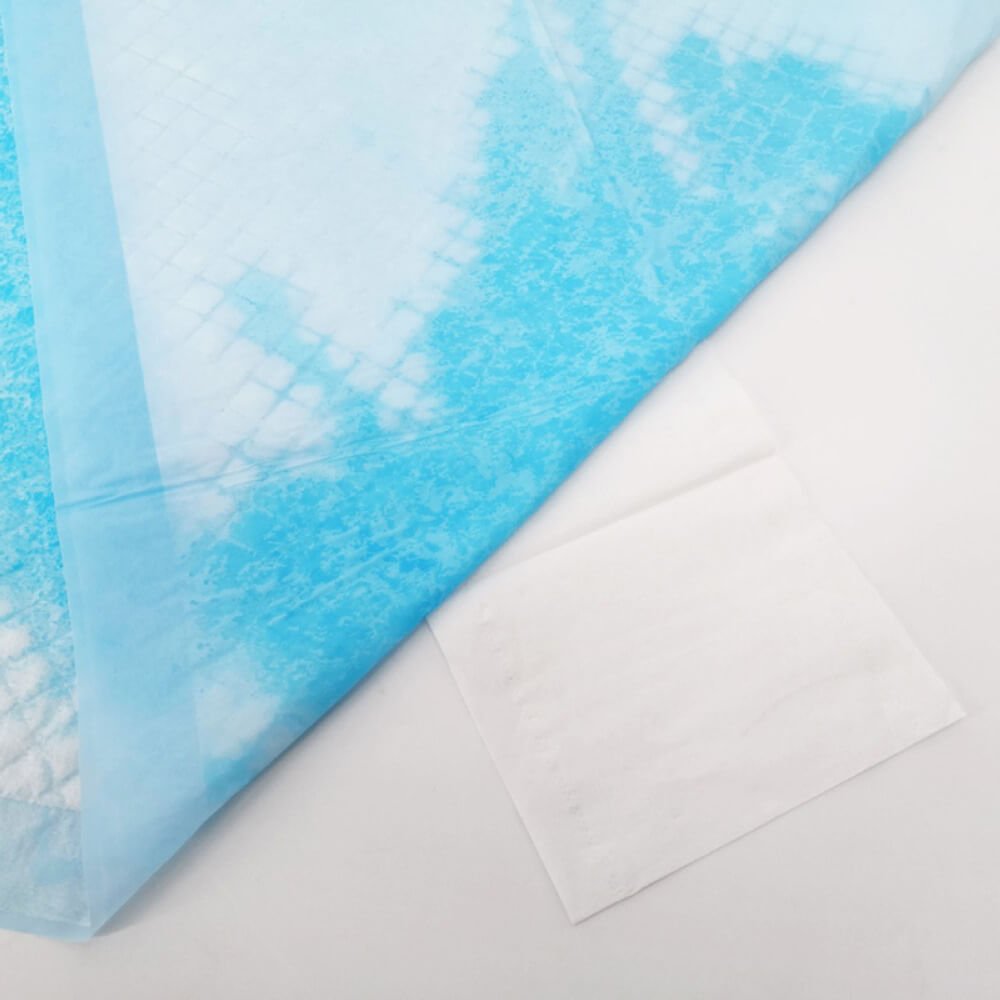
The PE backsheet forms the waterproof bottom layer of a conventional disposable pet pad.
Its main purpose is to prevent urine from passing through and reaching the floor.
Buyers should consider film quality, thickness, flexibility, and resistance to leakage. Color and printed patterns may also be customized depending on the product positioning.
Some projects may require additional consideration of backing materials or environmental targets. These requirements should be discussed early because changing the material structure can affect cost and product performance.
4. Important Product Specifications Buyers Should Consider
A good OEM specification should describe the actual performance requirements of the product, not just its appearance.
The following are the main points to confirm before requesting a quotation.
4.1 Absorbency
Absorbency is one of the most important factors when developing pet training pads.
However, different products may be designed for different usage requirements. A lightweight pad for occasional use does not necessarily need the same absorbency as a heavier pad intended for larger dogs or longer use.
Buyers should define:
Target absorbency in milliliters.
Expected liquid absorption speed.
Liquid retention requirements.
Whether the product needs to handle repeated or larger liquid loads.
It is also important to ask how the manufacturer measures absorbency. Different testing methods and conditions can produce different results, so comparisons should use consistent procedures.
4.2 Pad Size
Size affects the coverage area and the amount of absorbent material required.
Common dimensions include 45 × 60 cm, 60 × 60 cm, and 60 × 90 cm, although other dimensions can be discussed depending on manufacturing feasibility.
Smaller pads may suit puppies or compact indoor spaces, while larger pads may be more appropriate for bigger dogs or wider coverage areas.
Rather than launching too many sizes immediately, brands should consider starting with a practical size range based on market demand.
4.3 Product Weight and Thickness
Total product weight is another important specification.
In general, a heavier pad may contain more absorbent material, but weight alone does not determine product performance.
The material composition, core distribution, SAP content, and manufacturing structure all matter.
Buyers should evaluate weight alongside absorbency, leakage resistance, and surface performance rather than treating it as an independent quality indicator.
4.4 Leakage Protection
The waterproof backsheet is essential for protecting floors and other surfaces.
However, buyers should also consider liquid distribution near the pad edges, sealing quality, and whether the product remains intact during normal handling and use.
A product with good absorbency but poor edge protection may still result in leakage complaints.
4.5 Surface Dryness
After liquid enters the absorbent core, the upper surface should not remain excessively wet.
Surface dryness is important for the overall user experience and should be evaluated through sample testing.
For a more meaningful comparison, buyers should use the same liquid quantity, testing conditions, and waiting time when assessing different samples.
5. Customization Options for Private Label Pet Pads
One of the main advantages of OEM manufacturing is the ability to develop products around your brand’s requirements.
At New EcoCare, pet training pad customization can cover several areas.
5.1 Product Size and Weight
You can discuss different pad dimensions and product weights according to your target market.
For example, a brand targeting budget-conscious supermarkets may prioritize practical specifications and competitive pricing, while a premium pet care brand may prefer a heavier construction and upgraded packaging.
5.2 Absorbency and Core Configuration
The absorbent core can be developed according to the required performance.
This may involve discussing fluff pulp and SAP composition, total core weight, and liquid absorption targets.
The final configuration should be confirmed through sampling rather than selected based on material quantities alone.
5.3 Topsheet Pattern and Backsheet Design
Product appearance is another area where brands can differentiate their offerings.
Depending on manufacturing feasibility, customization may include:
Topsheet embossing patterns.
Backsheet color.
Backsheet printing.
Selected material options.
Product appearance and presentation.
These details can help establish a consistent visual identity across your pet care range.
5.4 Adhesive Stickers and Additional Features
Some pet pads include adhesive stickers on the bottom to help prevent the product from shifting during use.
Whether this feature is necessary depends on the intended application and target customer expectations.
Additional features should be evaluated carefully. Every extra component can influence material costs, manufacturing complexity, and the final quotation.
5.5 Private Label Packaging
Packaging is an important part of product development, especially for retail and e-commerce brands.
Common customization options include:
Brand logo and product artwork.
Pack quantity.
Packaging bag design and printing.
Product dimensions and specifications.
Carton markings and shipping information.
Before approving packaging artwork, make sure the product information matches the actual confirmed specifications. Absorbency, dimensions, product claims, and pack quantities should all be checked.
For more information about New EcoCare’s customization capabilities, visit our OEM Customization page.
6. How to Select the Right Specifications for Different Markets
There is no single specification that works for every pet care brand.
The right product depends on your target customers, sales channels, competitive positioning, and expected retail price.
Here are three practical approaches.
Entry-Level Products
For price-sensitive markets and high-volume wholesale channels, brands may prioritize:
Standard pad dimensions.
Practical absorbency.
Cost-effective material combinations.
Simple packaging.
Efficient carton utilization.
The goal is to offer a functional product at a competitive price without compromising essential leakage protection.
Mid-Range Products
For established pet care brands and mainstream retail channels, a balanced specification may include:
A suitable absorbent core.
Consistent liquid distribution.
Reliable waterproof backing.
Well-presented packaging.
Multiple size options.
This positioning provides room to balance product performance and commercial competitiveness.
Premium Products
Premium brands may focus more on product differentiation, including:
Higher absorbency targets.
Upgraded material combinations.
More distinctive surface or backing designs.
Additional functional features.
Retail-ready private label packaging.
However, premium positioning should be supported by measurable product performance. A higher product weight or more attractive package does not automatically make a pet pad better.
For buyers entering a new market, we recommend starting with a clear target price range and working backward to determine suitable product specifications.
7. What to Discuss With Your OEM Pet Pad Manufacturer
A detailed product brief helps manufacturers understand your requirements and provide a more relevant quotation.
Before contacting a pet training pads manufacturer, prepare the following information:
| Especificação | Information to Confirm |
|---|---|
| Product type | Disposable dog training pads / pet underpads |
| Pad size | Length × width |
| Product weight | Target weight per pad |
| Absorção | Target absorption capacity in ml |
| Core materials | Fluff pulp, SAP, or other agreed materials |
| Folha superior | Nonwoven type, weight, and pattern |
| Folha de apoio | PE film, color, and printing requirements |
| Additional features | Adhesive stickers or other functions |
| Embalagem | Pack quantity, bag design, and printing |
| Order quantity | Estimated quantity per size |
| Target market | Country or sales region |
| Target price | Preferred FOB or other agreed trade terms |
If you do not have all the technical details yet, that is perfectly fine.
You can start with your target market, intended product positioning, preferred pad size, and estimated order quantity. Your manufacturer can then help review the available options and identify which specifications need further discussion.
For a broader overview of what to evaluate when choosing a manufacturing partner, read our article: How to Choose an OEM Pet Diaper Manufacturer for a Successful Private Label Pet Care Brand.
You can also explore our OEM Manufacturing Knowledge Center to learn more about product development, customization, and manufacturing considerations.
8. From Product Sampling to Mass Production
Once the basic specifications are agreed upon, the next step is product sampling.
Sampling gives buyers an opportunity to evaluate the actual product before committing to a bulk order.
At New EcoCare, an OEM pet training pad project generally involves the following stages:
Step 1: Requirement Discussion
Our team reviews your target market, product requirements, preferred specifications, packaging needs, and estimated order quantity.
Step 2: Material and Specification Confirmation
We discuss suitable material combinations, product dimensions, absorbency targets, and other functional requirements.
Step 3: Sample Development
Samples are prepared according to the agreed requirements so you can evaluate the product’s appearance, structure, and performance.
Step 4: Sample Evaluation and Adjustment
Buyers should check dimensions, weight, absorbency, liquid distribution, surface dryness, and leakage protection. If adjustments are needed, the specifications can be reviewed before proceeding.
Step 5: Packaging and Artwork Approval
Once the product requirements are confirmed, packaging artwork, pack quantity, labeling details, and carton specifications can be finalized.
Step 6: Mass Production and Quality Inspection
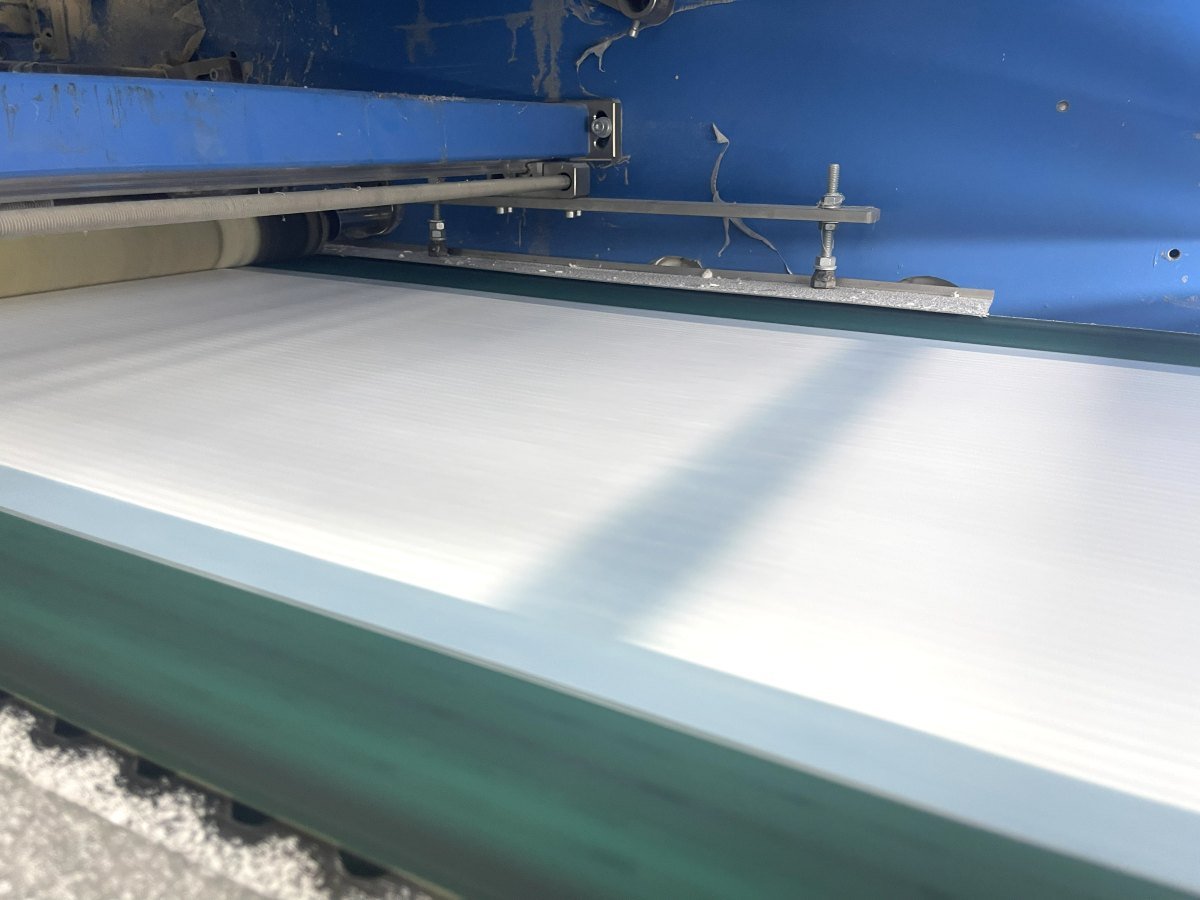
After approval, production is arranged according to the confirmed order. Quality checks are carried out during manufacturing and before shipment to help ensure the finished products meet the agreed specifications.
Step 7: Packing and Shipment Coordination
Finished products are packed according to the confirmed requirements, with attention to order quantities, carton information, and shipping arrangements.
For more information about the manufacturing stages, see O processo de produção: Como são fabricados os pensos higiénicos descartáveis para animais de estimação.
Developing Your Private Label Pet Training Pads with New EcoCare
Developing a successful private label pet training pad starts with understanding what your market actually needs.
The right combination of topsheet materials, absorbent core, SAP content, pad dimensions, leakage protection, and packaging can help you build a product that fits your brand positioning and commercial requirements.
At New EcoCare, we support B2B customers in developing disposable pet training pads for their own brands. From reviewing product requirements and discussing customization options to coordinating samples and managing mass production, our team works closely with customers throughout the OEM process to ensure the final product meets their agreed specifications.
Whether you are launching a new pet care brand or expanding an existing product range, we welcome the opportunity to discuss your project.
Looking for an OEM pet training pads manufacturer?
Explore New EcoCare’s Private Label Pet Training Pads ou contact our team to discuss your product specifications, packaging requirements, and bulk order plans.

 Portuguese
 English
 Spanish
 Russian
 Arabic
 German
 French
 Italian
 Greek