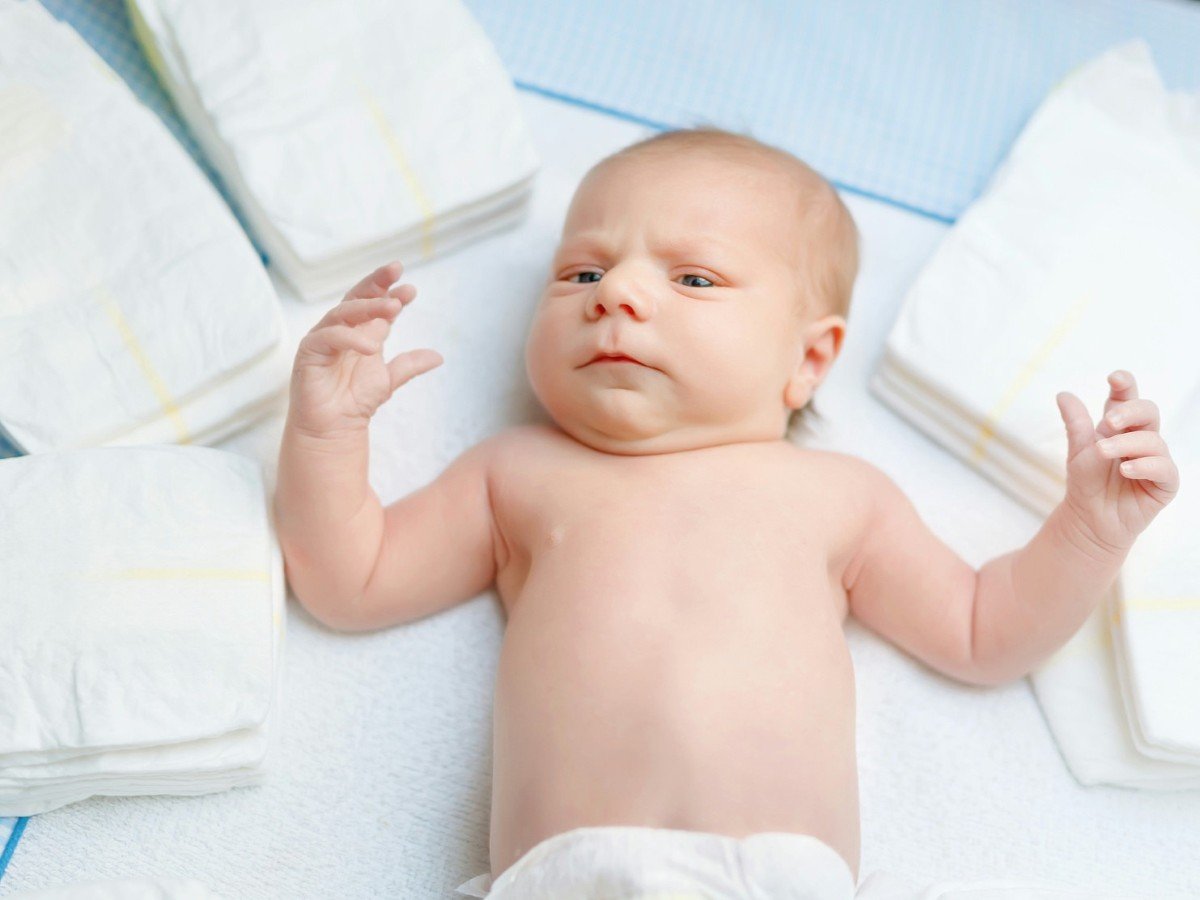
When comparing подгузник materials, many buyers focus only on whether they это plant-based или synthetic. However, the reality это more complex: Both plant-based and synthetic materials can be safe for baby skin when properly engineered. In OEM diaper manufacturing, material selection alone does not determine performance—structure design, absorbency balance, and skin-contact layers are the key factors that influence comfort, safety, and leakage control.
Оглавление
Введение
In recent years, more brands entering the ребенок care market have started asking a similar question:
Should we choose plant-based materials или synthetic materials для ребенок diapers?
На сайте first glance, the answer may seem straightforward. Plant-based materials это often associated with устойчивое развитие и gentleness, while synthetic materials это linked на high производительность и consistency. However, from an OEM manufacturing perspective, the reality это more nuanced.
На сайте Новый EcoCare, we work with global distributors, private label brands, и importers who need not only a “good story” для marketing, but also stable продукт performance, supply reliability, и cost control.
This article breaks down the key differences from a B2B decision-making perspective, helping buyers select the right material strategy для their target рынок.
Quick Comparison: Plant-Based vs Synthetic Diaper Материалы
Before going deeper into technical details, here это a quick comparison that many buyers find useful when selecting OEM подгузник materials:
Quick Ответить
Both plant-based и synthetic materials can be skin-safe
OEM design determines softness, absorbency, и leakage control
Hybrid material structures это often the most effective solution для private label brands
Key Comparison Table
| Factor | Plant-Based Материалы | Synthetic Материалы |
|---|---|---|
| Skin Feel | Natural perception | Engineered мягкость |
| Performance | Moderate (depends on design) | Highly consistent |
| Стоимость | Higher | More competitive |
| Supply Stability | Variable | Stable |
| Масштабируемость | Умеренный | Высокий |
Best Choice для B2B Buyers
Премиум eco brands: plant-based или hybrid
Mass market brands: synthetic или hybrid
Fast-scaling brands: synthetic-dominant with eco elements
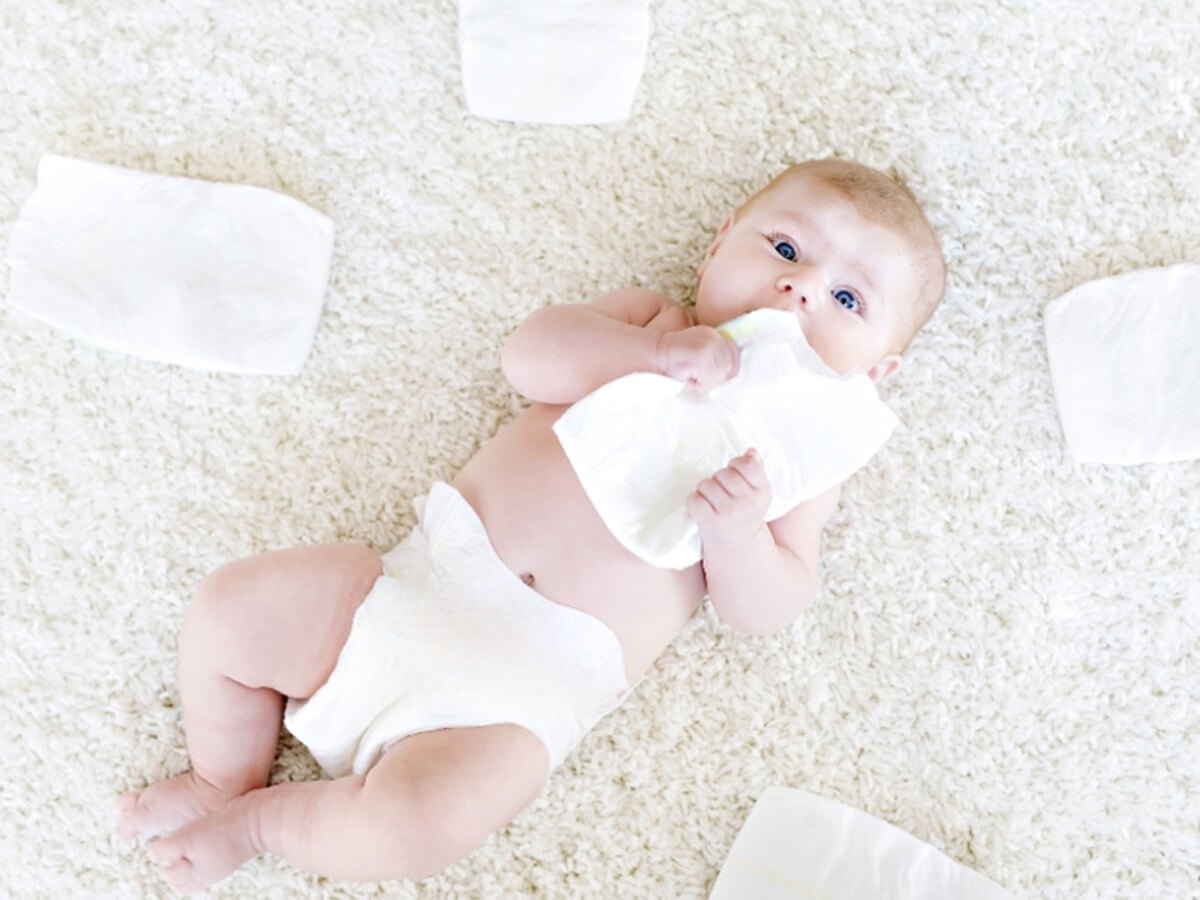
Skin Contact Considerations
When evaluating materials для ребенок diapers, skin contact safety это always the top priority.
1. Understanding the Baby Skin Barrier
Baby skin это thinner и more sensitive than взрослый skin. Сайт outer layer (stratum corneum) это still developing, making it more vulnerable к:
Friction
Moisture imbalance
Chemical irritation
This means the top sheet (the слой directly touching skin) plays a critical role.
2. Plant-Based Материалы: Natural but Not Always Softer
Common plant-based materials used in подгузники включают:
Бамбук волокно
Хлопок
Viscose derived from wood целлюлоза
Эти materials это often marketed as:
Дышащий
Natural
Eco-friendly
However, in manufacturing practice:
Raw bamboo волокно это not inherently soft without processing
Fiber uniformity can vary depending on sourcing
Additional treatments это often required на achieve consistent мягкость
3. Synthetic Материалы: Engineered для Stability
Synthetic materials such as:
Полипропилен nonwoven fabric
PE film
это widely used in hygiene продукция because they offer:
Controlled волокно structure
Consistent мягкость
Low irritation when properly processed
Современный nonwoven technology allows OEM manufacturers на create:
Ultra-soft top sheets
Hydrophilic finishes для quick liquid absorption
Low-friction surfaces на reduce skin irritation
Key Takeaway для Buyers
С сайта a B2B standpoint:
Skin-friendliness depends more on finishing technology than raw material origin.
A well-designed synthetic top sheet can be just as gentle as a plant-based one—и sometimes more consistent across large production volumes.
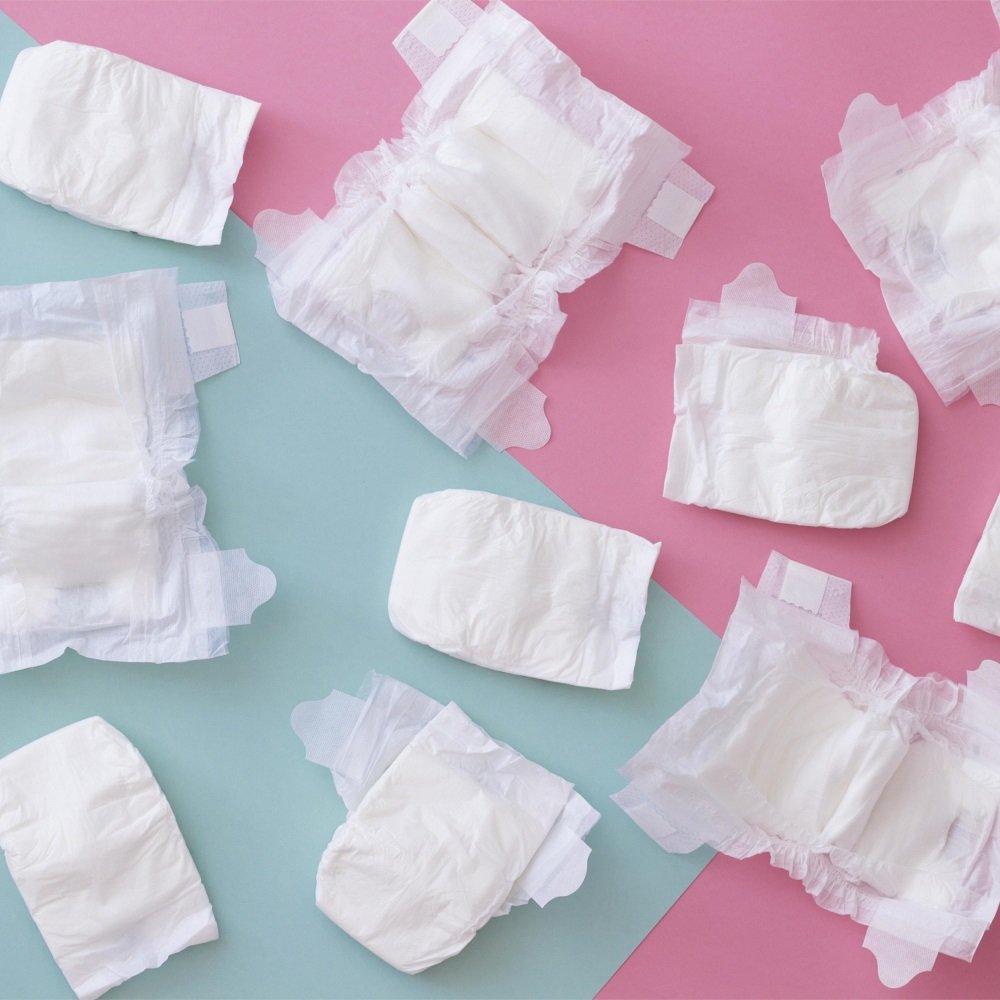
Performance Differences
Beyond skin feel, подгузник производительность это what ultimately determines user satisfaction и repeat orders.
1. Впитываемость и Liquid Management
Сайт core из подгузник производительность lies in:
SAP (super absorbent polymer)
Fluff целлюлоза
Ядро structure design
Plant-based vs synthetic materials mainly affect:
Liquid distribution speed
Surface dryness
Synthetic topsheets typically:
Allow faster liquid penetration
Keep the surface drier
Plant-based topsheets may:
Feel more “natural”
But can retain slightly more moisture if not engineered properly
2. Leakage Защита
Leakage это influenced by:
Leg cuff elasticity
Barrier structure
Back sheet material
Synthetic materials (например, PE film) provide:
Strong liquid barrier
Reliable sealing производительность
Plant-based alternatives (например, bio-based films) это improving, but may still face:
Lower durability in some conditions
Higher production complexity
3. Дышащие свойства vs Защита Balance
This это where OEM design becomes critical.
Plant-based materials often promote airflow
Synthetic materials can be engineered with microporous structures
A professional OEM manufacturer will balance:
Дышащие свойства
Leak prevention
Structural integrity
Key Takeaway для Buyers
Performance это not determined by plant vs synthetic—it это determined by как materials это combined.
Для private label brands, this это почему choosing an experienced OEM partner это more important than choosing a single “trendy” material.
Стоимость и Supply Stability
Для distributors и brand owners, material choice это not only about продукт positioning—it directly affects profit margins и supply chain reliability.
1. Стоимость Структура Differences
Plant-based materials:
Usually have higher raw material costs
Require more processing
Lead на higher MOQ in some cases
Synthetic materials:
Benefit from mature global supply chains
Offer more competitive pricing
Allow better cost control для large-scale production
2. Supply Chain Stability
Plant-based material supply depends on:
Agricultural output
Seasonal variation
Regional sourcing
This can create:
Price fluctuations
Longer lead times
Inconsistent quality
Synthetic materials, on the other hand, provide:
Stable supply
Predictable lead times
Standardized quality
3. Масштабируемость для Growing Brands
Для brands planning на scale quickly, consistency это key.
Synthetic materials support high-volume production stability
Plant-based lines may require more supply chain coordination
Key Takeaway для Buyers
If Ваш priority это stable supply и cost efficiency, synthetic materials offer clear advantages.
If Ваш priority это eco-positioning, plant-based materials can add value—but require stronger supply chain управление.
OEM Recommendations
С сайта our experience working with global OEM clients, the most successful подгузник продукция это not built on a single material concept, but on balanced engineering и clear market positioning.
1. Hybrid Материал Strategy (Recommended)
Instead из choosing one side, many brands now adopt a hybrid approach, such as:
Plant-based top sheet (для marketing и skin perception)
Synthetic acquisition layer (для performance)
High-efficiency SAP core
Дышащий PE back sheet
This allows brands на achieve:
Strong продукт story
Reliable производительность
Competitive pricing
2. Match Материал на Market Segment
Different markets have different expectations:
Премиум markets: prefer eco-friendly, plant-based positioning
Price-sensitive markets: prioritize производительность и cost
Emerging brands: need a balance из both
3. Focus on OEM Customization, Not Just Материалы
When selecting an OEM подгузник manufacturer, buyers should evaluate:
Материал sourcing capability
Custom structure design
Quality control системы
Опыт with private label подгузник manufacturing
Because:
Сайт real differentiation comes from продукт design, not just material selection.
4. Certification и Transparency
Regardless из material type, ensure:
Skin safety testing
Материал traceability
Соответствие требованиям with international standards
This это especially important для brands entering:
Europe
North America
High-regulation markets
Заключение
Сайт debate between plant-based и synthetic materials это often oversimplified.
In reality:
Both options can be safe для ребенок skin
Both have strengths и limitations
Neither guarantees продукт success on its own
Для B2B buyers, the smarter approach это на focus on:
OEM engineering capability
Продукт structure design
Supply chain reliability
На сайте Новый EcoCare, we help our partners develop на заказ подгузник solutions that combine material innovation with manufacturing expertise—ensuring that продукция not only look good on paper, but also perform consistently in real markets.

 Russian
  English
  Spanish
  Arabic
  German
  French
  Italian
  Portuguese
  Greek
Greek