
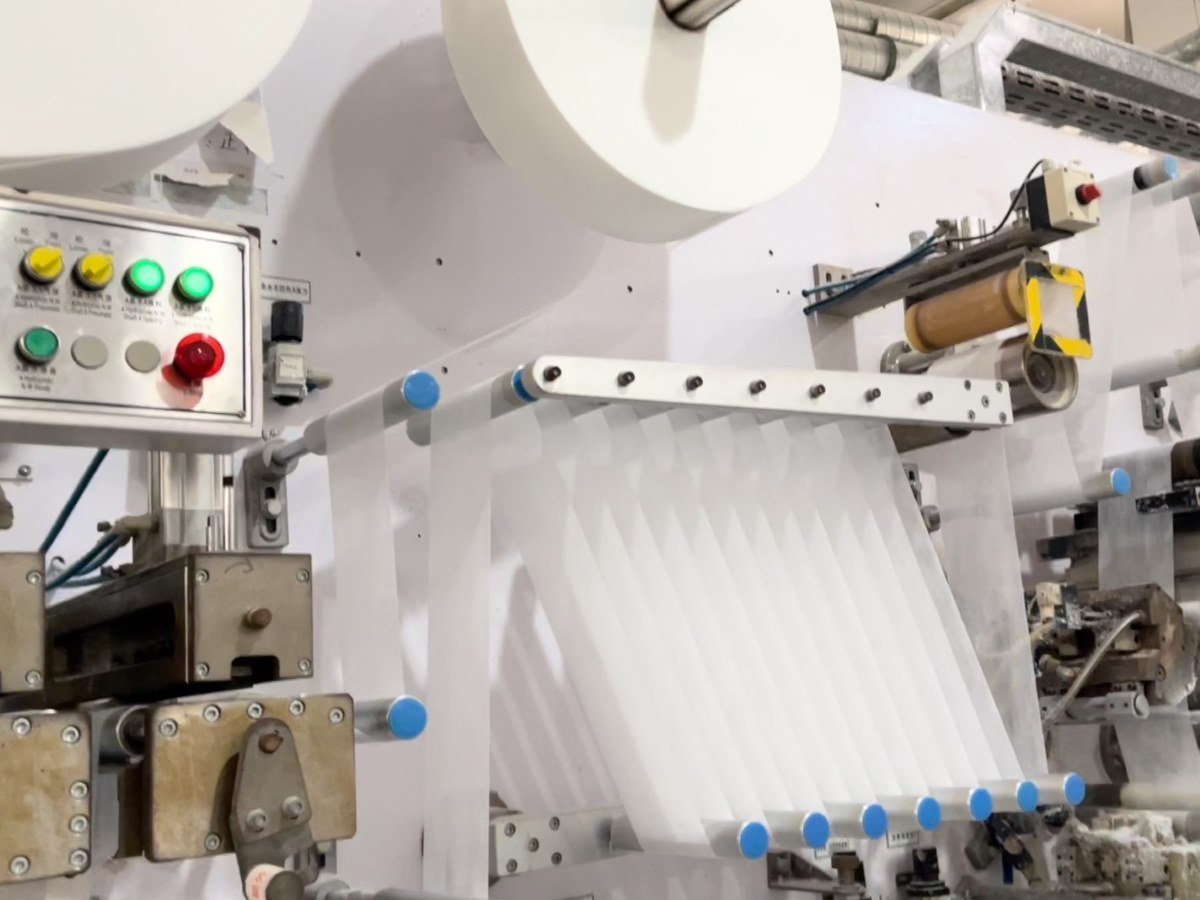
Для брендов под собственной торговой маркой, дистрибьюторов и импортеров в секторе средств гигиены третий и четвертый кварталы — это не просто напряженные периоды, а время принятия важных решений.
Именно в это время спрос в розничной торговле ускоряется, графики рекламных акций становятся более плотными, а нагрузка на цепочки поставок на мировых рынках возрастает. Для компаний, занимающихся закупками детские подгузники, подгузники для взрослых, средства гигиены, влажные салфетки, или прокладки, разница между успехом и упущенными возможностями зачастую сводится к одному фактору: срокам производства.
Пиковый сезон — это не просто увеличение объёмов продаж. Это поиск подходящего партнёра-производителя, заблаговременное бронирование производственных мощностей и согласование плана закупок с реалистичными сроками выполнения заказов.
При производстве продукции под брендом OEM и под частной торговой маркой задержки редко возникают из-за одной серьезной проблемы. Обычно они возникают из-за того, что планирование началось слишком поздно.
В этой статье рассказывается, как покупатели в сегменте B2B могут более эффективно управлять сроками выполнения заказов и производственными слотами в третьем и четвёртом кварталах, а также объясняется, почему своевременная координация с опытным поставщиком-производителем оригинального оборудования (OEM) позволяет сохранить как рентабельность, так и рыночные показатели.
Оглавление
Почему 3-й и 4-й кварталы создают давление на производство оригинального оборудования
Во многих отраслях третий и четвертый кварталы являются самым активным периодом в году с точки зрения коммерческой деятельности.
В случае средств гигиены это часто соответствует следующему:
- розничные акции в конце года
- циклы пополнения запасов у дистрибьюторов
- сроки проведения государственных или институциональных закупок
- праздничные рекламные акции
- запуск новых продуктов до начала следующего финансового года
По мере роста спроса на заводах увеличивается объем заказов. Поставщики сырья также могут столкнуться с более сжатыми сроками, особенно в случае индивидуальной упаковки, специальных нетканых материалов или брендовых компонентов.
Это вызывает цепную реакцию.
Если ваш заказ поступит в систему с опозданием, вы можете столкнуться со следующими проблемами:
- более длинные производственные очереди
- ограниченное наличие упаковки
- рост транспортных расходов
- поспешные разрешения
- ограниченная гибкость при внесении изменений
В пик сезона производственные мощности становятся конкурентным преимуществом.
Бренды, которые заранее бронируют производственные мощности, обеспечивают себе стабильность. Те же, кто откладывает это на потом, зачастую вынуждены платить больше — или идти на уступки в отношении сроков.
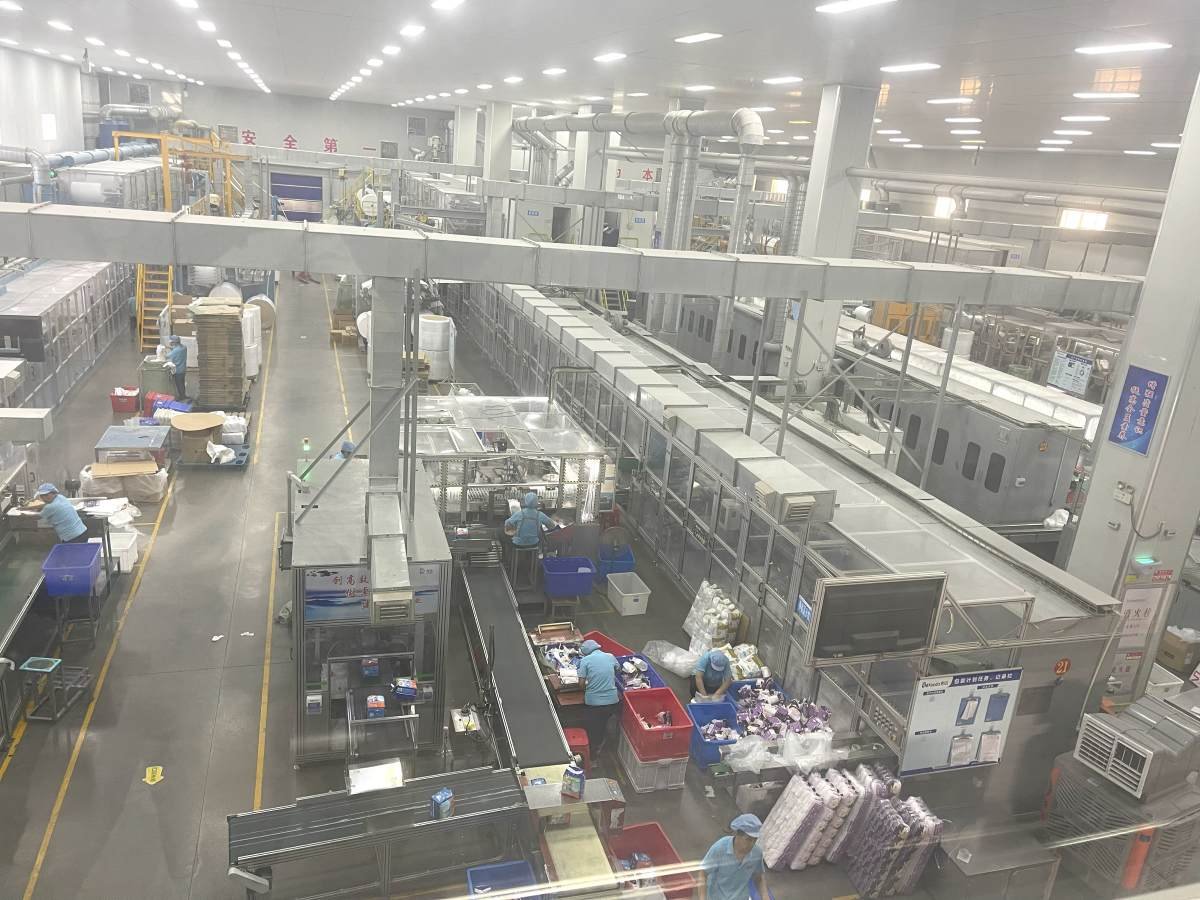
Что на самом деле означает «срок изготовления» при производстве продукции под собственной торговой маркой
Многие покупатели считают, что срок выполнения заказа начинается с момента начала производства.
На самом деле срок выполнения заказа включает в себя все этапы, предшествующие запуску станка.
В случае гигиенических товаров, выпускаемых по OEM-контрактам, общий срок реализации проекта часто включает:
1. Подтверждение технических характеристик продукции
Сюда входят уровень впитываемости, выбор материалов, размеры, форма упаковки и требования к соответствию стандартам.
Незначительные изменения на данном этапе могут повлиять на подбор поставщиков и составление графика работ.
2. Утверждение макетов и упаковки
Сумки, картонные коробки и вкладыши с индивидуальной печатью требуют проверки дизайна и подготовки к печати.
Задержки с упаковкой — одно из наиболее распространенных препятствий в проектах по выпуску продукции под собственной торговой маркой.
3. Закупка материалов
Стандартные материалы перемещаются быстрее.
Специализированные материалы — такие как ткани на бамбуковой основе, пленки растительного происхождения или уникальные эластичные системы — требуют более длительных сроков поставки.
4. Планирование производства
Заводы распределяют производственное время исходя из подтверждённых заказов, а не из устных заявлений о заинтересованности.
Без закреплённого производственного слота сроки остаются неопределёнными.
5. Контроль качества и подготовка к отгрузке
Проверка, оформление документов и организация погрузки также увеличивают время, необходимое до отправки.
Понимание всего этого процесса помогает покупателям сформировать реалистичные ожидания относительно сроков доставки.
Самая большая ошибка, которую допускают покупатели в пик сезона
Самая распространенная ошибка — это отношение к производству как к услуге по запросу.
Заводы-производители (OEM) не работают как склады.
Индивидуальное производство требует планирования, определения последовательности операций и координации ресурсов.
Покупатель, разместивший срочный заказ в конце третьего квартала, может полагать, что производство начнётся немедленно, однако завод, возможно, уже загружен на несколько недель вперёд.
Это особенно актуально для:
- крупные заказы на подгузники
- упаковка под собственной торговой маркой
- поставки с различными артикулами
- проекты по разработке новых продуктов
В пик сезона производственные слоты зачастую бронируются задолго до начала работ.
Если ждать, пока потребность станет неотложной, это сузит круг возможных решений.
Лучшая стратегия заключается в том, чтобы заранее составить прогноз и зарезервировать мощности до того, как окончательные объемы будут утверждены.
Как успешные бренды заранее резервируют производственные мощности
Опытные закупщики рассматривают планирование производственного графика как часть бизнес-стратегии.
Вместо того чтобы заказывать товары по мере необходимости, они планируют свои закупки поэтапно.
Сначала прогнозируй, потом проверяй
Даже если окончательный объём заказов ещё не определён, предоставление информации о прогнозируемом спросе поможет вашему партнёру-производителю оригинального оборудования подготовить производственные мощности.
Это позволяет предварительно распределить слоты до полного оформления заказа.
Разделение процесса бронирования слота и окончательного утверждения упаковки
Если структура изделия уже определена, зарезервируйте время на станке на время доработки макета.
Это позволяет избежать задержек с запуском продукции из-за внесения изменений в упаковку.
Используйте скользящие производственные планы
При повторных заказах разделите объем на несколько запланированных партий вместо одного крупного заказа.
Это повышает гибкость и снижает риск перебоев в поставках.
Уделите приоритетное внимание основным SKU
В пик сезона сначала сосредоточьтесь на товарах с высокой оборачиваемостью.
После того как основной запас будет обеспечен, можно будет перейти к дополнительным вариантам.
Это позволяет обеспечить стабильность денежного потока и готовность к розничным продажам.
Почему в IV квартале отношения с поставщиками оригинального оборудования приобретают еще большее значение
В пиковый сезон становится очевидной разница между поставщиками, ориентированными исключительно на сделки, и стратегическими партнерами-производителями.
Предприятие, которое понимает специфику вашего бизнеса, поможет вам устранить проблемные моменты, прежде чем они обернутся значительными затратами.
Надежные партнерские отношения с производителями оригинального оборудования (OEM) обеспечивают:
- рекомендации по проактивному планированию
- обновления о наличии материалов
- реалистичные ориентировочные сроки выполнения заказа
- альтернативные решения в случае возникновения узких мест
- скоординированное планирование по нескольким категориям продукции
Это особенно ценно для дистрибьюторов, управляющих ассортиментом гигиенических товаров под собственными торговыми марками.
Когда один поставщик занимается исключительно производством, коммуникация становится реактивной.
Когда поставщик выступает в роли партнера по планированию, рабочие процессы протекают более слаженно.
Эта разница особенно важна в третьем и четвёртом кварталах.
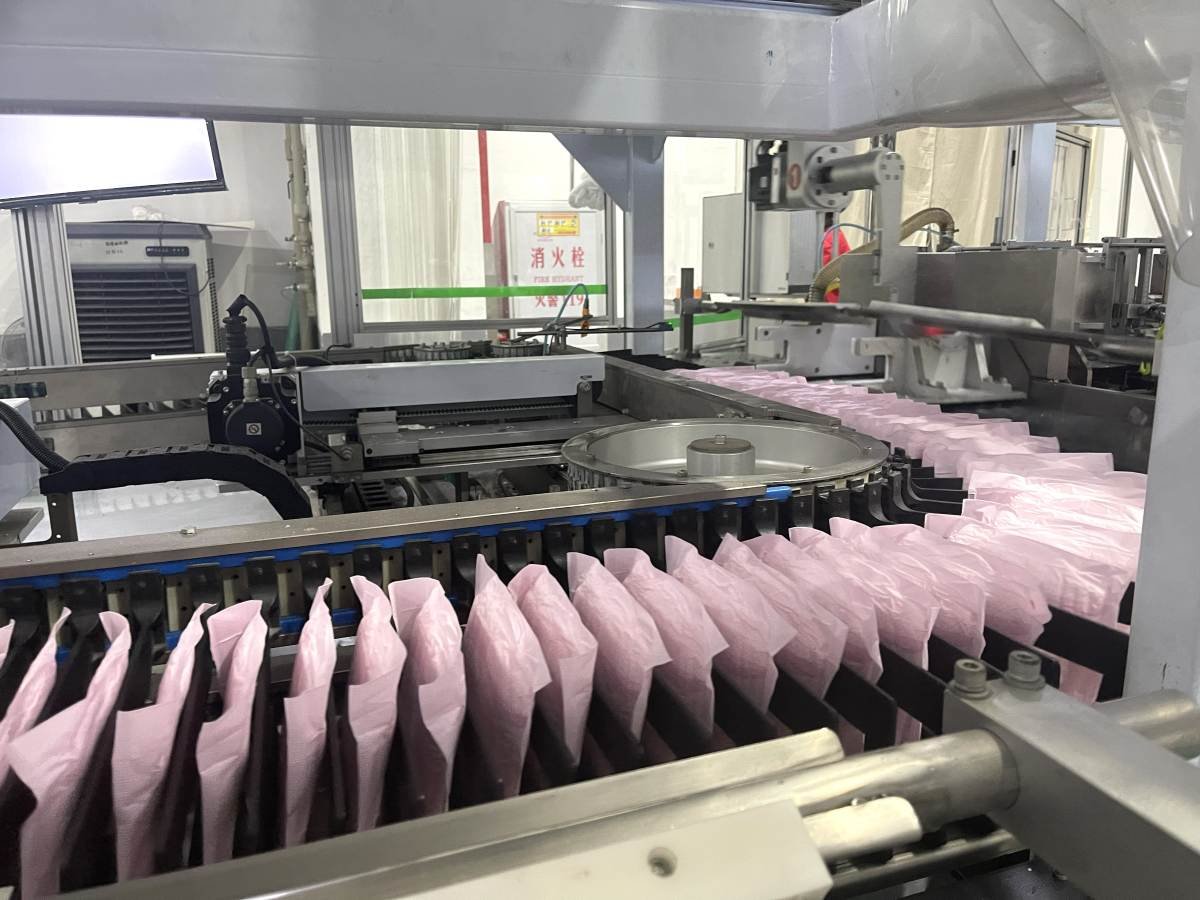
Основные вопросы, которые следует задать производителю оригинального оборудования перед началом пикового сезона
За сколько времени нужно оформить заказ, чтобы получить доставку в 4-м квартале?
Ответ зависит от уровня индивидуальной настройки и объема заказа.
В случае повторных заказов более раннее бронирование повышает надежность планирования.
Для запуска новых продуктов под собственной торговой маркой требуется дополнительное время на разработку.
Какие материалы имеют самый длительный цикл закупки?
Понимание этого помогает выявить скрытые риски в конструкции вашего изделия.
Изготовление плёнок на заказ, специальных нетканых материалов и упаковки с печатью часто требует более длительных сроков выполнения заказа.
Можно ли разделить производство на поэтапные поставки?
Это способствует оптимизации товарооборота и снижению нагрузки на склад.
Кроме того, это способствует поддержанию наличия товара на рынке в периоды повышенного спроса.
Насколько гибкий у вас производственный график?
Планирование производственных мощностей зависит от конкретного завода.
Покупателям следует выяснить, возможны ли изменения слотов или же они фиксируются после подтверждения.
Стратегия распределения производственных мощностей для импортеров средств гигиены
Для импортеров, закупающих товары у зарубежных производителей, сроки производства также должны соответствовать логистическим реалиям.
Задержки в производстве — это лишь одна из составляющих.
Заторы при доставке, таможенное оформление и график работы склада в пункте назначения — все это влияет на конечную доступность товара.
Эффективная стратегия распределения производственных слотов включает в себя:
- заблаговременное бронирование морских перевозок
- заблаговременная подготовка документации
- согласование с партнерами по грузоперевозкам до завершения производства
- предусматривая запас времени до окончания сроков в розничной торговле
В мировой торговле задержки в производстве часто вызывают цепную реакцию.
Чем раньше будет обеспечен этап производства, тем больше контроля сохранят покупатели над результатами поставки.
Почему планирование в пиковый сезон способствует повышению рентабельности
Многие компании рассматривают раннее бронирование как защитную меру.
На самом деле это стратегия, направленная на получение прибыли.
При правильном планировании производства бренды получают следующие преимущества:
- снизить расходы на экстренные грузоперевозки
- снижение риска дефицита товара
- более плавная оборачиваемость запасов
- более высокая готовность к продвижению
- укрепление отношений с розничными сетями
Стабильность работы напрямую способствует повышению коммерческой эффективности.
В пиковый сезон важна не только скорость, но и подготовка.
Что следует сделать покупателям товаров под собственной торговой маркой прямо сейчас
Если вы занимаетесь закупкой гигиенических товаров по схеме OEM для удовлетворения спроса в конце года, сейчас самое время принять меры.
Не ждите, пока рынок даст сигнал о срочности.
Вместо этого:
- проанализировать прогнозируемые объемы продаж в 3-м и 4-м кварталах
- определить SKU с высоким приоритетом
- подтвердить готовность упаковки
- обсудите сроки производства с вашим производителем
- зарезервировать мощности до того, как график станет более плотным
Бренды, которые демонстрируют наилучшие результаты в пиковый сезон, редко бывают теми, у которых самые большие бюджеты.
Именно они отличаются наибольшей дисциплиной в планировании.
Часто задаваемые вопросы о планировании поставок от производителей (OEM) в пиковый сезон
Когда лучше всего разместить заказ на производство по схеме OEM на 4-й квартал?
Оптимальный срок — второй квартал или начало третьего квартала, особенно в случае индивидуализированной продукции под собственной торговой маркой, для которой требуется согласование упаковки и закупка материалов.
Почему сроки выполнения заказов увеличиваются в третьем и четвёртом кварталах?
В пиковый сезон предприятия сталкиваются с увеличением объёмов заказов, ограниченностью поставок сырья и более сложными логистическими схемами.
Как бренды под собственной торговой маркой могут сократить задержки?
Своевременное прогнозирование, заблаговременное бронирование производственных слотов и четкая коммуникация с производителем — вот наиболее эффективные стратегии.
Что больше всего влияет на сроки поставки у производителей оригинального оборудования (OEM)?
Сертификаты на упаковку, специальные материалы, производственные мощности и графики отгрузки.
Почему производственные слоты играют важную роль в OEM-производстве?
Ведь именно подтверждённые производственные мощности определяют, когда ваш заказ будет включён в производственный график — без этого сроки выполнения остаются неопределёнными.
Заключительные мысли от New EcoCare
В сфере производства продукции под собственной торговой маркой срок выполнения заказа — это не просто операционная деталь, а реальное конкурентное преимущество.
Третий и четвертый кварталы создают нагрузку на все звенья цепочки поставок — от материалов до производственного времени и логистики.
Для покупателей в сегменте B2B управление этим давлением начинается с заблаговременного планирования и прозрачного общения.
В компании New EcoCare мы считаем, что успешное партнерство с производителями оригинального оборудования (OEM) строится на тщательной подготовке, а не на догадках.
Когда бренды понимают производственные циклы, стратегически резервируют производственные мощности и согласовывают прогнозы с реальными производственными возможностями, они получают не только своевременную доставку, но и долгосрочную устойчивость.
Пиковый сезон не обязательно должен быть стрессовым.
При правильной производственной стратегии это может стать вашим наиболее перспективным направлением роста.

 Russian
  English
  Spanish
  Arabic
  German
  French
  Italian
  Portuguese
  Greek
Greek