
O mercado dos produtos de higiene feminina continua a crescer em supermercados, farmácias, plataformas de comércio eletrónico, canais de cuidados de saúde e redes de distribuição regionais. Ao mesmo tempo, cada vez mais importadores, grossistas e proprietários de marcas estão a lançar as suas próprias linhas de produtos de marca própria, em vez de dependerem inteiramente de marcas de retalho já estabelecidas.
Para as empresas que pretendem entrar ou expandir-se neste mercado, encontrar o parceiro de fabrico certo é uma das decisões mais importantes. Um fornecedor de confiança faz mais do que apenas produzir pensos higiénicos. Ajuda as marcas a gerir a qualidade, a embalagem, a conformidade, os prazos de entrega e a estabilidade do abastecimento a longo prazo.
Na New EcoCare, trabalhamos com clientes de todo o mundo que procuram soluções de higiene para fabricantes de equipamento original (OEM) e de marca própria. Ao longo dos anos, constatámos que as marcas de sucesso na área dos produtos de higiene feminina assentam, normalmente, em parcerias de fabrico sólidas, em vez de se basearem apenas na concorrência de preços a curto prazo.
Este artigo explica os aspetos a que os compradores B2B devem prestar atenção ao escolherem um fabricante de pensos higiénicos de marca própria e como o fabricante OEM adequado de pensos higiénicos pode contribuir para o crescimento sustentável do negócio.
Índice
Por que razão cada vez mais marcas estão a optar por produtos de higiene feminina de marca própria
Os pensos higiénicos de marca própria já não se limitam às cadeias de supermercados. Atualmente, muitas empresas estão a entrar neste segmento, incluindo:
- Distribuidores regionais
- Vendedores de comércio eletrónico
- Grupos farmacêuticos
- Fornecedores do setor da saúde
- Marcas de produtos para bebés a expandirem-se para o setor dos produtos de higiene feminina
- Importadores que criam marcas locais exclusivas
- Startups que visam mercados de nicho
Em comparação com a venda de produtos de terceiros, a produção de marcas próprias proporciona às empresas um maior controlo sobre:
- Posicionamento da marca
- Especificações do produto
- Design de embalagens
- Estratégia de preços
- Diferenciação de mercado
- Fidelização dos clientes
Para muitos distribuidores, criar uma linha de marca própria também ajuda a melhorar as margens de lucro, ao mesmo tempo que reduz a concorrência direta em termos de preços nos mercados locais.
À medida que o aprovisionamento online se torna mais transparente, os compradores também estão a prestar mais atenção às capacidades de fabrico, à estabilidade das fábricas e à consistência dos produtos, em vez de escolherem fornecedores baseando-se apenas na cotação mais baixa.
O que um fabricante de pensos higiénicos OEM realmente oferece
Alguns compradores partem do princípio de que a produção OEM se resume apenas a colocar um logótipo em produtos já existentes. Na realidade, a produção OEM profissional envolve muito mais do que isso.
Um fabricante experiente de pensos higiénicos OEM pode normalmente oferecer:
Personalização de produtos
Isto inclui:
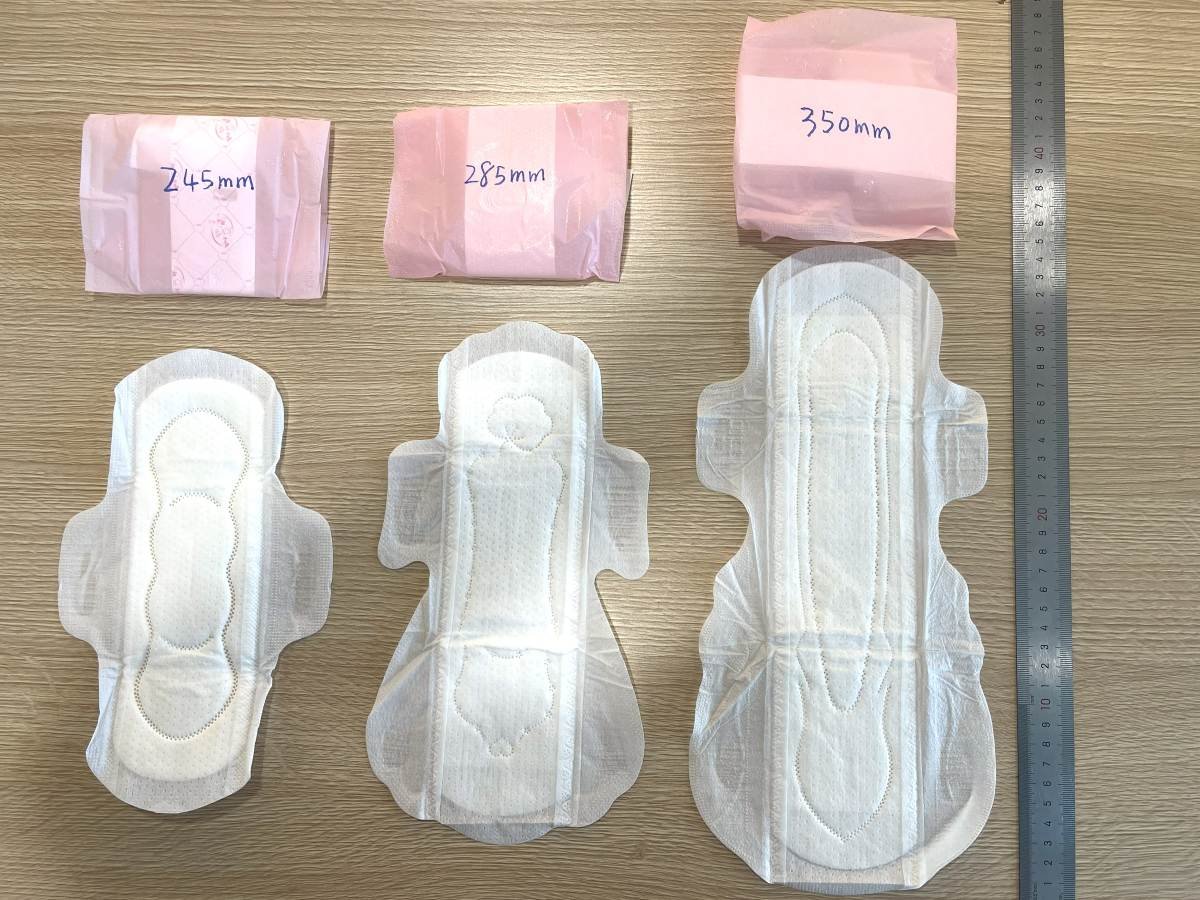
- Comprimento da almofada
- Espessura
- Nível de absorção
- Material da superfície
- Modelos com asas ou sem asas
- Especificações para utilização diurna e noturna
- Formato da embalagem
- Opções de fragrâncias
- Embalagem individual
Os diferentes mercados preferem, frequentemente, estruturas de produto diferentes. Algumas regiões dão prioridade a designs ultrafinos, enquanto outras preferem núcleos absorventes mais espessos para proteção durante a noite.
Desenvolvimento de embalagens
A embalagem desempenha um papel fundamental na competitividade do retalho. Os fabricantes costumam ajudar os clientes com:
- Impressão de sacos com marca própria
- Layouts de embalagens de retalho
- Localização do código de barras
- Design da embalagem
- Marcas de expedição
- Requisitos relativos às embalagens multilingues
Apoio em matéria de regulamentação e documentação
As fábricas profissionais costumam prestar assistência aos clientes nas seguintes áreas:
- Relatórios de ensaio de produtos
- Certificações de fábrica
- Documentação de exportação
- Registos de controlo de qualidade
- Especificações dos materiais
Isto é especialmente importante para os importadores que trabalham com farmácias, supermercados ou concursos públicos.
Planeamento da Produção
As fábricas de confiança ajudam os clientes:
- Organizar os planos de produção
- Estimativa dos prazos de entrega
- Previsão da procura sazonal
- Gerir encomendas recorrentes
- Reduzir a falta de stock
Para as marcas em crescimento, um planeamento de produção estável é, muitas vezes, mais valioso do que a busca por preços extremamente baixos.
Fatores-chave a avaliar antes de escolher um fabricante
Nem todas as fábricas operam ao mesmo nível. Antes de escolherem um fornecedor de pensos higiénicos de marca própria, os compradores B2B devem avaliar cuidadosamente vários aspetos importantes.
1. Experiência na área da produção
Os produtos de higiene feminina exigem um controlo de produção estável e padrões de qualidade consistentes.
As fábricas com uma longa experiência na área de OEM costumam dispor de sistemas mais sólidos em termos de:
- Gestão de matérias-primas
- Monitorização da produção
- Controlo de defeitos
- Precisão da embalagem
- Coordenação das exportações
Os fabricantes experientes também estão mais familiarizados com as expectativas do mercado nas diferentes regiões.
Na New EcoCare, a nossa equipa conta com anos de experiência no fabrico de produtos de higiene e na colaboração com clientes internacionais no âmbito da produção por conta de terceiros (OEM). Isto ajuda-nos a comunicar de forma mais eficiente com importadores, distribuidores e marcas próprias.
2. Sistemas de controlo de qualidade
A consistência da qualidade é fundamental nos produtos de higiene feminina. Mesmo pequenos problemas de produção podem afetar a confiança dos clientes e a reputação da marca.
Os compradores devem perguntar aos fabricantes sobre:
- Inspeção de material recebido
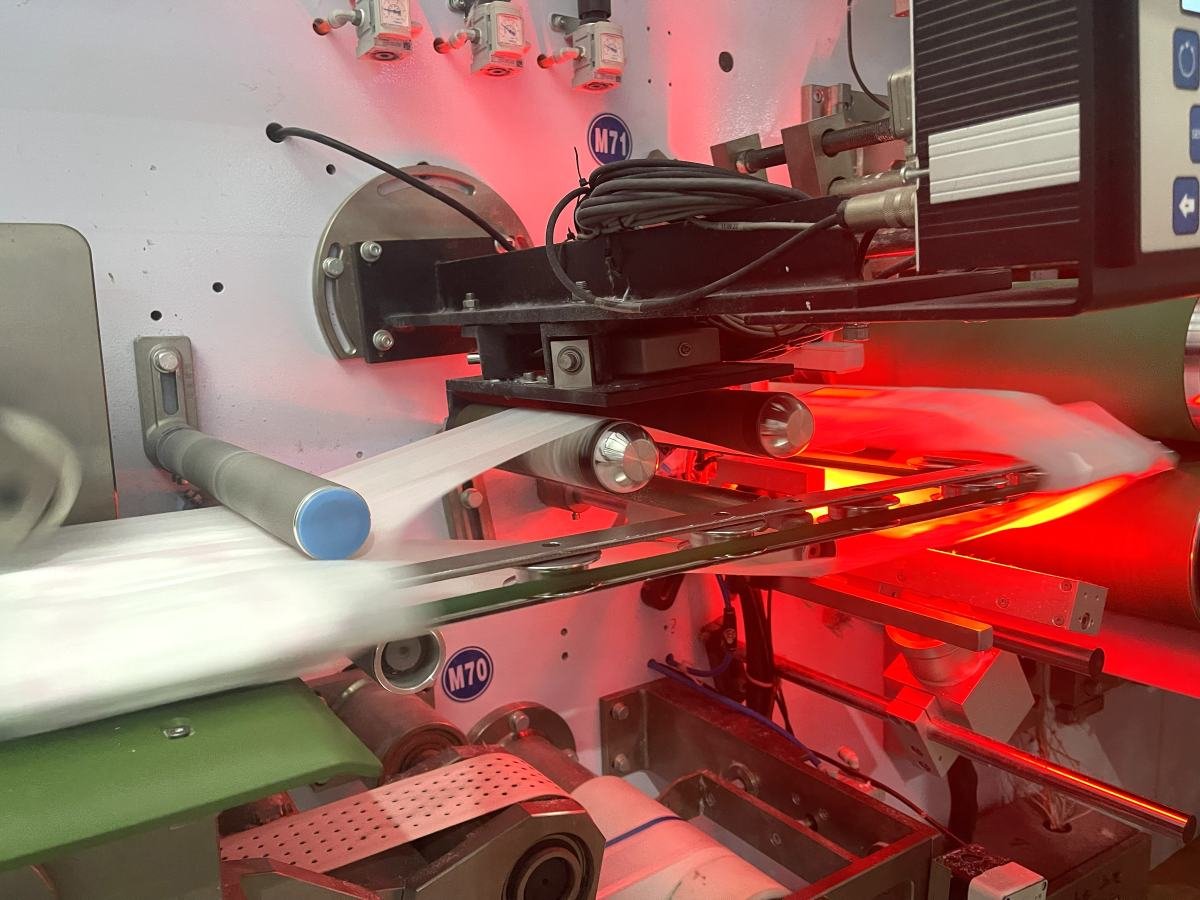
- Monitorização da produção em linha
- Ensaio de produtos acabados
- Verificações para prevenção de fugas
- Ensaio de absorção
- Procedimentos de inspeção de embalagens
Uma fábrica profissional deve ser capaz de explicar claramente o seu processo de controlo de qualidade, em vez de dar respostas vagas.
As fábricas com sistemas de controlo de qualidade bem organizados estão, em geral, mais bem preparadas para uma cooperação a longo prazo e para encomendas recorrentes.
3. Capacidade de personalização do produto
Muitas marcas novas procuram produtos personalizados, mas nem todos os fornecedores oferecem verdadeiramente apoio ao desenvolvimento OEM flexível.
Antes de iniciar a colaboração, os compradores devem confirmar:
- Quantidades mínimas de encomenda
- Opções de materiais disponíveis
- Capacidade de personalização de embalagens
- Exemplo de processo de desenvolvimento
- Limitações de impressão
- Prazos de produção
Um fornecedor que apenas possa oferecer uma gama limitada de produtos padrão poderá limitar o crescimento futuro da marca.
Uma forte capacidade de personalização torna-se especialmente importante para as empresas que têm como alvo:
- Canais de retalho premium
- Posicionamento orgânico
- Mercados de pele sensível
- Preferências regionais
- Identidade de marca no comércio eletrónico
4. Cadeia de abastecimento estável
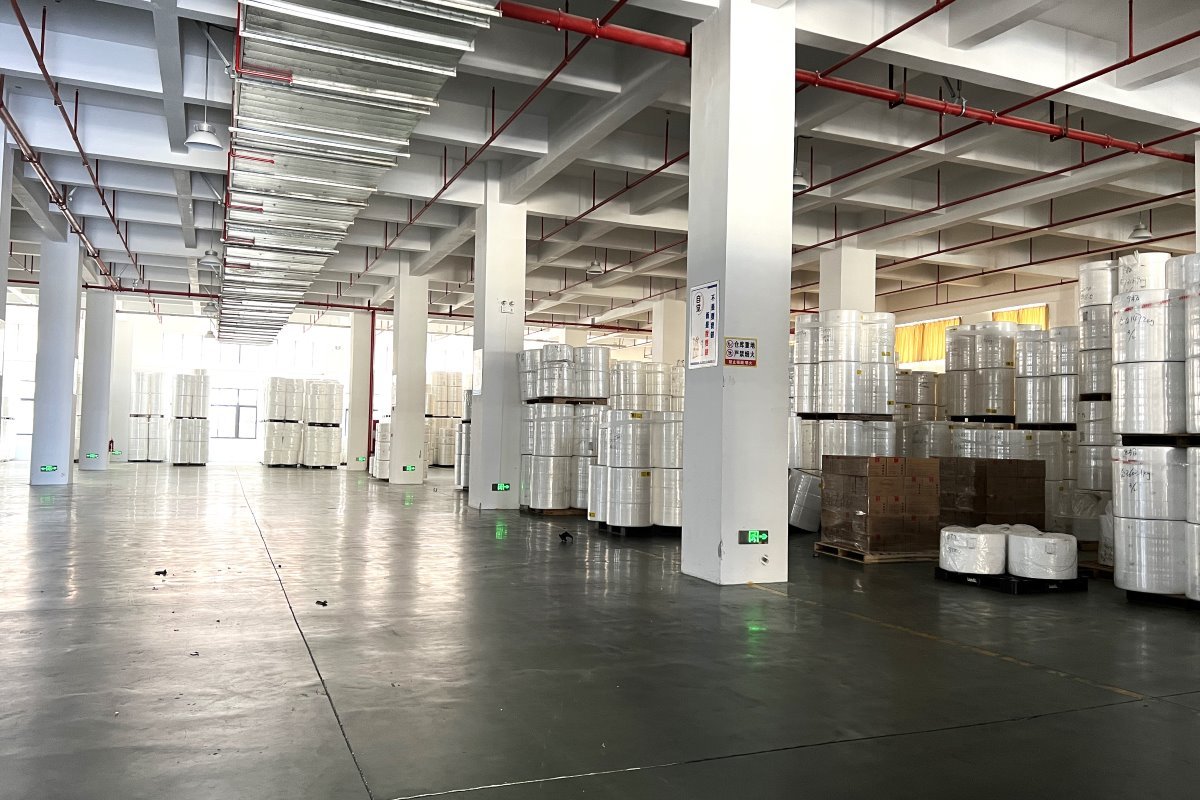
Um fabricante de pensos higiénicos depende fortemente de um abastecimento estável de matérias-primas.
Os principais materiais incluem:
- SAP
- Tecido não tecido
- Película de revestimento posterior em PE
- Papel antiaderente
- Adesivos
- Materiais de embalagem
As perturbações na cadeia de abastecimento podem provocar atrasos nas remessas e uma qualidade instável.
As fábricas OEM profissionais costumam manter relações de longo prazo com os fornecedores e sistemas de planeamento de stock para reduzir os riscos durante as épocas de maior movimento.
5. Eficiência na comunicação
Um dos problemas com que muitos importadores se deparam ao procurar fornecedores no estrangeiro é a falta de comunicação.
Atrasos na confirmação do material gráfico, nas revisões da embalagem ou nas atualizações relativas à produção podem causar problemas dispendiosos.
Os fabricantes de confiança costumam fornecer:
- Limpar detalhes do orçamento
- Resposta rápida sobre a amostra
- Prazos de produção organizados
- Apoio às vendas ágil
- Atualizações transparentes das encomendas
Uma comunicação eficiente é especialmente importante em projetos de marcas próprias, nos quais os detalhes relativos à embalagem e à imagem de marca têm de ser geridos com cuidado.
Tendências que influenciam o mercado de pensos higiénicos de marca própria
Os compradores B2B devem também estar atentos às mudanças nas tendências do mercado ao desenvolverem novas linhas de produtos.
Materiais mais suaves e adequados para a pele
Os consumidores estão a dar cada vez mais importância ao conforto e à respirabilidade. As camadas exteriores de toque suave e os materiais delicados estão a tornar-se cada vez mais importantes.
Embalagens Premium
Espera-se que os produtos modernos de higiene íntima feminina tenham um aspeto mais limpo e profissional nas prateleiras e nas lojas online.
Embalagens múltiplas e embalagens económicas
Os retalhistas em muitas regiões procuram formatos de embalagem que conciliem preços acessíveis e comodidade.
Expansão das vendas do comércio eletrónico
Os canais de vendas online estão a influenciar o design das embalagens, a resistência das embalagens durante o transporte e a apresentação dos produtos.
Maior ênfase na transparência dos produtos
Os consumidores procuram, cada vez mais, informações mais claras sobre os materiais dos produtos e a qualidade do fabrico.
Estas tendências criam oportunidades para as marcas próprias que colaboram com fabricantes capazes de se adaptar às mudanças do mercado.
Erros comuns que os compradores devem evitar
Escolher apenas com base no preço
Preços extremamente baixos podem, por vezes, indicar compromissos em termos de materiais, consistência da produção ou qualidade do serviço.
O sucesso empresarial a longo prazo depende, normalmente, de um equilíbrio entre:
- Qualidade do produto
- Entrega fiável
- Comunicação
- Preços competitivos
- Reputação da marca
Ignorar os detalhes da embalagem
Uma embalagem de má qualidade pode prejudicar uma marca, mesmo que o próprio produto tenha um bom desempenho.
Antes do início da produção, os compradores devem verificar cuidadosamente:
- Ficheiros de design
- Precisão linguística
- Localização do código de barras
- Informações sobre a embalagem
- Quantidades por embalagem
Subestimar os prazos de entrega
O planeamento da produção assume especial importância durante as épocas de maior movimento.
Planear com antecedência ajuda a evitar:
- Atrasos nas entregas
- Escassez de stock
- Custos de frete mais elevados
- Oportunidades de vendas perdidas
Por que razão as parcerias de longo prazo com os fabricantes de equipamento original (OEM) são importantes
As marcas próprias de produtos de higiene que têm mais sucesso costumam trabalhar com parceiros de fabrico estáveis ao longo de muitos anos.
A cooperação a longo prazo permite:
- Melhor planeamento da produção
- Preços mais estáveis
- Encomendas repetidas mais rápidas
- Maior consistência do produto
- Desenvolvimento mais fácil de novos produtos
Um fabricante que compreenda o seu posicionamento no mercado também poderá dar-lhe melhores recomendações à medida que o seu negócio cresce.
Na New EcoCare, acreditamos que a cooperação com os fabricantes de equipamento original (OEM) deve ir além do simples processamento de encomendas. O nosso objetivo é apoiar os clientes através de uma produção estável, uma comunicação ágil e soluções práticas de marca própria, com vista ao desenvolvimento comercial a longo prazo.
Respostas rápidas para compradores
O que é um fabricante de pensos higiénicos de marca própria?
Um fabricante de pensos higiénicos de marca própria produz produtos de higiene feminina que podem ser personalizados com a marca, a embalagem e as especificações do produto do próprio cliente.
O que oferece um fabricante de pensos higiénicos em regime de OEM?
Um fabricante OEM de pensos higiénicos oferece, normalmente, serviços de fabrico de produtos, personalização de embalagens, apoio à marca própria, controlo de qualidade e serviços de exportação para distribuidores e proprietários de marcas.
O que devem os compradores verificar antes de escolherem um fornecedor de pensos higiénicos?
Os compradores devem avaliar a experiência em fabrico, os sistemas de controlo de qualidade, a capacidade de personalização, a capacidade de produção, a eficiência na comunicação e a estabilidade da cadeia de abastecimento.
Por que razão as marcas optam por pensos higiénicos de marca própria?
Os produtos de marca própria ajudam as empresas a melhorar o reconhecimento da marca, a aumentar as margens de lucro, a controlar os preços e a fidelizar os clientes a longo prazo.
Os pensos higiénicos podem ser personalizados para diferentes mercados?
Sim. Os fabricantes OEM podem personalizar a absorção, o tamanho, a embalagem, os materiais e a imagem de marca de acordo com as preferências dos mercados regionais e os requisitos dos clientes.
Considerações finais
O mercado dos produtos de higiene feminina continua a criar oportunidades para importadores, grossistas, retalhistas e marcas próprias emergentes. No entanto, o sucesso neste setor depende em grande medida da escolha do parceiro de fabrico certo.
Um fabricante profissional de pensos higiénicos de marca própria deve oferecer mais do que apenas capacidade de produção. Deve garantir a estabilidade da qualidade, a personalização, o desenvolvimento de embalagens, a eficiência na comunicação e a fiabilidade do abastecimento a longo prazo.
Para as empresas que pretendem criar marcas sustentáveis de produtos de higiene feminina, a escolha de um fabricante OEM experiente de pensos higiénicos pode tornar-se uma importante vantagem competitiva, tanto no retalho tradicional como nos mercados online em rápido crescimento.
À medida que os compradores globais continuam a procurar fabricantes OEM de produtos de higiene de confiança através do Google e de plataformas de pesquisa baseadas em IA, as empresas que combinam qualidade dos produtos, serviço profissional e personalização flexível continuarão a destacar-se no mercado.

 Portuguese
  English
  Spanish
  Russian
  Arabic
  German
  French
  Italian
  Greek
Greek