

Оглавление
Введение: Переход к новым формам конкуренции, выходящим за рамки ценовой конкуренции
На протяжении многих лет развивающиеся рынки ассоциировались с потребителями, чувствительными к цене, и стратегиями, ориентированными на недорогую продукцию. В таких категориях, как детские подгузники, товары для ухода за взрослыми и предметы гигиены — преобладающий подход был прост: предлагать максимально низкую цену для увеличения объема продаж.
Эта точка зрения меняется.
В странах Юго-Восточной Азии и Африки всё больше потребителей выходят за рамки базовой функциональности. Они активно стремятся к большему комфорту, более безопасным материалам и более надёжной работе. Эта тенденция, которую часто называют “премиализацией”, открывает новые возможности для брендов и дистрибьюторов.
Для покупателей в сегменте B2B, импортеров и владельцев частных торговых марок эта тенденция открывает возможности для реализации продукции с более высокой рентабельностью и укрепления позиций бренда. Однако для достижения успеха недостаточно просто повысить цены. Необходимо найти подходящего партнера-производителя (OEM), разработать правильную стратегию в отношении продукции и хорошо понимать рынок.
В компании New EcoCare мы стали непосредственными свидетелями этого перехода в рамках наших глобальных проектов по производству подгузников по заказу (OEM). В этой статье рассматривается, что на самом деле означает «премиализация» на развивающихся рынках — и как превратить её в прибыльный и масштабируемый бизнес.
Что означает термин “премиализация” на развивающихся рынках?
«Премиализация» не означает роскошь в традиционном смысле. В Юго-Восточной Азии и Африке этот термин, как правило, означает постепенное повышение качества продукции, приносящее потребителям заметные и ощутимые преимущества.
В секторе средств гигиены к ним относятся:
- Более мягкие верхние слои для большего комфорта кожи
- Повышенная впитывающая способность для защиты на всю ночь
- Улучшенная защита от протечек и конструкция, обеспечивающая плотное прилегание
- Дышащие задние слои для уменьшения раздражения
- Более безопасные и безвредные для кожи материалы
Потребители не всегда ищут самый дорогой товар на полке. Напротив, они готовы заплатить немного больше за продукты, которые решают реальные проблемы—особенно для ухода за младенцами, пожилыми людьми и личной гигиены.
Это открывает явную возможность для Производство подгузников под собственной торговой маркой среднего и высокого ценового сегмента, где дифференциация продукции может оправдать более высокую рентабельность.
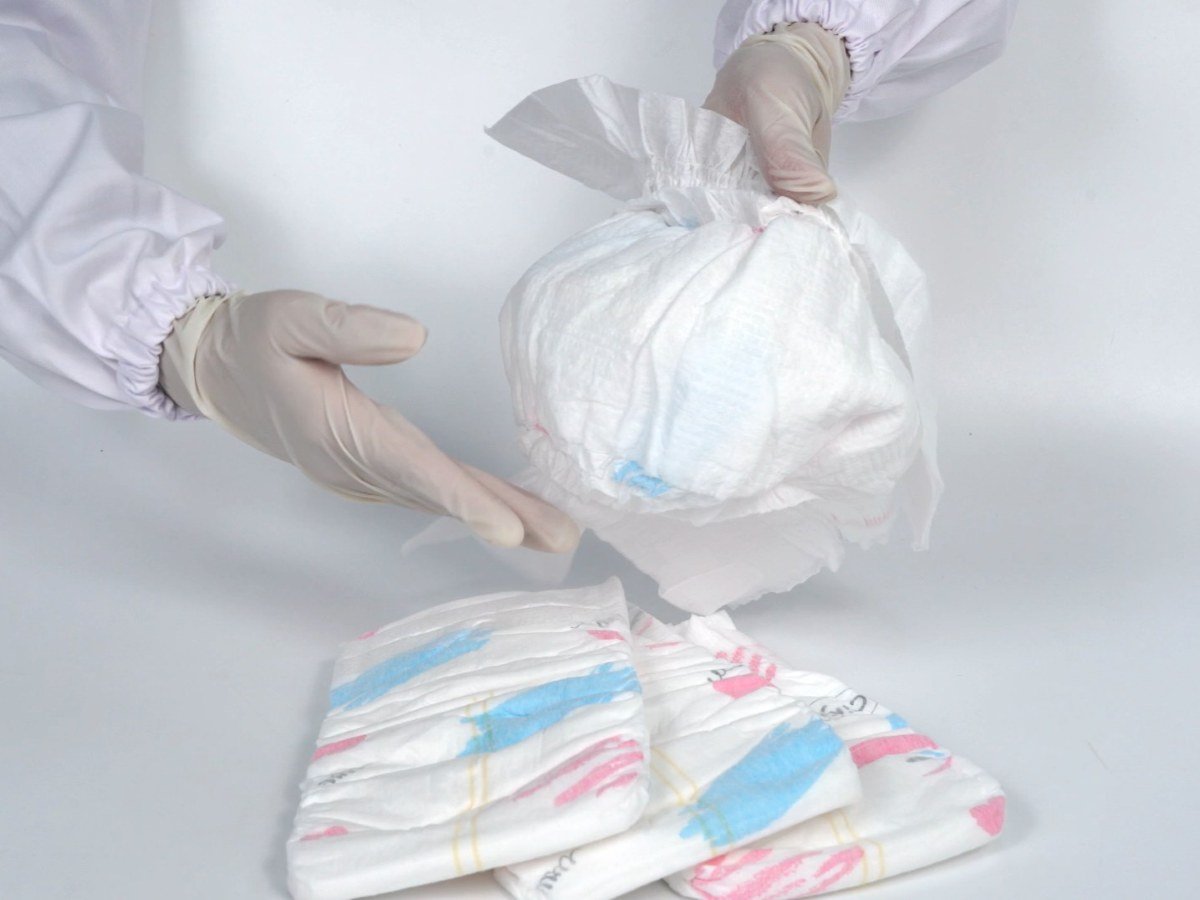
Основные факторы, способствующие премиализации
1. Рост потребления среднего класса
Урбанизация и рост доходов приводят к неуклонному увеличению покупательной способности в странах Юго-Восточной Азии и некоторых регионах Африки. По мере того как домохозяйства переходят в сегмент со средним уровнем дохода, меняются их приоритеты в расходах.
В частности, родители с большей готовностью готовы тратиться на подгузники более высокого качества, если это означает меньше протеканий, лучший сон и меньше проблем с кожей.
2. Повышение осведомлённости о продукте
Доступ к цифровым платформам кардинально изменил поведение потребителей. Теперь покупатели сравнивают:
- Показатели впитываемости
- Безопасность материалов
- Репутация бренда
- Отзывы пользователей
Такая прозрачность снижает зависимость исключительно от цены и повышает спрос на продукты, ориентированные на ценность.
3. Эволюция розничной торговли и дистрибуции
Современные каналы сбыта — такие как супермаркеты, аптеки и интернет-магазины — стремительно расширяются. Эти каналы естественным образом поддерживают многоуровневый ассортимент товаров, включая товары премиум-класса.
Для дистрибьюторов это означает появление более весомых аргументов в пользу внедрения гигиенические товары премиум-класса под собственной торговой маркой которые могут составить конкуренцию международным брендам.
Почему сегменты премиум-класса обеспечивают более высокую рентабельность для покупателей в сегменте B2B
Для импортеров и владельцев брендов конкуренция, основанная исключительно на низких ценах, становится всё менее жизнеспособной. Маржа невелика, конкуренция острая, а возможности дифференциации минимальны.
Премиализация меняет ситуацию.
Более высокая прибыль на единицу продукции
Даже небольшое улучшение технических характеристик продукта может значительно повысить его воспринимаемую ценность. Например:
- Добавление более мягкого верхнего слоя из нетканого материала
- Повышение емкости SAP (суперабсорбирующего полимера)
- Повышение эластичности пояса
Эти усовершенствования позволяют рост цен, опережающий рост затрат, что привело к увеличению рентабельности.
Снижение ценовых войн
Рынки низкого ценового сегмента зачастую развиваются за счет агрессивных ценовых стратегий. В отличие от этого, премиальные сегменты в большей степени опираются на:
- Позиционирование бренда
- Характеристики продукта
- Доверие потребителей
Это снижает прямую ценовую конкуренцию и способствует стабилизации рентабельности.
Укрепление ценности бренда
Собственные торговые марки, позиционируемые в среднем и премиальном сегментах, могут завоевать долгосрочную узнаваемость. Это особенно важно на развивающихся рынках, где лояльность к бренду пока находится на стадии становления.
Характеристики продукта, формирующие представление о его премиальности
При разработке продукции для OEM-производителей крайне важно понимать, что термин “премиум” означает для конечных пользователей.
Исходя из нашего опыта в сфере производства, можно сказать, что следующие характеристики неизменно определяют предпочтения потребителей:
1. Сверхмягкие материалы
Мягкость — одно из самых заметных на первый взгляд качеств. Бамбуковое волокно, нетканый материал, обработанный горячим воздухом, или усовершенствованные полиэтиленовые пленки могут значительно улучшить тактильные ощущения.
2. Сердечник с высокой впитывающей способностью
Хорошо продуманный впитывающий слой снижает риск протекания и повышает эффективность ночного использования. Это особенно ценят работающие родители и те, кто ухаживает за детьми.
3. Воздухопроницаемость
В жарком и влажном климате воздухопроницаемость имеет решающее значение. Изделия, которые предотвращают накопление тепла и влаги, воспринимаются как более комфортные и безопасные.
4. Лучшая посадка и гибкость
Эластичные резинки на талии, 3D-защита от протекания и эргономичный дизайн улучшают посадку и снижают вероятность непредвиденных ситуаций — ключевые факторы, влияющие на повторные покупки.
5. Безопасные для кожи и экологически чистые материалы
Такие заявления, как “протестировано дерматологами”, “не содержит агрессивных химических веществ” или “гипоаллергенно”, находят широкий отклик у современных потребителей.
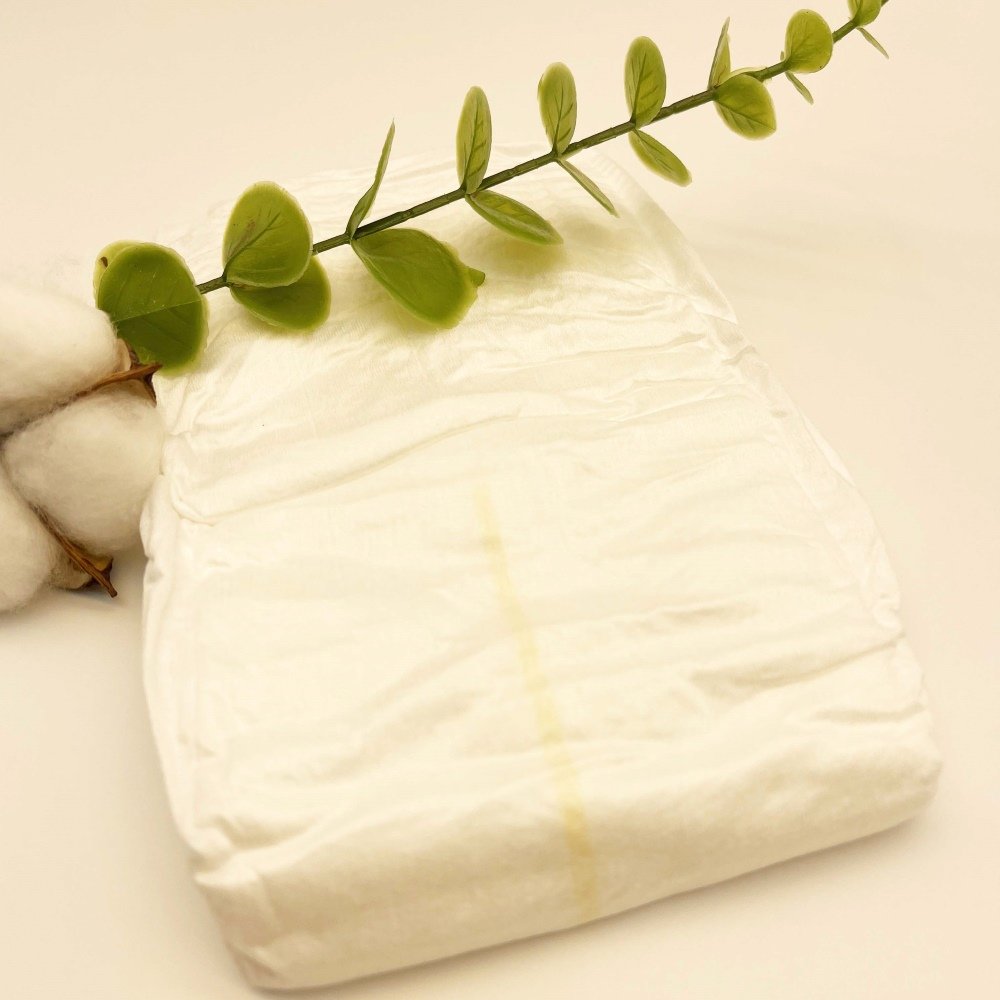
Стратегии выхода на рынок для покупателей товаров под собственной торговой маркой
Премиализация — это не только разработка продуктов, это еще и стратегическое позиционирование.
Начните с многоуровневой линейки продукции
Вместо того чтобы выпускать только один SKU, подумайте о следующем:
- Продукт начального уровня (по конкурентоспособной цене)
- Продукт среднего ценового сегмента (оптимальное соотношение цены и качества)
- Продукт премиум-класса (с широким набором функций и более высокой рентабельностью)
Это позволяет охватить различные сегменты потребителей и одновременно ориентировать клиентов на более дорогие варианты.
Сосредоточьтесь на четком донесении ценности
На развивающихся рынках потребители должны понимать, что почему такой продукт стоит дороже.
В упаковке и маркетинговых материалах следует четко подчеркнуть:
- Уровень впитываемости
- Функции для комфорта
- Преимущества с точки зрения безопасности
Старайтесь избегать чрезмерно технических формулировок — говорите проще и акцентируйте внимание на преимуществах.
Использование возможностей индивидуальной настройки от производителя
Сотрудничество с опытным производителем подгузников по заказу позволяет вам:
- Настроить технические характеристики товара
- Адаптировать материалы с учетом потребностей целевого рынка
- Разрабатывать уникальные дизайны упаковки
- Оптимизировать соотношение цены и качества
Такая гибкость имеет решающее значение для создания уникального бренда под собственной торговой маркой.
Роль производителей оригинального оборудования (OEM) в процессе премиализации
Не все производители располагают необходимыми ресурсами для разработки продукции премиум-класса.
При выборе партнера-производителя (OEM) покупатели в сегменте B2B должны учитывать следующие факторы:
Технические возможности
Может ли завод производить:
- Многослойные впитывающие сердечники?
- Вентилируемые задние слои?
- Высококачественные нетканые материалы?
Гибкость настройки
Надежный партнер-производитель оригинального оборудования должен предлагать:
- Варианты с низким минимальным объемом заказа для новых линеек продукции
- Гибкий подход к поиску поставщиков материалов
- Индивидуальные технические характеристики продукции
Системы контроля качества
Продукция премиум-класса требует стабильного качества. Обращайте внимание на производителей, которые:
- Устоявшиеся процедуры контроля качества
- Соблюдение международных стандартов
- Прозрачное управление производством
Опыт работы на экспортных рынках
Производители, хорошо знакомые с рынками Юго-Восточной Азии и Африки, понимают:
- Требования к продукции, связанные с климатом
- Предпочтения в отношении упаковки
- Требования регулирующих органов
В компании New EcoCare мы тесно сотрудничаем с международными партнерами над разработкой решений по производству подгузников по заказу (OEM), отвечающих этим меняющимся требованиям рынка.
Распространенные ошибки, которых следует избегать
Необоснованное завышение цен
Ценообразование в сегменте «премиум» должно подкрепляться очевидными преимуществами продукта. В противном случае потребители вернутся к более дешёвым альтернативам.
Игнорирование местных предпочтений
Особенности продукта, которые хорошо работают на одном рынке, не всегда можно напрямую перенести на другой. Ключевую роль играет локализация.
Недостаточные инвестиции в упаковку
На многих развивающихся рынках упаковка играет важную роль в формировании восприятия ценности товара. Неудачный дизайн может свести на нет даже высокое качество продукта.
Взгляд в будущее: потенциал долгосрочного роста
Тенденция к премиализации в Юго-Восточной Азии и Африке пока находится на ранней стадии. По мере роста уровня доходов и повышения осведомленности потребителей спрос на гигиенические товары более высокого качества будет только расти.
Для покупателей в сегменте B2B это представляет собой редкую возможность:
- Выходите на рынок на раннем этапе
- Повысить узнаваемость бренда
- Создать мощные дистрибьюторские сети
- Повышение рентабельности
Однако успех будет зависеть от выбора правильных партнеров и принятия обоснованных решений в отношении продукции.
Заключение: как превратить изменения на рынке в рост бизнеса
Переход к гигиеническим товарам премиум-класса на развивающихся рынках — это не краткосрочная тенденция, а структурное изменение в поведении потребителей.
Для импортеров, дистрибьюторов и брендов, выпускающих продукцию под собственной торговой маркой, возможность заключается в том, чтобы выйти за рамки ценовой конкуренции и сосредоточиться на создании добавленной стоимости.
Путем объединения:
- Продуманный дизайн продукта
- Стратегическое позиционирование на рынке
- Надежное производство по стандартам OEM
…в Юго-Восточной Азии и Африке можно построить устойчивый бизнес с высокой рентабельностью.
В компании New EcoCare мы помогаем партнерам по всему миру разрабатывать индивидуальные гигиенические средства, отвечающие меняющимся ожиданиям современных потребителей, что позволяет брендам уверенно развиваться на конкурентных рынках.

 Russian
  English
  Spanish
  Arabic
  German
  French
  Italian
  Portuguese
  Greek
Greek