
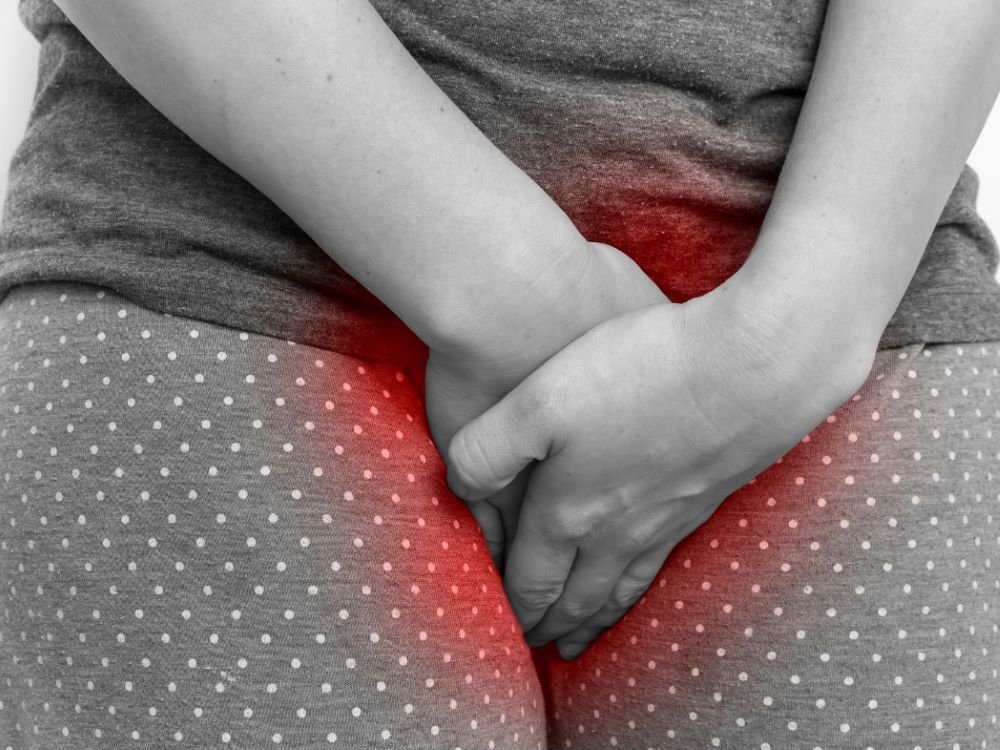
A diaper can have a highly absorbent core and still leak.
This is one of the most important points for buyers evaluating adult incontinence products. When leakage happens, it is tempting to assume that the product simply does not absorb enough liquid. But absorbency is only one part of the overall performance system.
Adult diaper leakage can happen when the product does not fit correctly, liquid is not distributed efficiently through the absorbent core, the leg cuffs cannot contain fluid, or the diaper shifts during movement. Even the waist area and the relationship between different product layers can affect how well the diaper protects against leakage.
For brands, distributors, wholesalers, importers, and procurement managers, understanding these factors makes it easier to evaluate adult diaper quality and communicate more effectively with an [производитель подгузников для взрослых].
Оглавление
1. Why Adult Diaper Leakage Happens
Leakage occurs when liquid reaches an area of the diaper where it cannot be absorbed or contained quickly enough.
The important point is that a diaper does not work as a single absorbent material. It is a layered product. The topsheet, acquisition and distribution layers, absorbent core, leak-control barriers, backsheet, elastics, and fastening system all work together.
A useful way to think about leak protection is:
Fit + Fluid Management + Core Performance + Barriers + Movement Stability
If one of these elements is not working properly, leakage can occur even when the core itself has strong absorption capacity.
For example, a diaper may absorb a large amount of liquid in a laboratory test, but if the liquid remains concentrated in one area, it may reach the edge of the product before the core can distribute it. Similarly, a well-designed core cannot fully compensate for a poor fit or a leg cuff that does not maintain contact with the body.
This is why buyers should evaluate the complete product structure rather than focusing on one specification.

2. The Most Common Causes of Leakage
Several factors can contribute to adult incontinence leakage.
Poor Size Selection
A diaper that is too small may not provide enough coverage around the waist and legs. A diaper that is too large may leave gaps, particularly around the leg openings.
Size should therefore be evaluated using actual body measurements and the intended wearing position, not simply by choosing the largest available size.
Poor Fit or Product Shifting
Even if the initial fit is acceptable, the diaper may move when the wearer walks, sits, bends, or changes sleeping position.
Movement can create gaps between the product and the body, increasing the risk of side leakage.
Uneven Liquid Distribution
Liquid needs to move through the product and reach available absorbent areas. If fluid remains concentrated around the initial wetting point, local saturation can happen faster.
Insufficient Leakage Barriers
Leg cuffs and side barriers help prevent liquid from escaping laterally. If their height, elasticity, positioning, or construction is not appropriate for the product design, protection may be reduced.
Waist Area Problems
The waist needs to stay securely positioned without creating excessive pressure. Poor elasticity or an unsuitable waist construction can allow the diaper to shift or create gaps.
Structural Imbalance
A diaper is a system of multiple components. If the core, distribution layer, topsheet, cuffs, elastics, and backsheet are not properly matched, the overall performance can suffer.
3. How Fit Affects Leak Protection
Adult diaper fit is one of the first things buyers should investigate when leakage appears.
A good fit should provide sufficient coverage while keeping the product close enough to the body to maintain the intended protective barriers.
The key areas include:
- Waist circumference
- Hip coverage
- Leg opening
- Crotch width
- Overall diaper length
- Elastic tension
- Fastener positioning for taped products
Для pull-up products, the waistband and leg elastics need to accommodate body movement while helping the product remain in position.
For taped diapers, fastening flexibility becomes especially important. The tabs should allow the caregiver to adjust the product without creating large gaps or excessive tightness.
This is also why size charts should be treated as an important product-development tool. A size range that looks good on paper may still need adjustment after fit testing with representative body shapes.
When developing [OEM adult diapers], buyers should ask whether the manufacturer can adjust dimensions and elastic characteristics during sample development.
4. The Role of the Absorbent Core
The absorbent core is central to fluid retention, but its performance depends on more than the amount of absorbent material used.
Core design can involve factors such as:
- Core dimensions
- Distribution of absorbent materials
- SAP and fluff pulp configuration
- Плотность сердечника
- Толщина
- Acquisition and distribution structure
- Liquid-holding capacity
- Integration with surrounding layers
A well-designed core should not only absorb liquid but also help manage where that liquid goes.
For example, if the core absorbs rapidly but liquid cannot move effectively across the available absorbent area, one section may become overloaded while other areas remain underused.
This is why buyers should look at core design and fluid distribution together.
It is also important not to treat absorbency specifications as isolated numbers. Real-world performance depends on how the absorbent system interacts with fit, product dimensions, and the user’s movement and usage pattern.
For more background on evaluating absorbency requirements without relying on capacity alone, see [why more absorbency isn’t always better when choosing adult diapers].
5. Liquid Distribution and Rewet
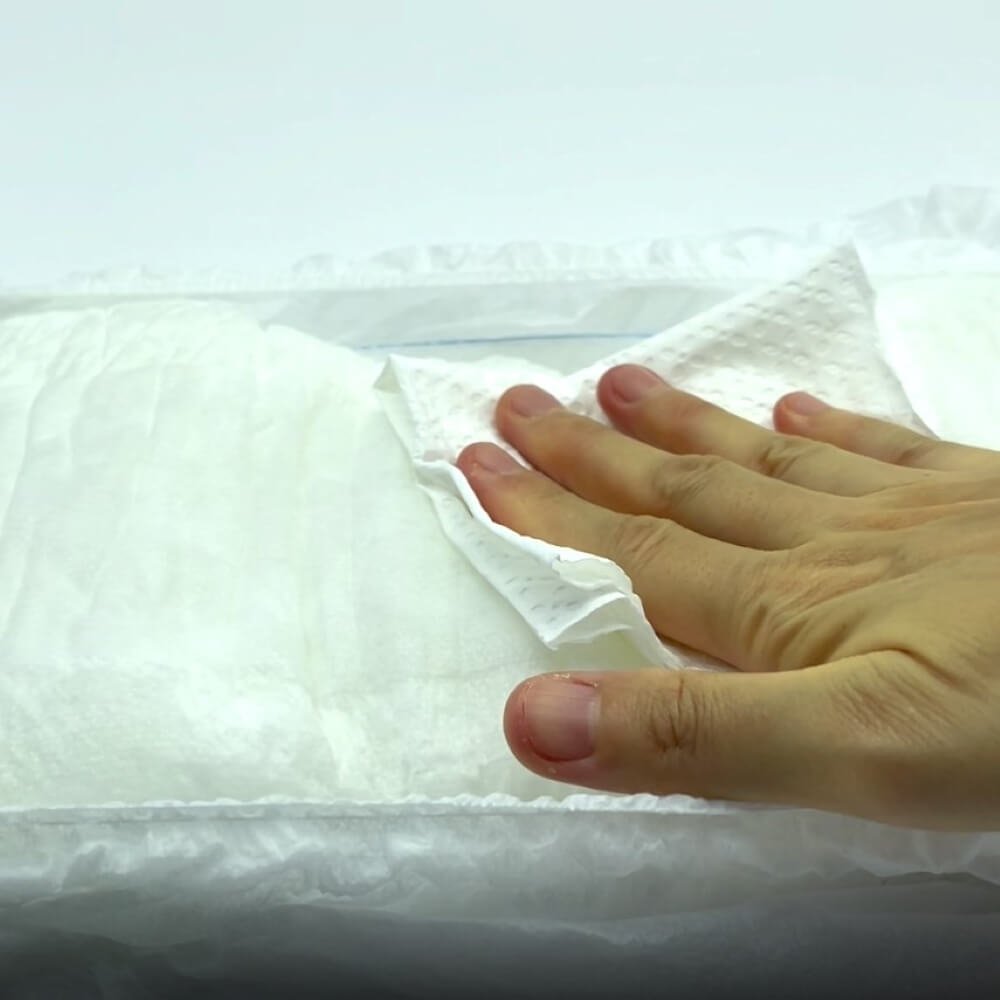
After liquid enters the diaper, it needs to move away from the initial wetting area and into the absorbent structure.
The distribution process can influence both leakage and perceived dryness.
A simplified fluid-management sequence is:
Liquid Intake → Acquisition → Distribution → Absorption → Retention
If liquid cannot move efficiently from the acquisition area into the wider absorbent core, localized saturation may occur.
Rewet is another consideration. After liquid has been absorbed, pressure from sitting, walking, or sleeping can potentially push some moisture back toward the topsheet.
For product buyers, this means leakage evaluation should not be limited to asking, “How much liquid can the diaper absorb?”
More useful questions include:
- How quickly does the product acquire liquid?
- How effectively is liquid distributed?
- Does the core maintain its structure after wetting?
- How does the product behave under pressure?
- Is rewet controlled effectively?
- Does performance change after repeated wetting?
These questions help buyers assess adult diaper leak protection as a complete performance characteristic.
6. Leg Cuffs and Barrier Protection
Leg cuffs are one of the most visible parts of the leakage-control system.
Their job is to help create a barrier around the leg and reduce the chance of liquid escaping through the sides.
Several design factors matter:
Cuff Height
The barrier needs enough coverage to perform its intended function without making the product uncomfortable.
Elasticity
Elastic materials help the cuff maintain contact with the body. However, elasticity needs to be balanced. Too little tension may create gaps, while excessive tension can affect comfort.
Positioning
The location of the cuff relative to the absorbent core and leg opening can influence how effectively it contains liquid.
Interaction With Fit
Even a good cuff cannot fully compensate for an incorrectly sized diaper. If the product shifts significantly during movement, the barrier may no longer sit where it was designed to.
For this reason, cuff performance should be evaluated together with actual fit and movement testing.
7. Waist Fit and Product Structure
The waist area is another potential leakage point, particularly when the diaper does not stay in the intended position.
For pull-up pants, the waistband needs to provide stable support while allowing the wearer to move naturally.
Для клеенчатые подгузники, the fastening system provides additional adjustment. This can be particularly useful when the product is changed by a caregiver and the fit needs to be adapted to different body shapes.
The overall product structure also matters.
A typical adult diaper may contain several functional layers, including:
Topsheet → Acquisition/Distribution Layer → Absorbent Core → Leak-Control Components → Backsheet
The exact construction can vary according to the product design.
The important issue for buyers is whether these layers have been engineered as a complete system.
A change to one component can influence another. For example, changing the core thickness may affect product flexibility, while changing elastic placement may affect fit and the available space around the absorbent area.
This is where experienced product development becomes valuable.
8. Daytime vs. Overnight Leakage Considerations
Leakage risks can change depending on how and when the product is used.
During daytime use, the wearer may walk, sit, stand, bend, or change position frequently. Product stability and fit therefore become particularly important.
Overnight use introduces a different set of challenges. The wearer may remain in the same position for a longer period, and liquid may be introduced gradually over several hours.
For overnight products, buyers may need to pay closer attention to:
- Extended wearing time
- Core distribution
- Liquid retention
- Rewet control
- Waist stability
- Leg barrier performance
- Product coverage
This does not mean that one product should automatically be considered better than another. Instead, product specifications should match the intended usage scenario.
When comparing product formats, [adult pull-up diapers vs. taped diapers] can help buyers understand how the two constructions differ in fit, fastening, and intended use.
9. How OEM Manufacturers Investigate Leakage Problems
When a buyer reports leakage, a professional manufacturer should not immediately respond by simply increasing absorbent material.
Leakage investigation should begin by identifying where, when, and how the leakage occurs.
A manufacturer may review:
1. Leakage Location
Is the leakage occurring at the front, back, sides, legs, or waist?
The location can provide an important clue about the underlying issue.
2. Usage Conditions
Was the product used during walking, sitting, sleeping, or another activity?
Movement patterns can help identify whether shifting or fit is contributing to the problem.
3. Size and Body Fit
Was the recommended size used? Does the product fit the intended body range?
4. Product Structure
The manufacturer can review the core dimensions, distribution layer, barrier structure, elastics, and other components.
5. Production Consistency
The manufacturer should also determine whether the issue is related to production variation rather than the approved product design.
This is where [quality control] becomes important.
Quality management should cover not only finished-product inspection but also key production characteristics such as dimensions, material positioning, core structure, elastic application, sealing, and other specifications.
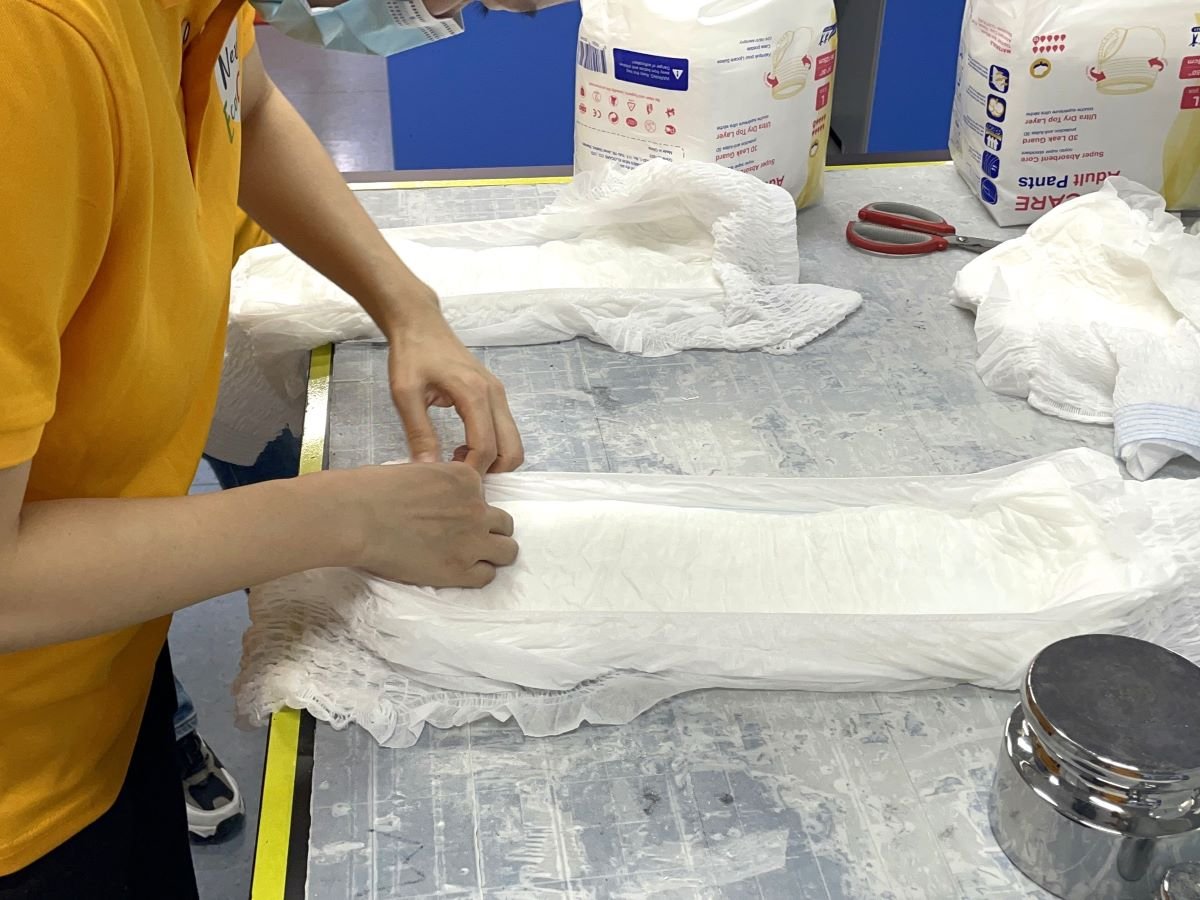
For an OEM project, leakage should ideally be investigated through a combination of sample evaluation, performance testing, fit assessment, and production quality control.
10. Questions Buyers Should Ask Their Supplier
When discussing leakage performance with an производитель подгузников для взрослых, buyers can ask specific technical questions rather than simply requesting “better leak protection.”
Here are useful questions to include in supplier discussions:
“Where is the leakage occurring?”
Ask the manufacturer to identify whether the problem is related to the core, leg area, waist, or product fit.
“How was the product fit evaluated?”
Ask whether the sample was assessed across the intended size range and body measurements.
“How is the absorbent core structured?”
Request information about the general core construction, absorbent material distribution, dimensions, and how the structure supports fluid management.
“How are the leg cuffs designed?”
Discuss cuff height, elasticity, positioning, and how the barrier works with the overall product structure.
“How do you evaluate liquid distribution and rewet?”
This can provide more useful information than a capacity figure alone.
“Can the product structure be adjusted?”
For an OEM project, ask whether dimensions, core construction, elastic characteristics, or other components can be adjusted during product development.
“How do you investigate leakage complaints?”
A reliable supplier should have a systematic process for identifying the cause rather than treating every complaint as an absorbency problem.
“How do you control production consistency?”
Ask how raw materials, product dimensions, core positioning, elastics, sealing, and finished products are inspected during manufacturing.
A Better Way to Evaluate Adult Diaper Leakage
When evaluating средства от недержания для взрослых, it is easy to focus on one specification and assume it tells the whole story.
But reliable leak protection is the result of multiple elements working together.
Подходит keeps the product correctly positioned.
Абсорбирующий слой captures and retains liquid.
Распределение жидкости helps move fluid through the available absorbent structure.
Leg cuffs and barriers help contain liquid around the edges.
The waist structure helps maintain a stable fit.
The overall product structure determines how these components work together.
And finally, user movement and size selection determine how the product performs in real-world use.
For B2B buyers, this broader view is useful when comparing samples and discussing specifications with an OEM supplier. Instead of asking only for higher absorbency, ask how the complete product has been designed and tested for the intended usage conditions.
If you are developing or sourcing a new adult incontinence line, you can also explore [adult incontinence products] to review the main product formats and performance considerations, or learn more about [изготовление подгузников для взрослых на заказ] when your project requires adjustments to size, structure, materials, or performance specifications.
Final Takeaway
Adult diaper leakage is rarely caused by one factor alone.
A product may have strong absorbent capacity but still experience leakage because of poor fit, uneven fluid distribution, inadequate barriers, unsuitable sizing, product shifting, or an imbalance between different structural components.
For buyers, the best approach is to evaluate the whole leakage-control system.
Before approving an OEM adult diaper sample, look beyond the absorbency number. Check the fit, core structure, liquid distribution, rewet, leg cuffs, waist stability, and performance during movement.
The right supplier should be able to explain not only how much liquid the product can absorb, but also how the product is designed to keep that liquid contained where it belongs.
That is a much stronger basis for evaluating adult diaper quality and developing a product that performs consistently in real-world use.

 Russian
  English
  Spanish
  Arabic
  German
  French
  Italian
  Portuguese
  Greek
Greek