When you contact a hygiene product manufacturer for a quotation, how much information should you provide?
A product name and estimated order quantity may be enough to start a conversation, but they are rarely enough for an accurate OEM quotation. The manufacturer also needs to understand your product specifications, material preferences, packaging requirements, target market, and quality expectations.
A well-prepared private label hygiene product RFQ (Request for Quotation) helps both sides understand the project before discussing pricing, samples, and production schedules. It also reduces the risk of unexpected costs or specification changes later.
At New EcoCare, we work with brand owners, importers, distributors, and procurement teams developing private label hygiene products. Our experience has shown that clear communication at the beginning makes product development and order coordination much easier.
So, what should you include in an RFQ? Here are the key details to prepare before contacting an OEM hygiene product manufacturer.
Оглавление
1. What Is an RFQ for Private Label Hygiene Products?
An RFQ is a document or structured inquiry that tells a manufacturer what you want to purchase and the conditions under which you want it produced.
For private label hygiene products, an RFQ usually covers three main areas:
Product requirements: What you want the manufacturer to make, including size, materials, performance, and design.
Commercial requirements: Your expected order quantity, packaging format, target delivery schedule, and shipping terms.
Quality requirements: The standards, tests, documentation, and approval procedures the finished product must meet.
An RFQ is different from a general inquiry such as “Please quote your baby diapers.” The latter identifies a product category, while the former provides enough detail for the manufacturer to assess the actual project.
It is also useful to understand the manufacturing model you need. If you already have a product concept and want a factory to manufacture it under your brand, OEM may be appropriate. If you need more support in developing the product concept, ODM may be worth discussing.
For more details, see OEM vs ODM: What’s Best for Your Hygiene Brand in 2026?.
2. Start with Clear Product Information
The first section of your hygiene product RFQ should identify the product you want to develop.
At a minimum, include:
Product category and product type
Intended users and main applications
Target sales market or country
Brand name, if already established
Existing product reference or sample, if available
Whether you need an existing product adapted or a more customized design
Be as specific as possible. For example, “adult diapers” could refer to tape-style adult diapers or pull-up incontinence pants. These products have different structures, sizing systems, and packaging requirements.
Likewise, a request for baby diapers should identify whether you need taped diapers or training pants, the target size range, and the product positioning you have in mind.
If you are still comparing options, you do not need to finalize every detail before making contact. Explain what you know, identify what remains undecided, and ask the manufacturer which options are feasible.
New EcoCare product references:
These product pages can help you identify the relevant product category before preparing your inquiry.
3. Define Size and Product Specifications
Product specifications are among the most important parts of an OEM product specification sheet. They help the manufacturer understand exactly what needs to be produced.
Depending on the product, include the following information.
For baby and adult diapers:
Product type and size range
Product dimensions, where specified
Core structure or preferred construction
Waistband, fastening, and leakage-guard requirements
Wetness indicator, if required
Target absorbency or performance expectations
Other design features that matter to your brand
For disposable underpads:
Length and width
Absorbent area
Top-sheet and back-sheet preferences
Основная конструкция
Intended use, such as bed protection or general surface protection
For wet wipes:
Sheet dimensions
Fabric type and basis weight (GSM)
Number of sheets per pack
Fold type
Lotion or formula requirements
Pack format and opening design
If you have an existing product, provide its technical specification, a physical sample, or clear photographs with measurements. These references help the manufacturer understand your expectations more accurately.
However, a reference product does not automatically mean every detail can be reproduced exactly. The manufacturer still needs to assess material availability, equipment compatibility, and production feasibility.
4. Explain Material and Absorbency Requirements
Material selection affects product performance, production feasibility, and cost. Therefore, your RFQ should explain both what you require and what you are willing to consider.
For diapers, relevant details may include the absorbent core structure, top sheet, back sheet, acquisition layer, elastic components, and leakage barriers. If absorbency is important, describe the expected use conditions and performance target rather than relying on vague terms such as “high absorbency.”
For example, a product intended for overnight use may need different performance priorities from one designed for short periods of daytime use. Adult incontinence products may also require different specifications depending on the intended user and level of incontinence.
For more background, read Baby Diaper Materials Explained: What Brand Owners Should Know Before Choosing a Product.
For wet wipes, specify the fabric composition, GSM, lotion ingredients or formula brief, fragrance preference, and any ingredient restrictions. If you have a fixed formula, provide the ingredient list with percentages where available. If you only have a concept, explain the intended use and desired characteristics, such as fragrance-free, sensitive-skin positioning, or a particular lotion profile.
Do not assume that a material description alone defines the finished product. Two products using similar materials can still perform differently because of their construction, material weights, and manufacturing parameters.
If you have strict requirements, state them clearly. If you are open to alternatives, ask the manufacturer to propose options and explain the trade-offs in performance, cost, and feasibility.
5. Provide the Wet Wipes Formula Requirements
For wet wipes, formula details deserve particular attention because they affect product development, testing, and the suitability of the finished product for its intended market.
Your RFQ should state whether you have an existing formula or need the manufacturer to help develop one.
Include the following where applicable:
Intended use, such as baby care, personal care, or adult care
Preferred ingredients and any restricted ingredients
Fragrance-free or other fragrance requirements
Desired pH range
Lotion loading or moisture expectations, if specified
Ingredient documentation requirements
Relevant stability, microbiological, or compatibility testing expectations
If you are working with a contract formulator or already have a validated formula, provide the technical documentation available. If you do not have a finalized formula, a clear product brief is a useful starting point.
Avoid requesting a particular ingredient combination without considering the complete formula, preservation system, packaging compatibility, and intended market requirements. The suitability of a wet wipes formula needs to be assessed as a whole.
You should also distinguish between mandatory requirements and preferences. For example, “must be fragrance-free” is a firm specification, while “preferably include a plant-derived ingredient” may leave room for discussion.
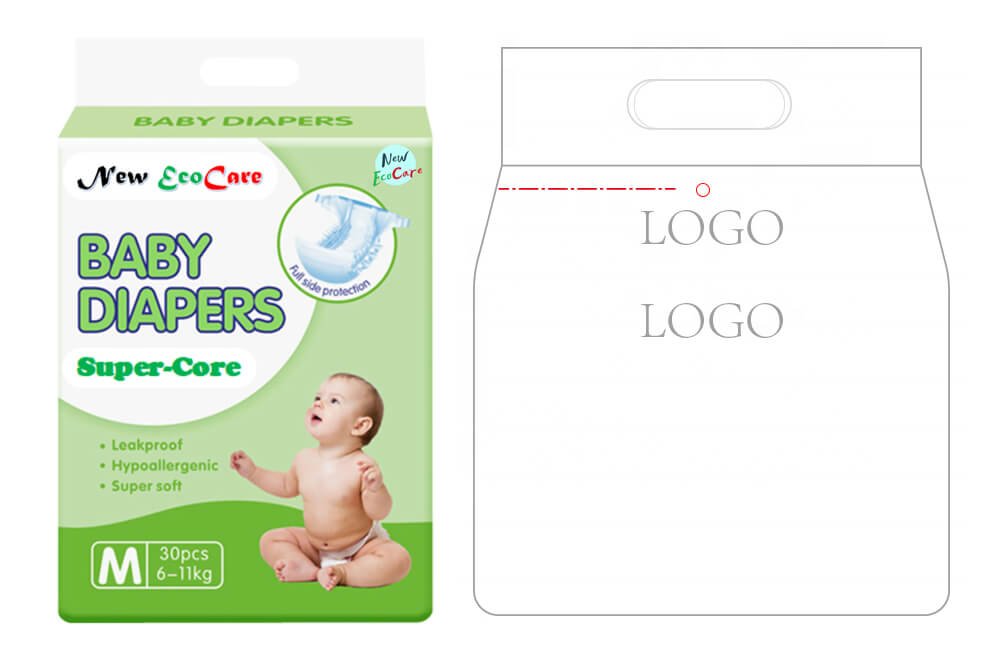
6. Explain Packaging and Artwork Requirements
Private label packaging is more than the outer appearance of a product. It affects pack configuration, production planning, labeling, and shipping efficiency.
Your RFQ should cover:
Packaging format and material preferences
Number of pieces or sheets per retail pack
Bag, pouch, carton, or other packaging requirements
Brand logo and artwork availability
Required languages and market-specific labeling
Barcode, product codes, and other required printed information
Carton configuration, if already specified
If you have finished artwork, attach the files and identify the version. If you have only a logo or initial design concept, explain what is available and what support you need.
For artwork that is still under development, make clear that the design is not yet final. This helps prevent preliminary layouts from being treated as approved production files.
Also clarify which party is responsible for artwork preparation, printing approval, and final packaging confirmation.
New EcoCare supports packaging design as part of its OEM project workflow. You can learn more about product development and customization through our Customization service.
7. State Your Order Quantity, MOQ Expectations, and Shipping Requirements
A quotation is only meaningful when the manufacturer understands the expected order quantity and commercial scope.
Include:
Estimated quantity for the first order
Quantity by size, variant, or formula
Expected annual demand, if known
Whether you anticipate repeat orders
Preferred order schedule
Destination country or port
Requested Incoterm, if known
Any special carton or container-loading requirements
Avoid giving only a total quantity if your order includes several sizes or product variants. A breakdown helps the manufacturer assess material requirements, production planning, and the feasibility of the order structure.
It is also important to distinguish between an initial trial order and an ongoing supply program. Your first order may be smaller than your expected repeat orders, but the manufacturer needs to understand both when assessing the project.
Ask the manufacturer to confirm its MOQ for each relevant product, size, formula, or packaging configuration. Do not assume that one MOQ applies to every product type or that different formulas can automatically be combined into one order.
For shipping, provide the destination and preferred Incoterm where possible. If you are not sure which term is appropriate, state your destination and ask the supplier to quote the available options. This makes it easier to compare offers on a consistent basis.
8. Identify Testing, Compliance, and Quality Requirements
Requirements vary by product type and destination market. Your RFQ should identify the standards and documentation that matter to your business before the quotation and sampling stages progress too far.
Consider specifying:
Applicable product standards or regulatory requirements
Required test reports or certificates
Chemical, microbiological, or performance testing, where relevant
Packaging and labeling requirements
Quality inspection criteria
Required documents for importation or customer approval
Be specific about whether a document is mandatory for market access, required by your retailer, or simply preferred for supplier evaluation.
For example, a buyer selling through a major retail chain may have additional supplier specifications beyond general legal requirements. A healthcare procurement project may also have defined product performance and documentation requirements.
If you are unsure which requirements apply, identify the destination market and intended use, then ask the manufacturer what documentation it can provide. Confirm regulatory obligations with the relevant authorities or qualified compliance specialists rather than assuming that one certificate covers every market or product.
Quality expectations should also be measurable wherever possible. Instead of writing “good quality,” define the product characteristics that need to be checked, the applicable tolerances, and the inspection or testing method where agreed.
The same principle applies to repeat orders. An approved sample and written specifications provide a clearer reference for checking consistency between production batches.
For additional reading, see Reducing Production Variance: Best Practices for OEM Partners.
9. Clarify Sample Requirements and the Approval Process
Samples help both parties assess whether a proposed product meets the agreed requirements before mass production.
Your RFQ should explain what you expect to evaluate and whether you have a deadline for sample review.
Useful details include:
Whether you can provide a reference sample
The number of samples required, if known
Which specifications must be checked
Whether packaging samples or artwork proofs are needed
Who will review and approve the samples
Any target date for approval or production
If you are requesting a new or modified product, ask the manufacturer to clarify which details can be confirmed through sampling and which may require additional testing.
Keep a record of the approved sample, final specifications, packaging artwork, and any agreed changes. If a sample is revised, identify the new version clearly so that both sides know which one is approved.
This step matters because a sample approval should not depend on memory or informal messages alone. Written confirmation creates a shared reference for production.
For a closer look at the process, read What Happens During OEM Product Sampling? A Guide for Hygiene Product Buyers.

10. A Simple RFQ Checklist for Brand Owners
Before sending your inquiry, use this checklist to confirm that you have included the most important information.
| RFQ section | Information to prepare |
|---|---|
| Product overview | Product type, target user, market, and intended application |
| Технические характеристики | Size, dimensions, structure, features, and performance expectations |
| Materials or formula | Preferred materials, ingredient requirements, and restrictions |
| Упаковка | Pack configuration, artwork, labeling, and carton details |
| Order quantity | Initial quantity, size breakdown, and expected repeat demand |
| Commercial terms | Destination, requested Incoterm, and target delivery schedule |
| Quality and compliance | Applicable standards, testing, documents, and inspection criteria |
| Образцы | Reference sample, evaluation requirements, and approval process |
| Open questions | Items that need the manufacturer’s recommendation or confirmation |
You do not need to have every technical detail finalized before contacting New EcoCare. The goal is to separate confirmed requirements from open questions so that we can understand your priorities and advise on the next steps.
If you are comparing multiple manufacturers, send each supplier the same core specifications and quantity assumptions. This makes quotations easier to compare and helps you identify whether price differences come from product construction, packaging, order quantity, or commercial terms.
Final Thoughts: A Better RFQ Starts a Better OEM Project
A detailed RFQ does not need to be complicated. It needs to be clear enough for the manufacturer to understand your product, evaluate feasibility, and identify what still needs discussion.
For private label hygiene brands, the most useful RFQs combine product specifications with realistic quantity expectations, packaging information, quality requirements, and a clear sample approval process.
At New EcoCare, we work with B2B customers developing private label hygiene products, from product selection and customization to sample coordination and production planning. If you are preparing a new project, share the information you already have and identify the details you would like our team to help evaluate.
Ready to discuss your project? Contact Новый EcoCare with your product category, target specifications, estimated order quantity, and destination market. Our team can review your requirements and discuss the next steps for your OEM project.

 Russian
 English
 Spanish
 Arabic
 German
 French
 Italian
 Portuguese
 Greek